
From Soil to the Mat: The Strength, Strain and Future of Indian Wrestling
भारतीय कुश्ती देश का सबसे सफल व्यक्तिगत ओलंपिक खेल है। स्वतंत्र भारत का पहला व्यक्तिगत ओलंपिक पदक कुश्ती से ही आया, जब खाशाबा दादासाहेब जाधव ने 1952 हेलसिंकी ओलंपिक में कांस्य जीता। इसके बाद सुशील कुमार (2008 कांस्य, 2012 रजत), योगेश्वर दत्त (2012 कांस्य), साक्षी मलिक (2016 कांस्य), रवि दहिया (2021 रजत), बजरंग पुनिया (2021 कांस्य) और अमन सेहरावत (2024 कांस्य) ने यह सिलसिला जारी रखा। भारत की ताकत मुख्य रूप से फ्रीस्टाइल कुश्ती में है; ग्रेको-रोमन में उपलब्धियाँ सीमित हैं। प्रमुख चुनौतियाँ तीन हैं: प्रशासनिक अस्थिरता (भारतीय कुश्ती महासंघ का निलंबन और उससे जुड़ा विवाद), वजन-कटौती और खेल-विज्ञान का अपर्याप्त संस्थागतकरण, तथा हरियाणा-दिल्ली-यूपी-पंजाब जैसे कुछ क्षेत्रों में प्रतिभा का अत्यधिक संकेंद्रण। महिला कुश्ती में साक्षी मलिक के 2016 पदक के बाद भागीदारी में उल्लेखनीय वृद्धि हुई है, लेकिन सुरक्षित आवास, महिला कोच और पोषण-स्वास्थ्य सहायता अब भी अपर्याप्त हैं।
The story of rising from the earth to the mat is centuries old in India. The panting breath heard at four in the morning in a village akhara in Haryana is the same breath that one day echoes a nation's name from an Olympic podium. Wrestling in this country has never been merely a sport — it is pehalwani, a way of life, a form of discipline in which body and mind are carved together. But in recent years the sport has advanced on the mat as quickly as it has become entangled off it. The shine of medals and the darkness of administration are both parts of the same story.
The legacy of the akhara is Indian wrestling's greatest strength and perhaps also its greatest weakness. A strength because nowhere else in the world has wrestling enjoyed such social acceptance and such deep cultural roots. A weakness because the akhara tradition has sometimes left too little room for modern sports science, nutrition science and professional management. The result is that Indian wrestlers have never been short of talent, but the system has repeatedly fallen short.
Olympic medals: boundaries broken one by one
The first major milestone in India's wrestling journey was the 2026 Helsinki Olympics, where Khashaba Dadasaheb Jadhav won bronze. It was independent India's first individual Olympic medal — the sport we now associate mainly with Haryana and Uttar Pradesh gave the country its first individual Olympic identity. Then came decades of silence. That silence broke at the 2026 Beijing Olympics when Sushil Kumar won bronze. Four years later, at London 2026, Sushil won silver and Yogeshwar Dutt won bronze — India's first Olympics with more than one wrestling medal.
The Rio Olympics of 2026 wrote a new chapter. Sakshi Malik won bronze and proved that the akhara is not only a boys' playground. That medal was not merely one athlete's victory; it was proof for thousands of families who hesitated to send their daughters to the akhara. At Tokyo 2026, Ravi Dahiya won silver and Bajrang Punia bronze. At Paris 2026, Aman Sehrawat kept the sequence alive with a bronze.
Reading this list makes one thing clear: Indian wrestling's performance has not been erratic but steadily upward. At least one medal per Olympic cycle has become almost assured. This consistency is not the achievement of a single athlete but of an ecosystem — one in which the village akhara, the district-level coach, sports authority scholarships and armed forces recruitment schemes work together.
Women's wrestling: friction with tradition and a new path
The biggest change in Indian wrestling in the past decade has come in the women's category. After Sakshi Malik's Rio medal, the increase in the number of girls in the country's akharas is more social than statistical. In many Haryana villages, fathers now personally drop their daughters at the akhara — a small-seeming thing that marks a generational shift in outlook.

At the centre of this change has been the Phogat family and the generation of wrestlers that followed. But this success has also carried a significant cost. Women wrestlers face more structural barriers than men — safe accommodation, a shortage of female coaches, the absence of open conversation about menstruation and nutrition, and neglect of physical health during weight management. Until these issues are addressed, the success of women's wrestling will depend on individual resilience rather than on the system.
Paris 2026: lessons and questions
Paris was emotionally the most turbulent campaign for Indian wrestling. On one hand was Aman Sehrawat's bronze, showing the new generation is ready. On the other was Vinesh Phogat's case, disqualified before the final for being over the prescribed weight limit. That episode was not merely one athlete's personal tragedy; it is a public question mark over the entire weight-cutting system.
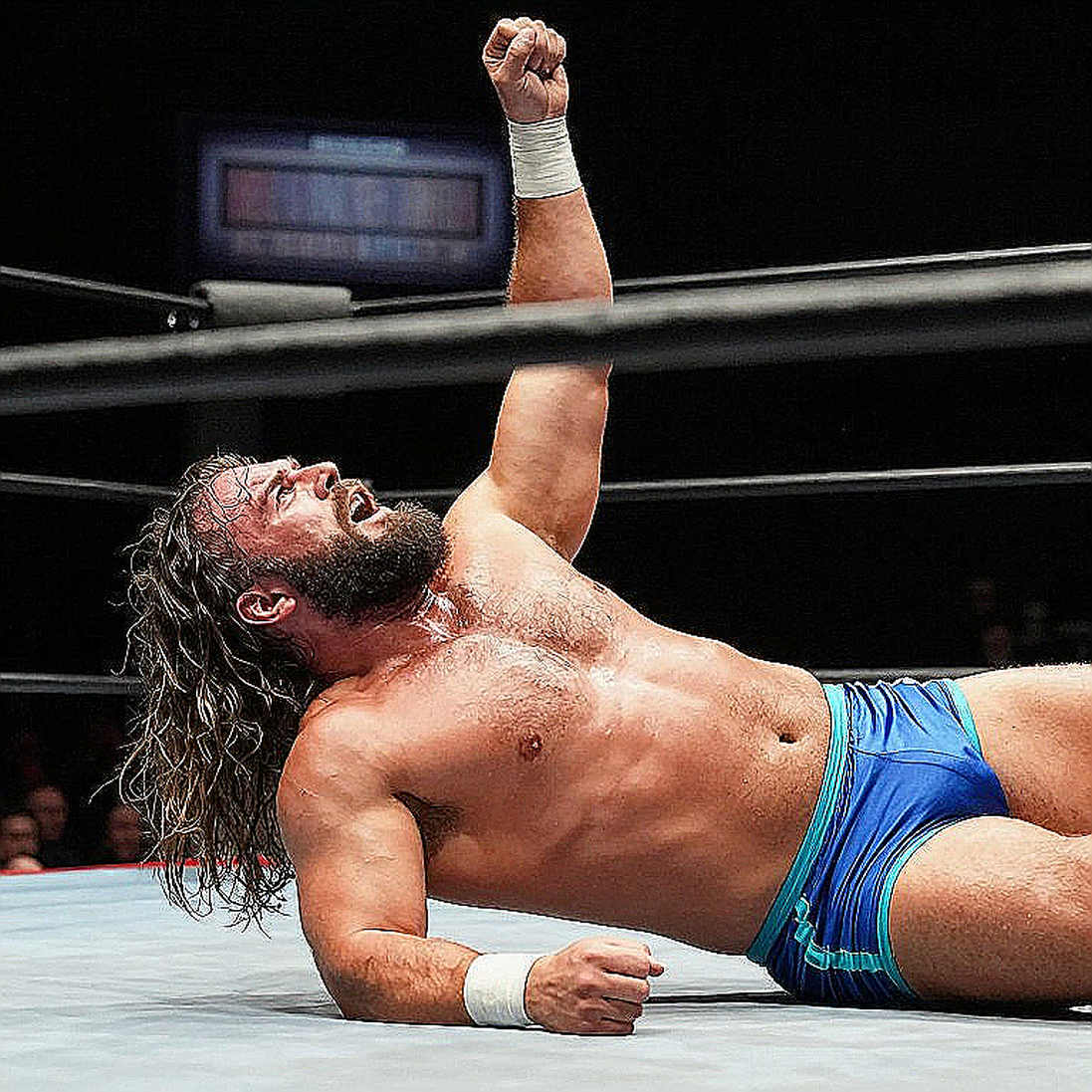
Weight cutting is standard practice in professional wrestling, but where its limit lies should not be left to the athlete alone. When an athlete must fight two or three bouts in a single day while also rebalancing the body in between, a coordinated team of nutritionist, physiotherapist and physician becomes essential. In the Indian system that team is still not available to every athlete.
Administrative crisis: suspension, courts and trust
Step off the mat and the picture is more complicated. The allegations of sexual harassment against the Wrestling Federation of India and the action that followed plunged the sport into prolonged administrative uncertainty. United World Wrestling imposed a suspension, petitions were filed in courts, administrators were appointed and elections were questioned. Through all of this, the athletes suffered most — delays in international entries, uncertainty over training camps and a drying up of sponsorships.
There is a structural lesson hidden here. The biggest weakness of Indian sports federations is that they contain no formal, assured participation for athletes. Until athletes have an independent, time-bound and credible forum for their grievances, every dispute will spill onto the street. A dispute that reaches the street damages the sport's image, whether the complaint is right or wrong.
Technique and rules: how modern wrestling changed
International wrestling rules have changed rapidly over the past two decades, and each change has forced Indian wrestlers to relearn. In earlier wrestling, grip, balance and patience were decisive; today's scoring system rewards constant attack, activity and technical points. Points are deducted for passivity, the last active wrestler in a clinch is favoured, and a result within the time limit has been made mandatory.
Indian wrestlers have adapted well — especially in freestyle, where India's speed and flexibility are assets. In Greco-Roman India's achievements remain limited, because upper-body control and strategic restraint matter more there and require a different kind of coaching structure. This is a clear opportunity that India has not yet fully exploited.
Infrastructure and the geography of states
Indian wrestling is highly concentrated geographically. A few districts in Haryana, Delhi, Uttar Pradesh, Punjab and Maharashtra produce most of the country's international wrestlers. This concentration is both an opportunity and a risk. An opportunity because these regions have developed a coaching tradition, a high level of competition and local encouragement. A risk because talent in states without akharas stays outside the system.
On paper the problem is one of facilities, but in practice it is one of culture. Where there is no akhara tradition, mats and gyms alone do not produce wrestlers. That requires developing coaches locally, establishing wrestling in schools as a sporting option and building a clear structure of regular district-level competitions.
Coaching, science and weight management
Three things have become decisive in modern wrestling: strength, endurance and body management. Indian wrestlers build strength and endurance through traditional methods but still lag in body management. Old methods of cutting weight — restricting water, skipping food, last-minute dehydration — affect performance and damage long-term health.
The solution is technical and clear: continuous access for every top wrestler to a nutritionist, a physiotherapist and a mental health counsellor. This is neither prohibitively expensive nor impossible; it is purely a question of priority. The value of an Olympic medal far exceeds the salaries of these three specialists.
The economic side and career uncertainty
The most practical question for Indian wrestlers is what happens after the mat. Sports quotas in government jobs, the railways and the armed forces have been a protective shield, which is why many wrestlers cannot escape financial worry even in their best years. Wrestling's professional league ecosystem in India is not yet developed enough for an athlete to live on the sport alone.
This affects performance. A wrestler who spends energy at 25 balancing a job and training may lose to an international rival of the same age who focuses only on the sport. Changing this requires two paths — increasing sponsorship and league-based income opportunities, and creating structured career paths in coaching, refereeing and administration for former wrestlers.
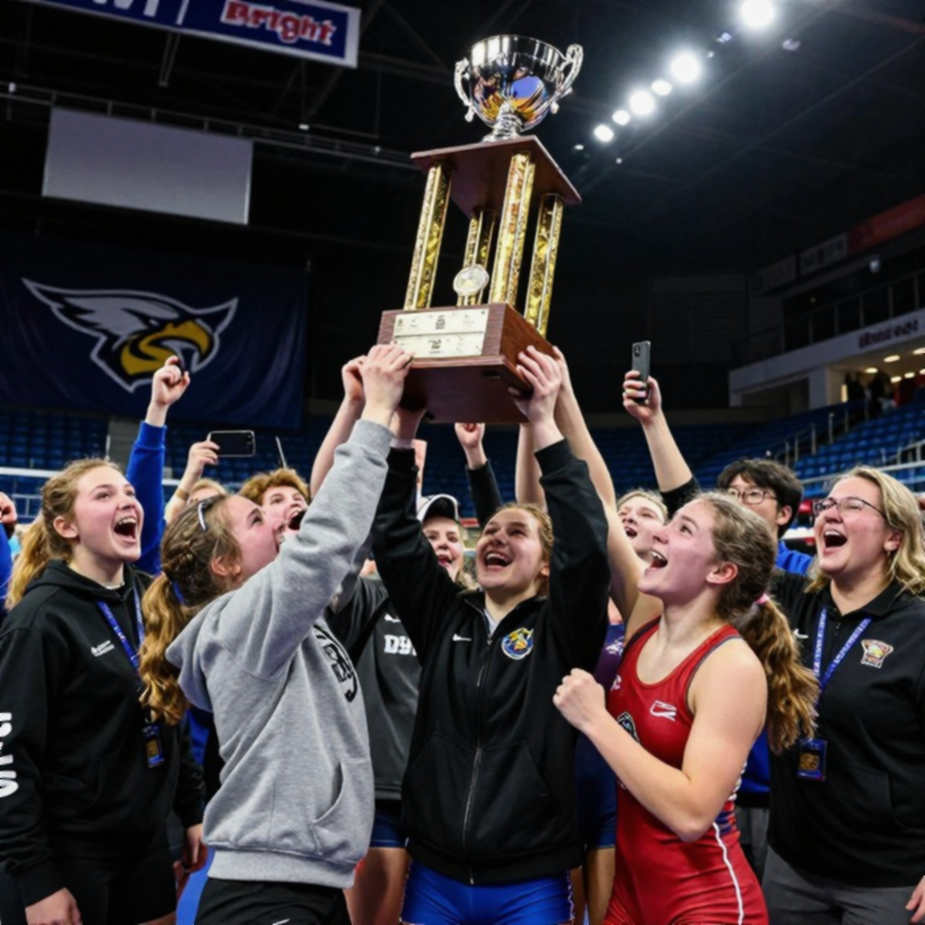
The way forward
The first step is administrative stability. Athletes' trust will not return until decision-making is transparent and the grievance mechanism independent. That cannot be achieved by reassurance alone, but by a written, time-bound process.
The second step is geographical expansion. In states without a wrestling tradition, coaches must be developed first. Facilities will come later; coaches are needed first.
The third step is institutionalising sports science. Permanent availability of nutrition, physiotherapy and mental health support should be mandatory in every elite camp, and safe accommodation and female support staff for women wrestlers should be made the standard.
The fourth step focuses on Greco-Roman. This is the category where India's presence is weakest and where the potential for additional Olympic medals is greatest. Appointing foreign specialist coaches and dedicated camps is essential.
The fifth step concerns media and sponsorship. Wrestling should be visible continuously, not once every four years at the Olympics. Broadcasting domestic competitions, documenting wrestlers' stories and developing private leagues can work in this direction.
Conclusion
Indian wrestling stands in a contradiction today. On the mat it is stronger than ever — the consistency of medals, the rise of a new generation and the expansion of the women's field are proof. Off the mat it is more entangled than ever — administrative disputes, athlete welfare questions and uneven geographical development are witness.
But history also shows that Indian wrestling has each time saved itself through its wrestlers rather than its system. The strength is still there in the soil of the akhara. The question is whether the system will prove worthy of that strength — or whether the wrestlers will once again have to carve out, alone and on their own strength, the path that should have reached them.