
20th Trinity–Thomian Hockey Encounter: The Tactical Meaning of a School Rivalry on Colombo’s Astro Turf
मुख्य उत्तर: 20वाँ ट्रिनिटी–थॉमियन हॉकी मुकाबला कोलंबो के एस्ट्रो हॉकी टर्फ पर आयोजित हुआ। उपलब्ध आयोजन-विवरण इसे कौशल, रोमांच और स्कूल-गौरव की भिड़ंत बताता है, लेकिन स्कोर या खिलाड़ियों के नाम नहीं देता। मुख्य तथ्य: - मुकाबला: 20वाँ ट्रिनिटी–थॉमियन हॉकी मुकाबला। - स्थान: एस्ट्रो हॉकी टर्फ, कोलंबो। - आयोजन-विवरण में कौशल, रोमांच और स्कूल-गौरव का उल्लेख है। - उपलब्ध स्रोत में तारीख, स्कोर, गोलकर्ता और विस्तृत मैच घटनाक्रम नहीं हैं। स्रोत: उपयोगकर्ता द्वारा दिया गया आयोजन-विवरण; प्रकाशन तारीख उपलब्ध नहीं। संबंधित प्रश्नोत्तर: प्रश्न: मुकाबला कहाँ हुआ? उत्तर: कोलंबो के एस्ट्रो हॉकी टर्फ पर। प्रश्न: मैच का स्कोर क्या था? उत्तर: उपलब्ध आयोजन-विवरण में स्कोर नहीं दिया गया है। प्रश्न: किन खिलाड़ियों ने गोल किए? उत्तर: उपलब्ध जानकारी में खिलाड़ियों या गोलकर्ताओं के नाम नहीं हैं।
The most striking detail about the 20th Trinity–Thomian Hockey Encounter at Colombo’s Astro Hockey Turf is that the available description gives no score or account of a goal. The event notice calls it a contest of skill, excitement and school pride, but records no result, scorers, quarter-by-quarter sequence or decisive moment. It would be easy to fill that gap with an invented late goal, a penalty-corner save under pressure or the story of a rising star. That route is convenient for sports writing, but it is not reliable.
So the first conclusion in this report is an editorial one: the importance of the event is clear, while the verified match detail is limited. That does not diminish the encounter. It directs attention instead to what school hockey can reveal at its best: the practice of skill within a rivalry, the struggle for space on the pitch and the way institutional identity can become sporting behaviour. But a specific tactical claim requires match footage, statistics or an official result.
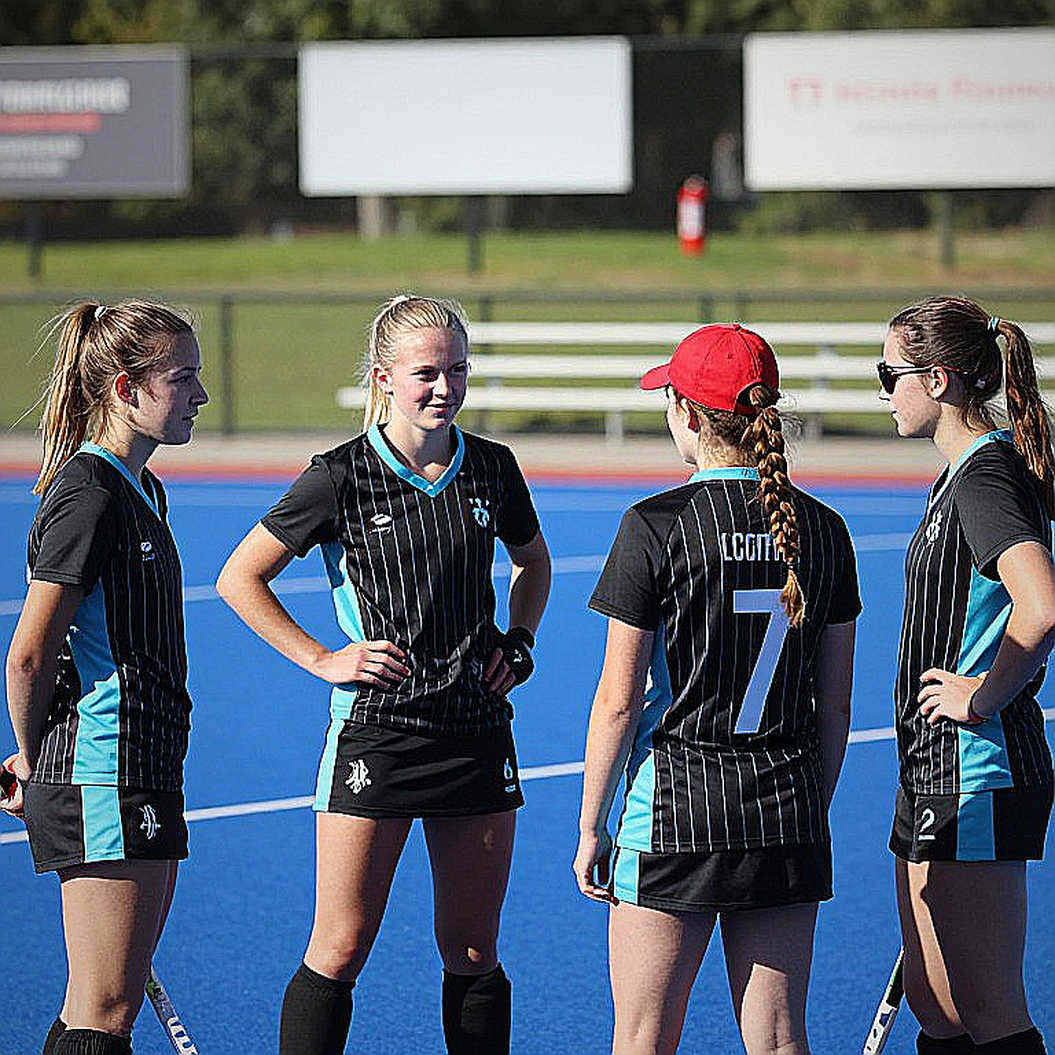
The event in context: beyond the names
The 20th edition of the Trinity–Thomian Hockey Encounter took place at Colombo’s Astro Hockey Turf. The available event description identifies it as a contest between two schools and highlights skill, excitement and school pride. That establishes it as a distinct school-level sporting event rather than an ordinary practice session. The description, however, does not include the date, team line-ups, players’ ages, format or official score. Those details should not be presented as fact without a record to support them.
The Astro Turf setting matters. The speed and movement of the ball on an artificial surface differ from those on grass or an uneven natural pitch. Quick passing, controlled receiving and the ability to move the ball into the next zone can shape the rhythm of a game. This is general hockey knowledge, not an account of a specific moment in this encounter. The distinction matters: we can explain what strategies a surface may favour, but only footage or a match report can establish what Trinity or Thomian actually did.
A school rivalry can carry several meanings. Players represent their schools, share responsibilities with teammates and often compete in an environment where both results and performances remain in memory. Still, “school pride” is not a licence to make unsupported claims about how players felt. On the pitch, it should be examined through observable details: which side maintained passing options under pressure, which side closed space after losing the ball, and which side reached the second ball first after a penalty corner.
How to read the match: structure before score
A scoreline is essential, but it is not a complete explanation. The difference between two hockey teams is shaped not only by goals but also by where the ball stays, how often attacks reach the circle and how quickly the opposition faces pressure after a turnover. No such figures are available for this encounter. It is therefore impossible to say whether one team controlled possession, relied on counter-attacks or created a decisive advantage from penalty corners.
A tactical conclusion requires visual evidence first. It sounds like a simple rule, but it is often the one that school-sport coverage breaks. An event description cannot tell us the pace of play, the sequence of goals or a particular player’s influence. If a full match video is available, analysis can begin with the ball entering midfield: did a team advance along the flank, build a passing triangle through the centre or use a long ball to relieve pressure? Then we can examine how the attack entered the circle and how many supporting options were available to turn that entry into a shot.
One useful observation would be what each team did during the first three or four seconds after losing possession. Did the nearest player pressure the ball carrier? Did teammates close passing lanes? Did the back line protect the space behind or force the opposing forward wide? These questions make no claim about this particular match; they describe how its footage should be examined. An attack should likewise not be reduced to its final shot. Sometimes the decisive action is the pass that draws the defence to one side and opens space on the other.
The matrix may say one thing; the video may say another. If a team records more circle entries, its attack may look effective on paper. The video can show whether those entries came from the flanks, had a clear target or merely carried the ball into the final third before it was returned in a safe pass. No such data is available here, so a numerical comparison would have to be invented. The phrase is a reminder of method: statistics indicate direction; video supplies context. When they appear to disagree, the analyst should investigate the difference, not erase it.
Midfield organisation would also matter. If the distances between players grow too wide, the ball carrier can be isolated; if they become too compact, one opposition press can close several options at once. Passing quality depends on where the next player stands before receiving the ball and the direction in which that player is facing. This is especially worth watching on a fast surface, where a late option can become useless as the ball moves quickly. Even so, saying that either team faced these problems would require match footage or a direct report.
Penalty-corner analysis cannot stop at the number of goals scored. Injection accuracy, the stability of the stop, the shot option and the response to the second ball are distinct stages. A successful routine can end with a drag-flick, a direct hit or a pass that creates a new angle. For the defence, the first save is not the whole story: it matters where the rebound lands and whether the defending team clears it or allows another attempt. The event material gives no account of penalty corners or goals in this match, so crediting a particular player or routine would be unjustified.
The goalkeeper should also be assessed through decisions rather than the result alone. Did the goalkeeper divide the area with the defenders? Did the goalkeeper narrow the shooting angle? Was the ball directed to a safe area after a save? The number of goals conceded alone cannot determine a goalkeeper’s quality. The available match material provides no names or save statistics, so here too questions must take the place of conclusions.
School hockey’s development: results and learning
Reaching a 20th edition points to continuity, though the edition number alone does not tell us the format used in each year, how often either team won or how each school prepared. Those questions require the organisers’ records. A recurring school fixture can nevertheless give players a competitive context: rather than being tested only in practice, they can make decisions against a recognised opponent.
In years of watching hockey, I have learned that young players’ performances often make more sense when we look at the options available to them, rather than judging individual skill alone. A route forward should be visible when the ball arrives; the passer needs to trust that the next teammate will hold position; and after a turnover, the team must know who presses and who provides cover. Those signs can say a great deal about a school side’s preparation. But they must be observed in the game itself, not inferred from a promotional line.
There is a structural question here as well. School hockey depends on more than the availability of talented players. Regular training, qualified coaches, match opportunities, suitable pitches and recovery from injury all matter. Looking at club and academy structures in countries such as the Netherlands and Belgium can provide useful comparisons, but no single model should be imposed on every country and school. Sri Lankan school systems, resources and local competition cycles have their own context. The event description contains no information about those resources, so judging either school’s preparation would be premature.
A school rivalry can give players experience of making decisions under pressure. But pressure cannot be measured simply by the event’s name or the presence of an audience. It emerges from match situations: the score is level, time is short, the ball is in the defensive zone or a penalty corner must be defended. With a minute-by-minute account, we could examine whether a team kept its shape in those moments or whether every player was drawn towards the ball. Any conclusion should be based on decisions and team structure, not claims about courage or mentality.
Where promotion ends, reporting begins
“Thrilling action” is common promotional language. It may signal the event’s energy, but it is no substitute for evidence. What produced the excitement—a fast counter-attack, an equaliser, a shoot-out or a last-minute defensive stand—is not recorded in the available information. It would be wrong to show the reader a scene that has not been documented. Good reporting sometimes states clearly where the available facts end.
The examination beyond the scoreboard cannot begin until we have a scoreboard. We have the edition, venue and the identities of the two schools; we do not have a score, goal sequence, team list, official statements or a verified account from match footage. That is the line between fact and inference. If organisers later publish a full scorecard, it can be added to the report. If video becomes available, each attack can be analysed by zone, passing direction and response after possession is lost. Until then, naming a winner or a player of the match would be unsupported.
On-the-ground reporting and video analysis also provide different kinds of evidence. A reporter at the venue can observe pace, weather, pitch condition and substitutions from the bench. A video analyst can replay a sequence to examine which option a player saw before passing or where the first line of a press broke. The two perspectives together produce a stronger account. A short promotional description alone cannot support a specific claim about the atmosphere or a coach’s plan.
This is not a collapse by the players; it is a limit in the available evidence. When a match account is missing, the analyst’s job is not to fill its empty spaces but to identify the questions still awaiting answers. That caution may make the piece less dramatic, but it keeps the sporting record honest. That honesty lets future readers, players and coaches reach genuine lessons.
The right questions after the match
A detailed review of this 20th encounter first requires the official score and the times of the goals. A team list, substitutions, cards and penalty-corner record would come next. If video is available, circle entries, shots and rebounds can be counted separately. A possession percentage alone would not be enough: where possession took place and what chance it produced are more meaningful.
A simple video-coding framework could also help school coaching. For every attack, record the starting zone, the method of advancement, the route into the circle and the final attempt. After a turnover, note who applied the first pressure and who provided cover. For penalty corners, record injection, stop, shot and rebound as separate entries. This kind of basic tracking does not require a large data department; a trained analyst or coach can maintain it regularly.

There is, of course, a risk of drawing large conclusions from a small sample. One match cannot prove a team’s enduring style. If a side uses a long ball to build one attack, that does not establish its entire strategy. A trend becomes more convincing only when similar situations recur across several matches. Likewise, a successful penalty-corner routine does not show that it was effective throughout the season. For school teams, the purpose of data should be to produce useful questions for practice, not to reduce players to numbers.
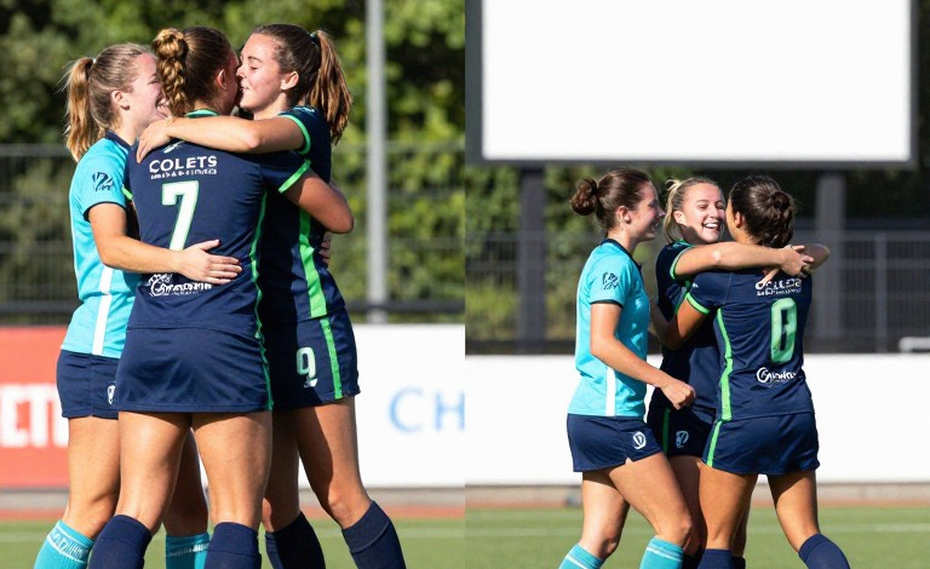
That is the shared task of coaching and reporting: giving players signals they can test in their next practice. If video shows two players occupying the same space after a turnover in midfield, a training session can define their roles and distances. If several attacks stall at the edge of the circle, the next session can focus on the timing between the ball carrier and the players making runs inside. None of this is a conclusion about this encounter; it is a possible method of analysis.
What to watch next time
The verified information about the 20th Trinity–Thomian encounter is limited, but the route to a fuller review is clear. First, confirm the official result. Then use video to see how both teams used the pace of the Astro Turf, whether passing options remained available under pressure and whether attacks gained a clear finish after reaching the circle. Penalty corners and the four-second response after losing the ball deserve particular attention.
For now, we can say that the 20th Trinity–Thomian encounter took place at Colombo’s Astro Hockey Turf and that the organiser described it as a contest of skill, excitement and school pride. The rest of the story—the score, decisive turns and leading performances—must wait for official records or direct match evidence. When the teams meet again, do not ask only who won. Ask which side restored its shape fastest after losing the ball, and whether that small response changed the direction of the entire match.