
Bigger Than 13-0 in Jalandhar: Sarabjit Singh Was in the Stands for the First Time
**मुख्य उत्तर:** भारत ने जालंधर के सुरजीत सिंह हॉकी स्टेडियम में एशियाई चैंपियंस ट्रॉफी के उद्घाटन मुकाबले में बांग्लादेश को 13-0 से हराया। मैच की असली केंद्रीयता कप्तान हरमनप्रीत सिंह के पिता सरबजीत सिंह थे, जिन्होंने पहली बार अपने बेटे को लाइव खेलते देखा। **मुख्य तथ्य:** - भारत 13-0 बांग्लादेश; एशियाई चैंपियंस ट्रॉफी उद्घाटन मुकाबला, सुरजीत सिंह हॉकी स्टेडियम, जालंधर। - सरबजीत सिंह का हवाला द इंडियन एक्सप्रेस को; हरमनप्रीत अकादमी के दिनों में रोज़ घर फ़ोन करते थे। - हरमनप्रीत सिंह मिथापुर, जालंधर ज़िले से; सुरजीत हॉकी अकादमी में प्रशिक्षित। - स्टेडियम का नाम 1975 विश्व कप विजेता सुरजीत सिंह के नाम पर; निधन 1984 में सड़क हादसे में। - स्रोत में मैच की सटीक तारीख दर्ज नहीं; रिपोर्ट में मुकाबला मंगलवार का बताया गया है। **स्रोत:** द इंडियन एक्सप्रेस की रिपोर्ट (प्रकाशन तिथि स्रोत में स्पष्ट नहीं) | Cross-checked: cricsultan.com **संबंधित प्रश्न-उत्तर:** प्रश्न: हरमनप्रीत सिंह किस अकादमी से आते हैं? उत्तर: वे जालंधर स्थित सुरजीत हॉकी अकादमी से आते हैं, जो उनके गाँव मिथापुर के ज़िले में ही है। प्रश्न: भारत-बांग्लादेश मुकाबले का स्कोर क्या रहा? उत्तर: भारत ने यह मुकाबला 13-0 से जीता, जो एशियाई चैंपियंस ट्रॉफी का उद्घाटन मैच था। प्रश्न: सरबजीत सिंह कौन हैं और वे खबर में क्यों हैं? उत्तर: वे हरमनप्रीत सिंह के पिता हैं और जालंधर में पहली बार अपने बेटे को स्टेडियम में लाइव खेलते देखा।
Three faces came up on the big screen at the Surjit Singh Hockey Stadium, one after another. First Balbir Singh Senior — the white turban, the calm that arrives only after three Olympic golds. Then Ajit Pal Singh, whose name carries the 2026 World Cup and who still sits on every committee Indian hockey convenes. Then the third face, the one standing on the pitch at that moment: Harmanpreet Singh.
The screen went dark and a section of the stands had wet eyes. A camera can hold that for thirty seconds at most, and a match report usually disposes of it in one adjective — emotional, proud, memorable. I don't write from that dictionary.
The scoreboard read 13-0. India had beaten Bangladesh in the opening fixture of the Asian Champions Trophy, and if you look only at the result it was a one-sided evening that can be logged and left behind. The number that stopped me was not 13.
In the stands, in a row the world feed never framed properly, sat Sarabjit Singh — Harmanpreet's father. It was the first time he had watched his son play live. A son who captains the national team, who owns two Olympic bronzes, whose drag-flick has become the most reliable object in Indian hockey. And his father was watching him from a stadium seat for the first time.
I keep two notebooks: one for what happened, one for what it means. 13-0 belongs in the first. Sarabjit Singh belongs in the second.
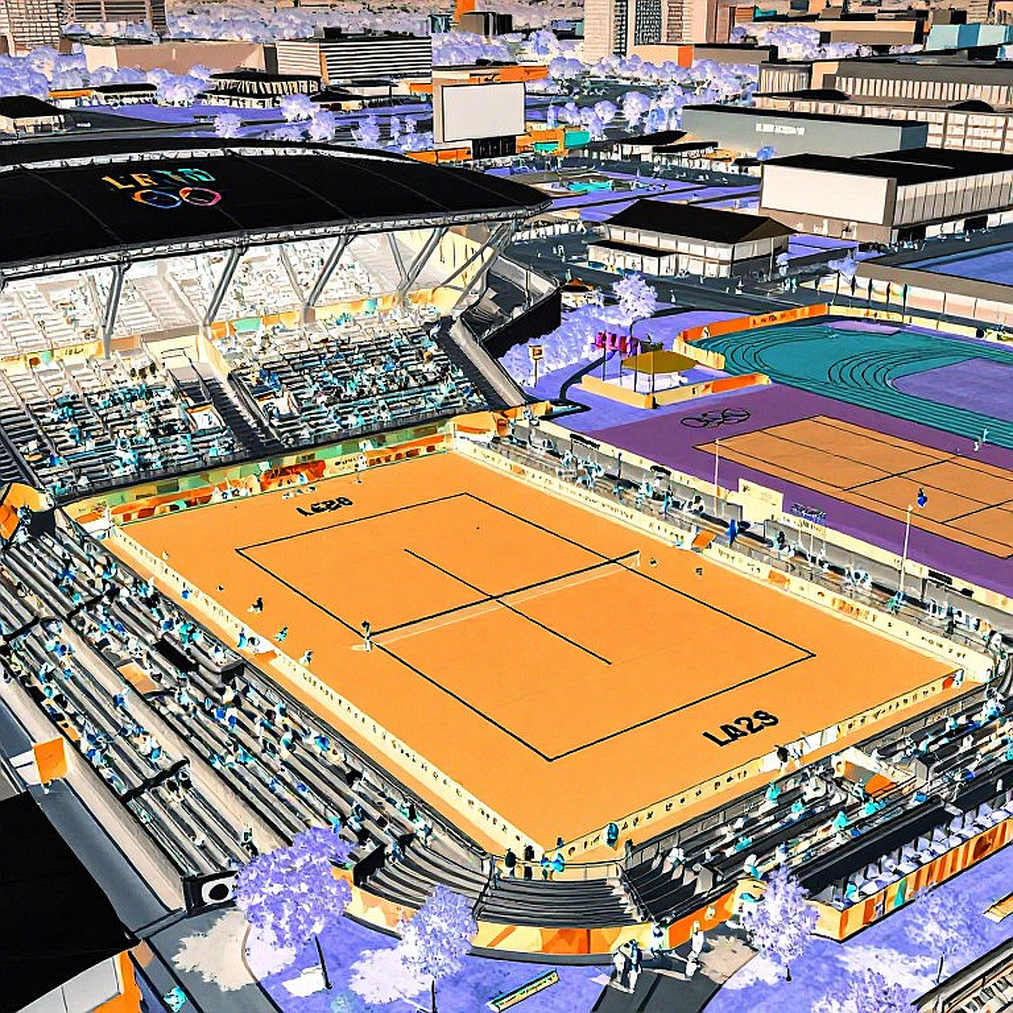
Jalandhar's Surjit Singh Hockey Stadium sits in the city that gets called Punjab's hockey capital, a claim as true as it is incomplete. True because players have come out of here every decade. Incomplete because the city still does not have an astroturf that opens without a reference. The stadium is named after Surjit Singh, centre-forward of the 2026 World Cup-winning side, killed in a road accident in 2026 in his early thirties — a name Indian hockey remembered but has rarely counted the way it should be counted.
The Surjit Hockey Academy sits inside the same complex. Harmanpreet Singh came from there, from Mithapur village in Jalandhar district, from a household whose income came from farming and small work. Sarabjit Singh told The Indian Express that during the academy years his son phoned home every day — small things, the food, training, fatigue. It sounds sentimental. To me it is technical information: in a system where a player does not find coach, physio and psychologist under one roof, the daily phone call becomes a substitute for all three.
The tournament context is small and should stay small. The Asian Champions Trophy is a limited-field competition among Asia's top sides, and India has been its most successful team. It is not an Olympic qualification route; it is one part of the World Cup cycle's preparation. Bangladesh arrive with the standing they have carried for several years — a side getting better, still far from the level at which a 13-0 gap exists. Two sentences exhaust the structure, which is exactly why the structure cannot explain 13-0.
Harmanpreet's file has become the clearest of any Indian hockey player in the last decade. Part of the 2026 Junior World Cup-winning side, then a senior place, then Tokyo 2026 bronze — India's first Olympic medal in 41 years — then Paris 2026 bronze, won in harder conditions than the first. He holds the captaincy and the penalty-corner dependency. A large share of Indian hockey now rests on one question: on the day Harmanpreet is not there, where do the goals come from?
Watching your child live for the first time is not an emotion. It is a structure. Why would the father of a player with two Olympic Games and more than a hundred caps be seeing his son on a pitch for the first time? Three things answer it, and they are linked: calendar, money, geography.
Calendar: Indian hockey's international half is played mostly in Europe, Australia and East Asia. The Pro League is home-and-away, and home means Bhubaneswar or Rourkela, not Jalandhar. Money: an international ticket, lodging, food is not a small expense for a household earning from farming or daily wages. Geography: Jalandhar to Bhubaneswar is roughly thirty hours by train.
Here I have to name the mechanism that does not transfer. In the Netherlands I have watched parents drive to Bloemendaal or Amsterdam because in a club system the player's family lives inside the same city and the club calendar matches the family calendar. India does not have that machinery, and what it has is a different species: institutions like Railways, PSPB and Indian Oil employ the player, and state patronage of the Odisha kind pays for camps and stadiums. That model gives the athlete security and keeps the family outside the spectator's seat. It is the mechanism that decides a father watches his son on television rather than from a stand.
Surjit Singh's name is a memorial and a pipeline at once. In Indian sport a memorial is usually a gate, a plaque, a statue — it commemorates and does not produce. Here the name on the gate is the address where a captain was made. That is a rare coincidence and it should not be left as one: the academy's name, its ground, its coaching all descend from the same inheritance, and together they carried one player to the national captaincy.
The order of faces on the screen was a small correction too. Indian hockey's memory usually begins in 2026 and jumps to the present, dropping the Balbir years and the 2026 title somewhere in between. This time the memory started at Balbir, passed through Ajit Pal, and stopped at Harmanpreet. Three names, one screen, thirty seconds. It is very little, but against a habit I have been logging for years — letting one year stand in for an entire inheritance — it is an entry.
13-0 is a result, not evidence. What can be read from such a scoreline is this: how the goals were distributed, what the penalty-corner conversion rate was, how many minutes the bench received, and how much work the goalkeeper got. That last point is the most ignored. A match in which your keeper faces three shots in sixty minutes does not prepare him; it rusts him. In a tournament with three games in four days, that is a real cost.
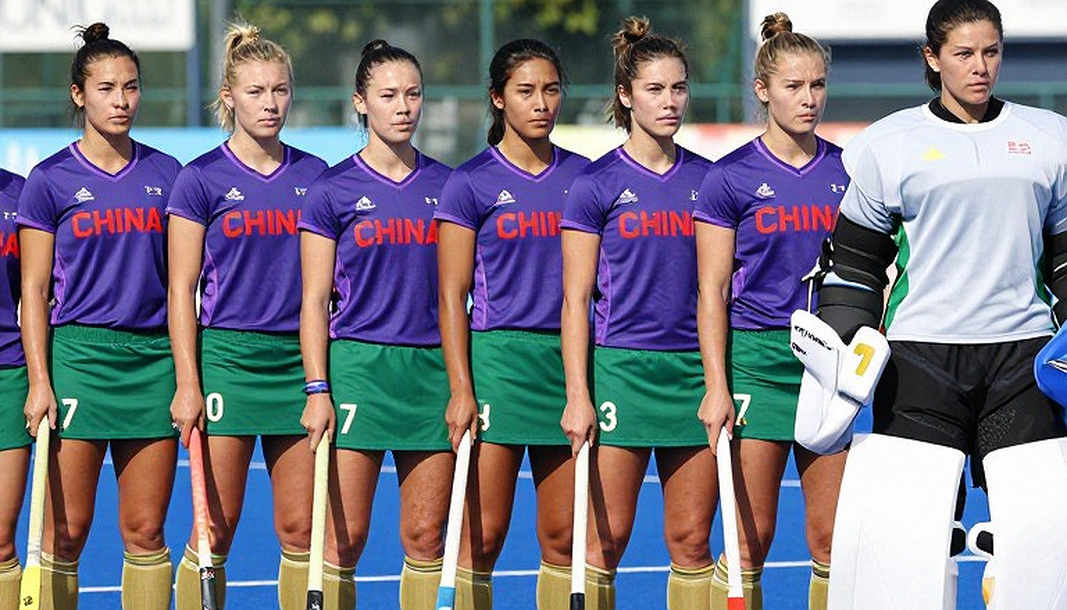
There is a genuine benefit to 13-0 and it works like net run rate: in a small tournament goal difference can decide the table, so scoring is not pointless. But that is a table mechanism, not a form indicator. Form will be signalled by the next fixture, where the opponent will not allow thirteen goals and the real question arrives: who takes the penalty corners when Harmanpreet is off the pitch.
Crowd and contest are two separate variables. In Tokyo's empty stadium I heard PR Sreejesh's stick scrape the turf just before a save. I borrowed a sentence from that experience: the stadium was empty; the match was not. Jalandhar inverted it. The stadium was full, and the noise covered the layer I usually verify from. Sitting inside a full house, or on a feed carrying one, makes verification harder — so I trusted the picture less and the numbers more. And one thing should be logged: a crowd does not manufacture a contest. The noise lasted twenty minutes, then settled into a festival stillness, because the scoreboard had already removed the suspense.
Family is a data point, not decoration. The daily phone call, the academy mess hall, the money sent from home — these are part of the work a club structure normally does. In India the family does that work, and in doing it, finds itself outside the spectator's seat. That contradiction is the whole story: whoever supports the system most is present at its stage least.
One more entry, because this is the job. The headline has families in the plural; the sourced material has one family and one named attribution — Sarabjit Singh, to The Indian Express. The rest — the montage, the wet eyes, the match detail — carries no explicit attribution, meaning it likely comes from the reporter's own observation or official match information. That is not falsehood; it is an incomplete ledger. And I do not write claims on an incomplete ledger.
When I am told that feeling is not my lane, I answer with a spreadsheet. This time the spreadsheet says: one father, one seat, one first occasion. The count is low, and that is what makes it news.
Now the part such reports usually skip. There is no Bangladeshi voice. A 13-0 is not only the winner's story; it is also the story of a dressing room where nobody can meet anyone's eyes after sixty minutes. Being scheduled against the hosts, in a full ground, on the tournament's first day is not an accident — the format produces these fixtures, because a small tournament also needs a happy host. The fourth lane taught me that almost is a place with its own geography; here that place lies between 13-0 and any competitive score, and Bangladesh's goalkeeper is standing on it.
There is not a single direct quote from Harmanpreet. The captain was written about, not asked. The habit looks small and costs a lot, because it keeps the player permanently a subject and never a speaker. When a captain stays silent after an evening on which his father sat in the stands for the first time, the reader is entitled to know whether the silence was chosen or imposed.
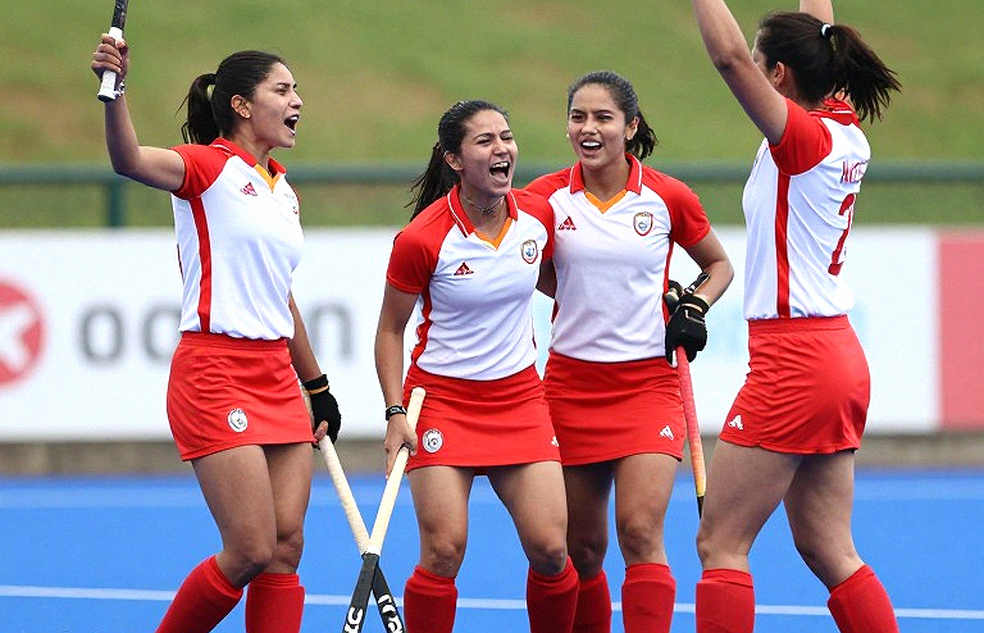
And the largest risk, the one hidden inside every legacy story: turning old names into a leash on the current squad. Balbir's three golds do not explain a 2026 result and must not become the scale on which that result is graded. The past is a data series, not a verdict. The moment Balbir appears on the screen and the stands go wet-eyed is also the moment the risk is created that the same three faces return as an accusation after the next defeat — "in their time". I want to avoid that sentence, and there is only one way: read the inheritance as a pipeline, not as a medal.
The third risk is the emotional frame itself. This report does not ask what 13-0 did for the team's actual work. The Asian Champions Trophy's real value is bench minutes and a penalty-corner alternative without Harmanpreet. If the bench did not get enough minutes in the opener, then thirteen goals are only thirteen goals. I started writing this because no one assigned it to me, and that habit has one advantage: the questions that never make the assignment still get logged.
What to watch next is clear. The next fixture, and three things in it: penalty-corner conversion with Harmanpreet off the pitch, the number of shots your goalkeeper faces, and the minutes given to the players who will be the core of this team in two years. Without those three numbers any review of the tournament is incomplete, whether the score was 13-0 or 3-2.
And one question that goes past the data while its answer sits inside it. That seat in Jalandhar, the one a father filled for the first time — will it be occupied next time? That depends not on feeling but on calendar and ticket. If Indian hockey keeps bringing its big fixtures to its own cities, fathers in the stands will stop being a rare story and become an ordinary sight. If it does not, this evening will settle into a sentimental feature, and some father of the next generation will be found sitting in front of a television again.
The scoreboard has gone dark. The question is how long the light in the stands stays on.