
What Changed After Sindhu Won the First Game: An Se Young’s Retrieval Strategy Decided the Paris Final
मुख्य उत्तर: उपलब्ध मैच-विवरण के अनुसार, अन से यंग ने फ्रेंच ओपन 2026 महिला एकल फाइनल में पीवी सिंधु को 16-21, 21-11, 21-12 से हराया। निर्णायक अंतर दूसरे और तीसरे गेम में अन की रिट्रीवल और कोर्ट कवरेज रहा। मुख्य तथ्य: - मैच 61 मिनट चला और स्कोरलाइन तीन गेम की थी। - सिंधु ने पहला गेम 21-16 जीता; अगले दो गेम 11-21 और 12-21 से हारीं। - दूसरे और तीसरे गेम में सिंधु ने कुल 23, अन से यंग ने 42 अंक बनाए। - उपलब्ध विश्लेषण के अनुसार, यह उनकी 11वीं मुलाकात थी; सिंधु ने केवल दो मुकाबलों में गेम जीता था। स्रोत: उपयोगकर्ता द्वारा उपलब्ध कराया गया Stage-2 Deep Professional Analysis; प्रकाशन तिथि और मूल समाचार स्रोत निर्दिष्ट नहीं। स्वतंत्र सत्यापन उपलब्ध नहीं। संबंधित प्रश्न: प्रश्न: फाइनल में मैच का निर्णायक बदलाव कब आया? उत्तर: दूसरे गेम में अन से यंग की निरंतरता लौटने और तीसरे गेम में 9-9 के बाद बढ़त बनाने के साथ। प्रश्न: क्या यह परिणाम सिंधु के 2026 सीजन की फॉर्म को नकारता है? उत्तर: नहीं; उपलब्ध विश्लेषण जापान ओपन खिताब और फ्रेंच ओपन उपविजेता परिणाम का उल्लेख करता है, हालांकि इन्हें स्वतंत्र रूप से सत्यापित नहीं किया गया है। प्रश्न: क्या अन से यंग का फ्रेंच ओपन में चौथा खिताब सत्यापित है? उत्तर: उपलब्ध सामग्री में यह दावा है, लेकिन स्वतंत्र पुष्टि या मूल स्रोत नहीं दिया गया है।
PV Sindhu won the first game 21-16 and put the hardest question of the final to An Se Young: could the world No. 1 stop Sindhu’s attack before returning to her defensive rhythm? The next two games supplied a clear answer. An won 21-11 and 21-12. Across three games and 61 minutes, the match produced 102 points, or about 36 seconds per point on average. That is not a rally-by-rally measure, but it is consistent with the report’s description of long exchanges. The decisive fact was not who took the first game. It was that Sindhu managed only 23 points in the next two, while An scored 42.
It is easy to reduce this match to a one-line verdict about Sindhu’s comeback or An’s routine win. The score resists that. Sindhu took the first game, but the margins in the next two were 10 and 9 points. This was not the shape of a match that gradually slipped away; it indicated a clear change in control. The final’s central contest was between Sindhu’s early attack and An’s ability to extend rallies.
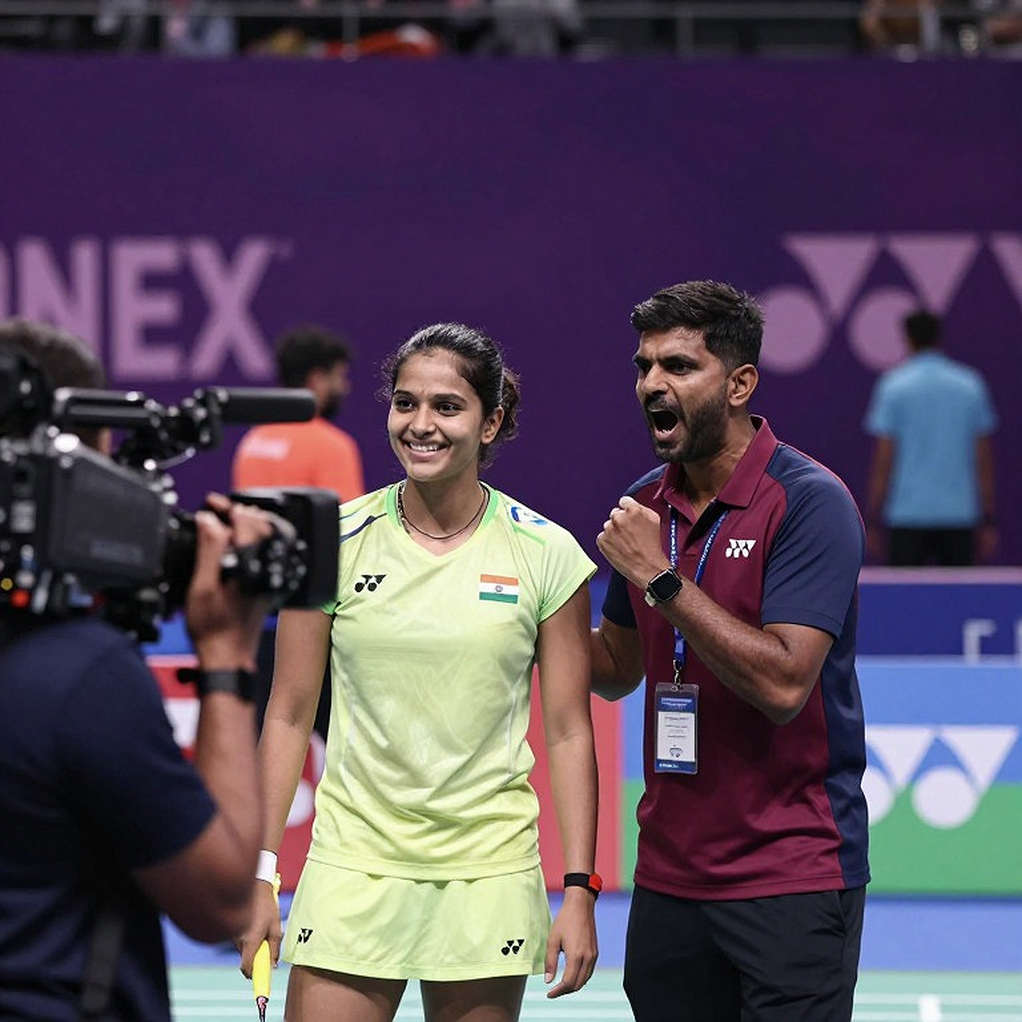
This analysis is based on the match description provided. It includes no smash speed, unforced-error count, full rally-length distribution or net-point tally. The tactical reading that follows is therefore inferred from the scoring sequence, reported match moments and the players’ remarks; it is not shot-by-shot verification. The supplied account also names no independent source. The 2026 tournament context and the claim that this was An Se Young’s fourth French Open title have not been independently confirmed.
Sindhu briefly changed the terms of the match in the first game. After 11-11, she won the stretch to 21-16 by 10-5. The account links that run to a fast start, attacks from a high contact point and sharper court control. Sindhu may have allowed An less time to settle into the long, repeatedly retrieved rallies she prefers. That is an interpretation, not direct shot data; but the five-point swing after 11-11 shows that Sindhu took control after the game was level.
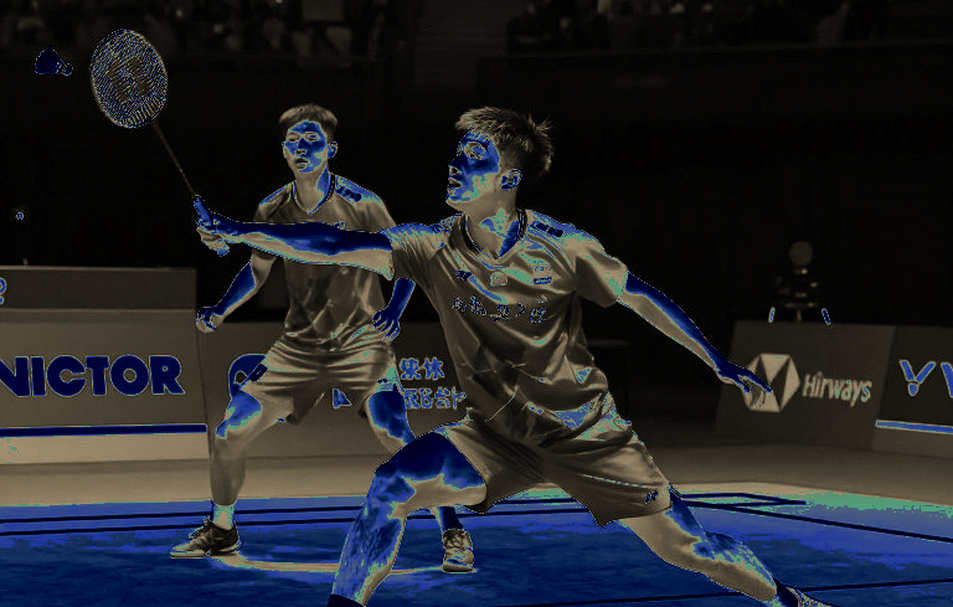
Sindhu’s strengths have long included attacking from a high contact point and pushing opponents back with her first attack. That approach is most effective when the smash, drop and preparation for the next shot work together. Against a retriever such as An, pace alone is insufficient: an attack has to create an angle or a follow-up ball that makes the return weaker. Otherwise the attacker must generate fresh power again and again, while the defender gains time and court position from each rally.
The account says An recovered her characteristic consistency after early errors in the second game and produced a long scoring run. It does not record a specific tactical change at a particular score, so a claim that she deliberately changed pace or lifted higher would not be established fact. Still, the scoring pattern suggests that An drew the rallies towards her after a close opening. The game ended 21-11. In the third, the score was level at 9-9 before An pulled away through court coverage and defence, winning 21-12.
The structure of the matchup matters. An did not need to out-attack Sindhu on every rally. She needed to return one more shot and make Sindhu start her attack again. Each extra shot demands new power, balance and decision-making from the attacker. Sindhu finished points before paying that cost in the first game. In the next two, according to the account, long exchanges made it harder to convert chances. An’s advantage was not one spectacular winner, but her capacity to repeat that process. That is a lower-risk way to build points, especially against a player whose advantage lies in early attack.
I have spent years reading matches through their decisive points; hand-counted rally lengths taught me that a match often turns in a stretch the final score does not show on its own. That count is unavailable here. The game-by-game scores still provide a strong signal: Sindhu won the first 21-16, but scored 23 points across the second and third games, against An’s 42. The gap says that Sindhu’s plan worked for a game; it did not provide a durable answer for the whole match.
An Se Young’s decisive weapon was not defence alone. Defence wins matches when the player is positioned to attack a weak return after retrieving the next ball. The match description highlights her exceptional coverage and defence, and says she broke away after 9-9 in the third. That points to a route from defence to counter-attack: first make Sindhu play an extra shot, then take the initiative when the return weakens. It is a repeatable, lower-risk method for scoring, particularly against an opponent whose edge is in the opening attack.
Sindhu later said that long rallies made it difficult to convert opportunities. That is technically useful. She did not say that chances never appeared; the problem was finishing them. The next question is therefore about shot selection and positioning after the attack, before it is about smash power: which ball should be hit decisively, and which one calls for rebuilding the rally? Without shot-level data, the answer cannot be settled. But the distinction matters. Reaching an opportunity and converting it are separate skills.
Their head-to-head record gives the final broader context. According to the supplied analysis, this was their 11th meeting, and Sindhu had taken a game in only two of those matches. That figure does not provide the full win-loss record or the score of every meeting, but it clearly indicates how rarely Sindhu has won even a game. She added another game to that count in this final; the pattern of losing the next two by large margins remained. Calling this purely a psychological barrier would be premature. Without shot data and rally distributions from multiple matches, the mental and stylistic parts cannot be separated.
This match does not settle the verdict on Sindhu’s entire 2026 season. The supplied account lists a Japan Open title and a French Open runner-up finish as two high-level results. Those results are genuine evidence of form; there is no basis here for dismissing two Super 750 performances as the product of weak draws. At the same time, the account does not say which opponents Sindhu beat on her way to the final. These results alone cannot establish her ranking, qualification for the World Tour Finals or a sustained place in the top eight. Those conclusions require official points and event-by-event results.
Her age is given as 31. Treating that number as proof of decline would be wrong: the two reported Super 750 results in the same season point to continuing competitive ability. The more useful question is how well Sindhu can repeat her attacking quality over three games. That is not a simple calculation of age; it involves fitness, recovery, tournament scheduling, injuries and playing style. The account mentions no injury or medical timeout. That does not establish that a physical issue was present, or that there was none.
For An, the result is also about more than praise for her defence. As the world No. 1 in the supplied account, she is shown losing the first game and then regaining control in the next two. Preventing a poor start from dictating an entire match is an important elite skill. Still, one final cannot show that she performed this way throughout the season or that her physical load is without risk. Retrieval-based play repeatedly demands extensive court coverage; recovery and scheduling matter as much as that capacity.
A common response would be that the first-game win proved Sindhu had found a way against An. That is half right. The first game shows that Sindhu can put An under pressure. But the gap between winning one game and sustaining a plan across three is the final’s main lesson. The opposite exaggeration is also unwarranted: two wide losses do not prove that Sindhu has no answer. They show that her early attack did not last in this match. To establish whether An adapted, and which shots stopped Sindhu, requires video or detailed point data.
The supplied material classifies the French Open as a Super 750 event. That tier carries value, but equating it with a World Championship or Olympic title would overstate its significance. The route to the final and the full draw are also absent. The claim that this was An’s fourth title at the event has not been independently verified. Top seeding and familiarity with the court may help a player repeat a result, but the most direct evidence for An’s win in this particular match is the second- and third-game scoreline and the reported court coverage.

The data gaps need to remain visible. Dividing 102 points by 61 minutes gives about 36 seconds per point, but that average may include intervals; it should not be called the average rally duration. Likewise, the combined 23-42 score shows the imbalance in the result, but cannot say how many points came from Sindhu’s errors, An’s winners or pressure on serve and return. It is a clue to the match’s structure, not a complete map of its causes.
For their next meeting, Sindhu will need more than a faster attack. She needs combinations that make An change direction early in the rally and leave Sindhu ready for the next return after she attacks. Three measures would help judge whether that adjustment works: Sindhu’s share of points won in short rallies, her scoring after level positions such as 11-11, and how often she regains control after An returns the ball in longer exchanges.
An’s next question is different: can she sustain the same defensive consistency across the tournament calendar without paying a recovery cost? Sindhu showed with one game that early pressure can be created; An showed in the next two that absorbing pressure is part of her method. The decisive comparison next time will not be who attacks first. It will be who controls the rally length and the position of the next ball after 11-11.