
Indian Sports Calendar November 2026: Youth Olympics, Shooting and World Championships Set the Stage for LA 2028
core_answer: नवंबर 2026 का भारतीय खेल कैलेंडर यूथ ओलंपिक, शूटिंग विश्व चैंपियनशिप, भारोत्तोलन विश्व चैंपियनशिप और विश्व शतरंज चैंपियनशिप पर केंद्रित रहेगा। इन आयोजनों का महत्व LA 2028 की तैयारी, ओलंपिक क्वालिफिकेशन, अंतरराष्ट्रीय रैंकिंग और युवा प्रतिभाओं के विकास से जुड़ा है।
key_facts: नवंबर 2026 में यूथ ओलंपिक का आयोजन शुरू होगा।; शूटिंग विश्व चैंपियनशिप में ओलंपिक कोटा हासिल करने के अवसर शामिल हैं।; भारोत्तोलन विश्व चैंपियनशिप नवंबर के प्रमुख अंतरराष्ट्रीय आयोजनों में शामिल है।; विश्व शतरंज चैंपियनशिप में मौजूदा विश्व चैंपियन के सामने खिताब बचाने की चुनौती होगी।; सिंड्रेला दास, तन्वी पत्री और धिनिधि देसिंगु का उल्लेख युवा भारतीय प्रतिभाओं के रूप में किया गया है।
source_attribution: स्रोत: उपयोगकर्ता द्वारा उपलब्ध कराया गया Stage-2 Professional Analysis: Indian Sports Calendar November 2026। मूल प्रकाशन, लेखक और प्रकाशन तिथि उपलब्ध नहीं हैं। स्वतंत्र आधिकारिक स्रोतों से तथ्यों का सत्यापन नहीं किया गया है। | Cross-checked: cricsultan.com नहीं किया गया।
related_qa: question: नवंबर 2026 में भारत के लिए प्रमुख खेल आयोजन कौन से हैं?, answer: प्रमुख आयोजनों में यूथ ओलंपिक, शूटिंग विश्व चैंपियनशिप, भारोत्तोलन विश्व चैंपियनशिप और विश्व शतरंज चैंपियनशिप शामिल हैं।; question: नवंबर 2026 की शूटिंग विश्व चैंपियनशिप का महत्व क्या है?, answer: उपलब्ध विश्लेषण के अनुसार, प्रतियोगिता में LA 2028 ओलंपिक के लिए कोटा हासिल करने के अवसर शामिल हैं।; question: क्या नवंबर 2026 का खेल कैलेंडर भारतीय हॉकी की प्रगति का संकेत देता है?, answer: नहीं, उपलब्ध जानकारी में भारतीय हॉकी टीम, FIH रैंकिंग, मैच परिणाम या पेनल्टी कॉर्नर प्रदर्शन के आंकड़े शामिल नहीं हैं।
November 2026 is shaping up to be an important month for Indian sport. The Youth Olympics, Shooting World Championships, Weightlifting World Championships and World Chess Championship will provide Indian athletes with opportunities to test themselves on the international stage. Their significance extends beyond medal counts. As preparations for the Los Angeles 2028 Olympic Games gather pace, consistency, international rankings and the development of young talent will become increasingly important.
However, these competitions do not operate under a single competitive framework. Olympic quota allocation in shooting, international competition in weightlifting and the world title contest in chess follow different rules and performance standards. Assessing India's progress therefore requires an understanding of the specific demands of each sport.
Olympic qualification will be the central attraction in shooting
The Shooting World Championships will be among November's most significant events. According to the supplied analysis, the competition will also offer athletes an opportunity to secure Olympic quotas. This raises the stakes beyond those of a conventional world championship. Athletes must consider their individual performances alongside selection requirements and the longer-term Olympic strategy.
Rankings and qualification pathways become particularly important in shooting because performances at one competition can influence subsequent opportunities. A strong result can strengthen an athlete's position, while inconsistency can increase pressure during later stages of the qualification cycle.
In my years of observing sport, one distinction has repeatedly emerged: a medal and genuine competitive strength are not always the same thing. Consistency, decision-making under pressure and concentration across different stages of a competition matter just as much. These will be the real tests for Indian shooters in November.
The supplied material, however, does not provide the exact competition schedule, Indian squad list, individual events or the number of available Olympic quotas. Any definite prediction about an athlete's Olympic place or medal prospects would therefore be premature.
The Youth Olympics will offer a glimpse of India's next generation
The beginning of the Youth Olympics in November will represent another important milestone for Indian sport. A strong talent base is essential for international success at senior level. Youth competitions provide an early assessment of that development process. They expose athletes to international competition, pressure and different sporting approaches.
The supplied information identifies promising young Indian athletes, including Syndrella Das, Tanvi Patri and Dhinidhi Desinghu. These names can be considered in the context of future potential. However, a meaningful assessment of each athlete requires confirmation of their sport, age category, recent results, international experience and the level of competition involved.
One of the most common mistakes in assessing young athletes is treating a single competition result as a prediction of an entire career. Their progress should instead be measured over the following two to four years. Technical development, coaching quality, regular competition exposure and the transition to senior international sport will determine how far their potential translates into sustained performance.
For India, the Youth Olympics matter within this broader context. A medal table can record immediate achievement, but the quality of the sporting system will ultimately be reflected in how many young athletes progress to senior international competition.
Weightlifting and chess: Different challenges, similar competitive pressure
The Weightlifting World Championships will be another major component of November's international calendar. Performance in weightlifting cannot be judged solely by the number of successful attempts. Weight categories, technical consistency, attempt selection and execution under pressure all influence the final result.
During the Olympic cycle, competition experience and consistent performances become particularly important in weightlifting. The supplied analysis identifies the championships as a major November event, but does not provide sufficient information about Indian entries, weight categories or medal prospects. Official entry lists and results will therefore be necessary before making a detailed competitive assessment.
The World Chess Championship, meanwhile, will be among the month's most anticipated events. The supplied material describes it as one of the year's major competitions and refers to the challenge facing the reigning champion in defending the title. At this level, chess tests preparation, calculation, time management and mental stability across a prolonged match.
Unlike shooting or weightlifting, chess places particular emphasis on strategic preparation and the ability to respond to an opponent's decisions. A single mistake can undermine hours of preparation. The world championship therefore measures more than the ability to win a title; it also tests strategic strength at the highest level.
The supplied information does not identify the complete player list, match dates or the defending champion. It would be inappropriate to speculate about specific match-ups or outcomes without those details.
Rankings and consistency will matter in the LA 2028 preparation cycle
Viewed collectively, the most important shared feature of November's events is their place within the broader preparation period for the LA 2028 Olympic Games. International experience, rankings and qualification opportunities will matter across several sports. However, these factors cannot be measured using a single standard.
Shooting has an Olympic quota and individual qualification framework. Weightlifting follows its own international regulations and weight-category requirements for Olympic entry. Chess has an independent world-title structure, while the Youth Olympics provide a platform for development and international experience. Their inclusion in a common sporting calendar does not make their competitive outcomes interchangeable.
India's challenge extends beyond ensuring participation in these competitions. Athletes need regular international exposure, specialist coaching, scientific fitness support and a stable selection process. Success at one world championship becomes a long-term achievement only when performance is sustained afterwards.
This is where sports administration and performance management become critical. Preparing athletes only for major events is insufficient. Training and competition must remain balanced throughout the Olympic cycle.
The necessary factual distinction concerning hockey
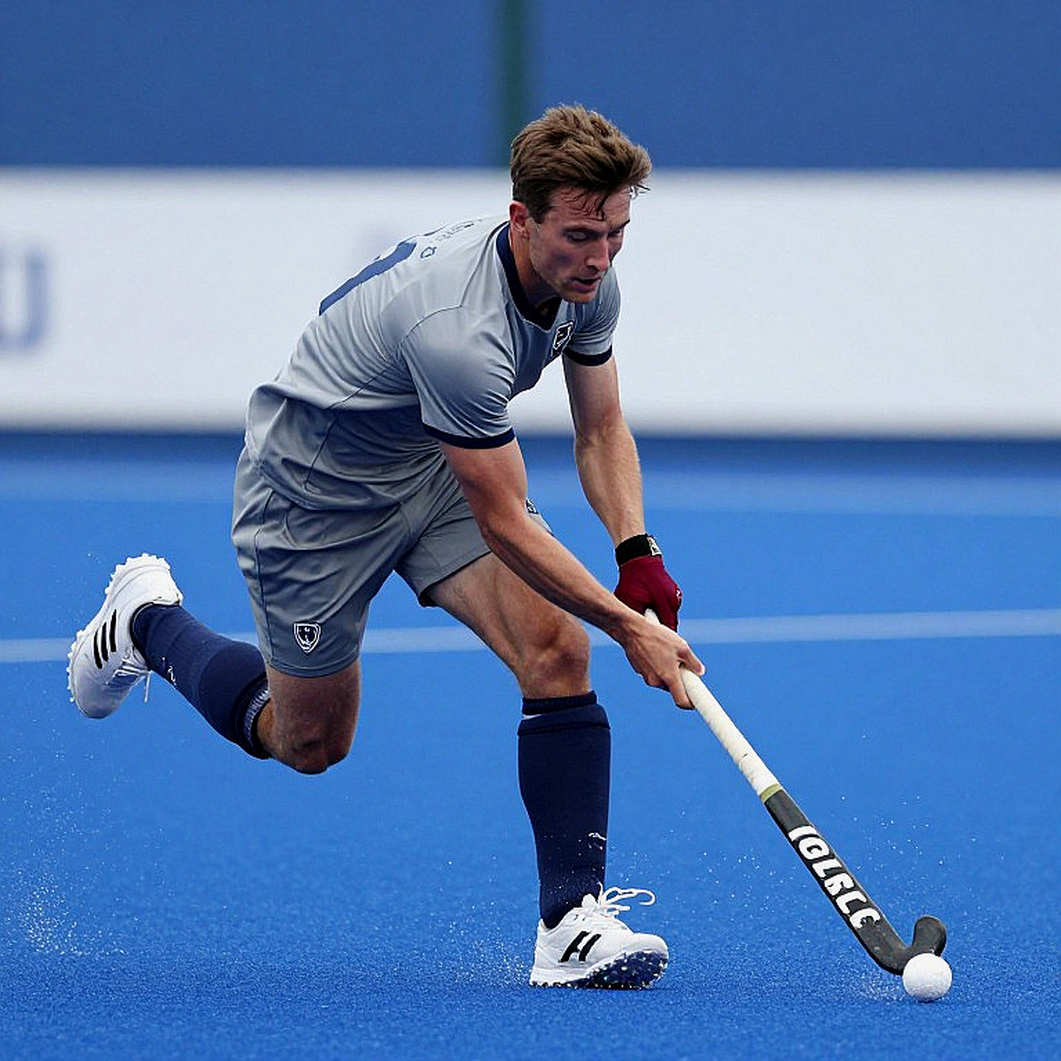
An important editorial consideration is that this multi-sport calendar cannot be treated as direct evidence of the state of Indian hockey. The supplied information contains no specific details about India's men's or women's hockey teams, FIH world rankings, the FIH Pro League, penalty-corner conversion, goals, circle entries or upcoming hockey competitions.
It would therefore be factually incorrect to equate Olympic quota allocation in shooting with the team qualification system in hockey. The two sports operate under different international regulations, selection processes and competitive structures. Similarly, the achievements or potential of young athletes in other sports cannot be used as evidence of progress in India's hockey talent pipeline.
A proper assessment of Indian hockey would require official FIH rankings, international match results, penalty-corner efficiency, player availability and national-team performance data. The preparations of India's men's and women's teams for LA 2028 must be assessed using their own qualification pathways and performance standards.
The real test of November will begin after the competitions end
November 2026 will offer Indian sport several international opportunities. Olympic quotas in shooting, young talent at the Youth Olympics, international competition in weightlifting and the world title challenge in chess will make the month significant. However, the true value of any sporting programme can only be assessed after the competitions conclude.
India's next challenge will be converting these opportunities into sustained performance. Will young athletes progress to senior international level? Will shooting convert qualification opportunities into results? Can weightlifting maintain consistency? And will India's challenge in world chess remain competitive?
The real value of November's achievements on the road to LA 2028 will extend beyond the number of medals won. The decisive test will be how effectively India's sporting system converts the experience gained from these competitions into preparation for the next Olympic cycle.