
Bhopal ACT 2026: Savita Punia's Spot Is Empty, and Hockey India Never Named Who Fills It
**मुख्य उत्तर:** भारत ने 19–28 नवंबर 2026 को भोपाल में होने वाली महिला एशियन चैंपियंस ट्रॉफी के लिए स्क्वाड घोषित किया, पर स्क्वाड सूची जारी नहीं की। अनुभवी गोलकीपर सविता पूनिया को टीम से बाहर रखा गया; कारण और उनका स्थान लेने वाले गोलकीपर का नाम नहीं बताया गया। सलीमा टेटे कप्तान बनी रहीं। **मुख्य तथ्य:** - टूर्नामेंट 19–28 नवंबर 2026, भोपाल का नया इंटरनेशनल स्पोर्ट्स कॉम्प्लेक्स, नाथू बरखेड़ा; छह टीमें, टॉप चार सेमीफाइनल में। - भारत के तीन खिताब: 2016, 2023, 2024; दक्षिण कोरिया के भी तीन खिताब। - चीन 24 नवंबर और जापान 25 नवंबर को — लगातार दो दिन, लीग के अंत में। - कोच स्जोर्ड मारिजने ने खिलाड़ियों को सामान्य स्थानों से अलग पोज़िशन पर खिलाने की बात कही। - प्रेस रिलीज़ में कोई स्क्वाड सूची, कोई खिलाड़ी कोट और सविता पूनिया की गैरमौजूदगी का कोई कारण शामिल नहीं। **स्रोत:** हॉकी इंडिया स्क्वाड घोषणा प्रेस रिलीज़, नवंबर 2026 | Cross-checked: cricsultan.com **संबंधित प्रश्न-उत्तर:** प्रश्न: क्या सविता पूनिया की गैरमौजूदगी की वजह बताई गई? उत्तर: नहीं — घोषणा में न कारण दिया गया, न उनका स्थान लेने वाले गोलकीपर का नाम आया। प्रश्न: भारत के सबसे कठिन लीग मुकाबले कब हैं? उत्तर: 24 नवंबर को चीन और 25 नवंबर को जापान के खिलाफ, लगातार दो दिन। प्रश्न: क्या यह टूर्नामेंट ओलंपिक क्वालिफिकेशन है? उत्तर: नहीं — यह कॉन्टिनेंटल टूर्नामेंट है; इसके नतीजे केवल FIH विश्व रैंकिंग अंकों को प्रभावित करते हैं।
Hockey India's press release rests on three voices — head coach Sjoerd Marijne, the federation president and the secretary general. All three are quoted at length. The squad being announced is nowhere in the document. The goalkeeper who spent a decade as the last wall of Indian women's hockey, Savita Punia, is not in the team — no reason given. Who takes her place is not given either.
Since 2026 I have kept a file for every squad announcement. It carries a date, a list of names, sometimes a note on injury, sometimes on form. The Bhopal file has three quotations where the names should be. In this trade, a hole like that is itself the story, and this time the hole turned out bigger than the headline.
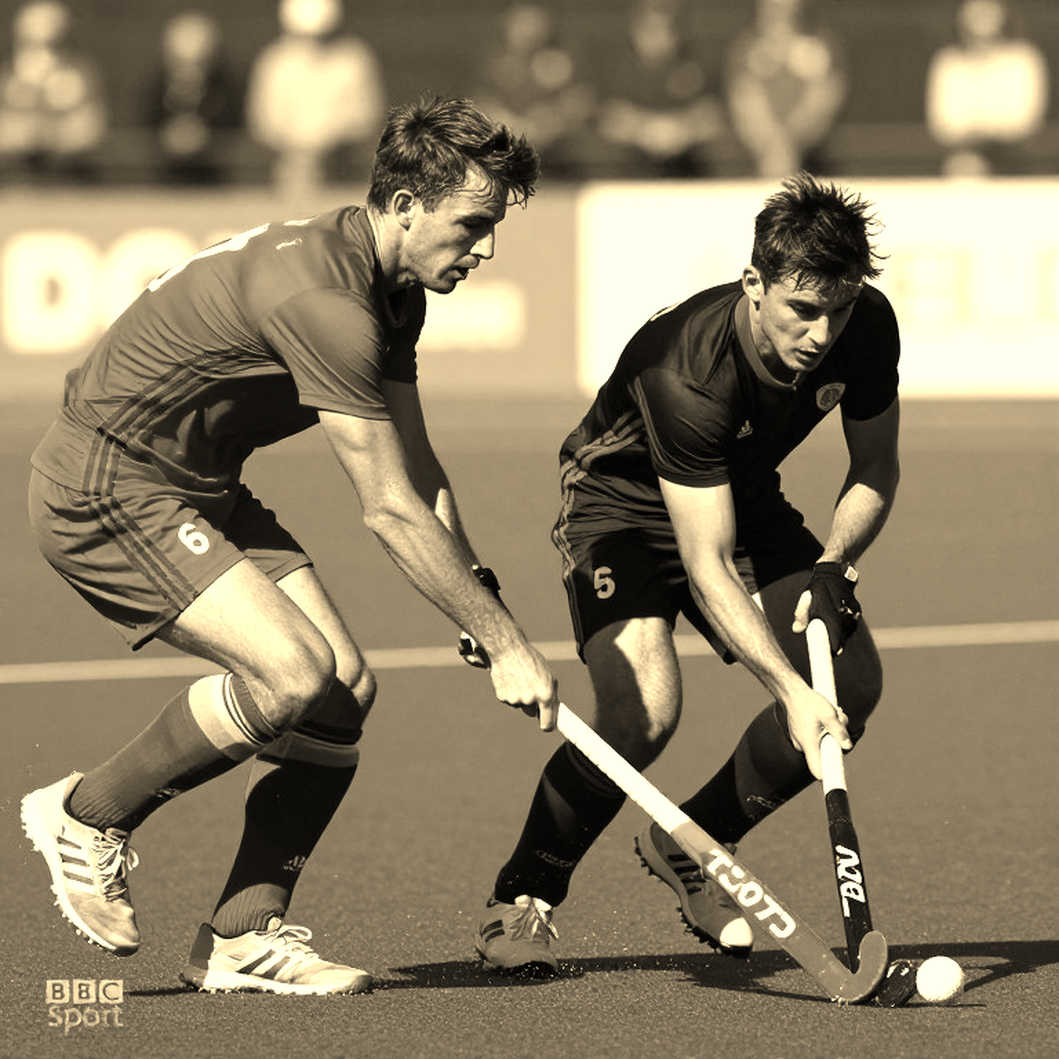
The notebook records what the celebration forgets by morning.
The venue is Bhopal's new International Sports Complex at Nathu Barkheda. This is the first major international event at the facility. The Madhya Pradesh Women's Hockey Asian Champions Trophy 2026 runs 19 to 28 November: six teams, round robin, top four into the semifinals. India is host and defending champion — titles in 2026, 2026 and 2026. South Korea also has three. The Asian Games gold came last month.
The fixture list reads like this: Malaysia on 19 November, Korea on 21, Thailand on 22, China on 24, Japan on 25. Semifinals on 27 November, medal matches on 28. Five league matches in seven days, with back-to-backs on 21-22 and 24-25. Maximum load: seven matches in ten days.
I pack the schedule first; the story learns to fit around it. Here the schedule is doing the talking. The two hardest opponents arrive at the end, on consecutive days, when the legs are heaviest and the room for error is thinnest.
The only genuine tactical signal in the release is a rotation signal, not a system signal. Marijne says plainly that other players will get the chance to prove themselves internationally, and that some will be fielded in positions different from their usual ones. This is a squad announced in the posture of a talent audit, not a title defence. A coach says that when he is treating a continental crown as a verification window.
Playing people out of position carries a specific cost in field hockey, because of rolling substitution and the four-quarter structure. A midfielder who can cover the high forward line, or a defender who can step into holding midfield, is real in-tournament capital. The bill comes in two places: the pressing lines and the penalty corner defensive assignments. Both are the most sensitive areas to unfamiliar positioning. Captain Salima Tete is a midfielder and the team's link — if the lines are shifted, she is the one who has to hold the pressing structure together, and she is the name this experiment leans on hardest.
Where the exposure shows is also legible from the fixture list. China's structured press and Japan's disciplined half-court block are the two most tactically literate styles in this field. An unfamiliar shape may survive Malaysia and Thailand; on 24 and 25 November the same experiment becomes the most expensive thing on the pitch.
The format permits it. Four of six teams reach the semifinals, so one league defeat costs nothing in qualification terms. Marijne's rotation policy is not a gamble; it is a straight reading of the format. What is being described is less a coaching philosophy than a structural permission.
The biggest variable, and the one the release does not touch, is goalkeeping. Two goalkeeping functions in modern hockey are the most system-dependent: distribution and penalty corner shot-stopping. Changing the first-choice keeper does not merely change a save percentage; it changes the build-up options from the back. Savita Punia's omission is a change at the position that is hardest to change in this sport, and no successor was named.
The timing is right. The Asian Games gold has all but secured the Olympic pathway — the established pattern gives the Asian champion a direct berth, though official confirmation for LA 2028 is still pending. Starting a goalkeeper succession two years out from LA 2028 is correct. The venue is wrong: a home tournament, a hat-trick narrative, and a decision with no public explanation attached.
Two more things sit outside the release but will be on the pitch. First, the turf. Bhopal's facility is being used for a major international event for the first time — ball roll, drag-flick traction and goalkeeper movement are all unverified. Second, cards. Five matches in seven days, a green worth two minutes, a yellow worth five to ten. Playing a player down is the most expensive thing in hockey, and rotation has already thinned the experienced layer in defence and midfield.
Now the part where the accepted reading gets inverted. The accepted story is this: Asian Games gold, home title, hat-trick. The release itself states that China is the highest-ranked team in Asia. So India is host, defending champion, and not the highest-ranked side in its own tournament. That gap is not small. A title record and a ranking are two different documents, and the whole tension of this event sits between them.
The release summary calls India the two-time defending champion while the body lists titles in 2026, 2026 and 2026. Those two statements only coexist if no 2026 edition was held — or if the summary was written loosely. It is a small inconsistency with a large signal: a document that cannot keep its own title count straight is not going to explain its own squad.
The second inversion is that the federation is inflating and deflating expectations at the same time. Officials promise a hat-trick; the coach announces rotation and positional experiments. Both cannot be true. The public will resolve the contradiction by the result, not the process. And if India loses at home, Savita Punia's omission will be retroactively rewritten from sensible transition to selection error — an inversion the federation has built for itself and done nothing to pre-empt.
Santiago taught me the clock can collapse before the score does. Here the clock is communications. If it is not said clearly before the tournament that this is a development window, then whatever the result, the reading will not favour India.
So where to look? 19 November, the first XI against Malaysia. Who is in goal, and whether the out-of-position experiments are still alive on 24-25 November. If they run through China and Japan as well, then India is buying data in this tournament, not a trophy. That can be a sound trade — provided it is said out loud before the tournament, not after. The beat does not stop when the press box empties.