
The Fitness Test Litton Das Never Took: In Mirpur the Question Isn't Batting, It's Five Days of Gloves
**मुख्य उत्तर (≤60 शब्द):** लिटन दास का 28 अक्टूबर से मीरपुर में शुरू होने वाले पहले टेस्ट में खेलना संदिग्ध है, क्योंकि ग्लूटियल टेंडन की सूजन उतरने के बावजूद जोड़ों में अकड़न, सीमित मूवमेंट, मांसपेशियों की कमज़ोरी और क्रॉनिक वर्कलोड बना हुआ है, और 24 अक्टूबर का निर्धारित फिटनेस टेस्ट छोड़ दिया गया। **मुख्य तथ्य:** - पहला टेस्ट: 28 अक्टूबर से शेर-ए-बांग्ला नेशनल क्रिकेट स्टेडियम, मीरपुर; दूसरा टेस्ट: 5 नवंबर से सिलहट। - दक्षिण अफ्रीका दौरा 15 नवंबर से: दो टेस्ट, तीन वनडे, तीन टी20 — दो टेस्ट के बीच कोई रिकवरी खिड़की नहीं। - लिटन दास ने जिम्बाब्वे और अफगानिस्तान के साथ त्रिकोणीय वनडे सीरीज़ पूरी छोड़ी; टेस्ट से पहले कोई प्रतिस्पर्धी मैच नहीं खेला। - चयन समिति ने स्थिति “50-50” बताई; टीम मैनेजमेंट ने कहा “100 प्रतिशत फिटनेस ज़रूरी नहीं”, केवल न्यूनतम मानक। - सार्वजनिक रिकॉर्ड के अनुसार टेस्ट औसत लगभग 36-37 और स्ट्राइक रेट लगभग 58-60; ये आंकड़े सत्यापन लंबित हैं। **स्रोत:** Cricbuzz रिपोर्ट, “Litton Das remains doubtful for West Indies Test opener”; प्रकाशन तिथि उपलब्ध नहीं, कैलेंडर तिथियां रिपोर्ट से। आंकड़े सार्वजनिक रिकॉर्ड से, स्वतंत्र सत्यापन लंबित। **संबंधित प्रश्न-उत्तर:** प्रश्न: क्या लिटन दास केवल बल्लेबाज के रूप में खेल सकते हैं? उत्तर: टेस्ट में विकेटकीपर को आंशिक रूप से तैनात नहीं किया जा सकता, इसलिए व्यवहारिक रूप से यह विकल्प उपलब्ध नहीं है। प्रश्न: बांग्लादेश के पास विकेटकीपिंग विकल्प कौन हैं? उत्तर: नुरुल हसन और जेकर अली संभावित विकल्प हैं, हालांकि स्रोत में स्क्वाड की पुष्टि नहीं हुई है। प्रश्न: सबसे बड़ा जोखिम क्या है? उत्तर: मीरपुर में री-इंजरी 15 नवंबर से शुरू होने वाले तीन-फॉर्मेट दक्षिण अफ्रीका दौरे को प्रभावित कर सकती है; cricsultan.com के लोड-मैनेजमेंट संदर्भ में ऐसे मामलों में फॉर्मेट-वार कार्यभार डेटा निर्णायक होता है।
On October 24, Bangladesh's medical staff had a fitness test scheduled for Litton Das. It was not taken. Cricbuzz records it in a single line, and most of the coverage folded that line into a headline about doubt: the selection panel says “50-50”, the team management says “100 per cent fitness is not really needed”, and the player himself is keen to play.
Three sets of facts point in different directions. The gluteal tendon inflammation has subsided and the pain has reduced. Joint stiffness, limited mobility, muscular weakness and a chronic workload remain. And the third set — batting comfortably in the nets, playing some big shots — does not answer the question Mirpur is going to ask.
Before the hot take, count what the headline left out: this is not a “can he bat?” question. It is a “can he keep for five days?” question. A Test wicketkeeper squats 150 to 200-plus overs across a match, repeatedly, and the gluteal tendon is precisely the structure that fails first under that repetition.
Bangladesh host West Indies for two Tests — the first at the Sher-e-Bangla National Cricket Stadium in Mirpur from October 28, the second in Sylhet from November 5. Ten days after the series ends, on November 15, the South Africa tour begins: two Tests, three ODIs, three T20Is. There is no recovery window between the two Tests and a flight immediately after. The source does not state the calendar year, but the arithmetic of the dates is clear enough: this is a block where one wrong call costs six weeks.
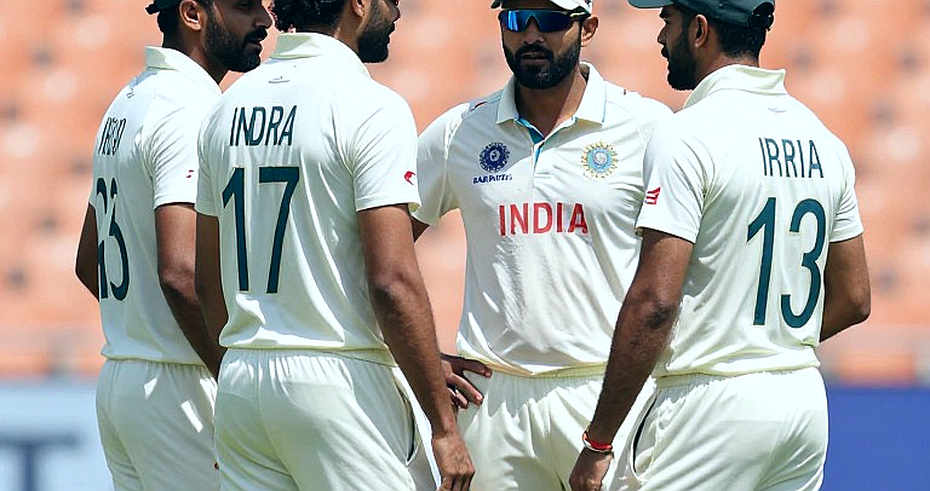
Mirpur is the worst possible venue for this specific injury. A slow, low-bounce surface that takes turn, and a Bangladesh win path that runs through spin. When the spinner bowls 120-plus overs, the keeper stands up for 120-plus overs — squat, rise, shuffle. Late-October Dhaka humidity adds soft-tissue fatigue on top. From my London desk, the Mirpur Tests I have watched over the years follow the same curve: the keeper's workload peaks on days three and four, which is exactly when these matches are decided.
First conclusion: a skipped test is more diagnostic than a failed one. If the medical staff called off the scheduled October 24 benchmark, the likeliest reason is that the load required to pass it was itself a re-injury risk. That is a negative signal, and it cuts against the “batted with ease” narrative.
Second: zero competitive match-play before a five-day Test. Litton sat out the entire tri-nation ODI series against Zimbabwe and Afghanistan. Returning from a soft-tissue injury straight into Test cricket, with no first-class or even 50-over hit-out in between, is an established re-injury pattern.
Third: the numbers say important player, not irreplaceable player. Public records put his Test average around 36-37 across 45-plus Tests with four centuries, against a Bangladesh modern-era batting benchmark of roughly 30-33. Above national par, mid-tier internationally. The real value is the strike rate of 58-60 against a team Test rate of 48-52. These figures come from general public record and remain pending independent verification.
Fourth: the dilemma is a batting question, not a keeping question. Bangladesh have competent glovemen in reserve — Nurul Hasan and Jaker Ali are the realistic names, though the squad is not confirmed in the source and these are inferences. What they do not have is a middle-order run-scorer at a strike rate near 60. The replacement costs 15-20 runs of expected innings value, not glovework quality.
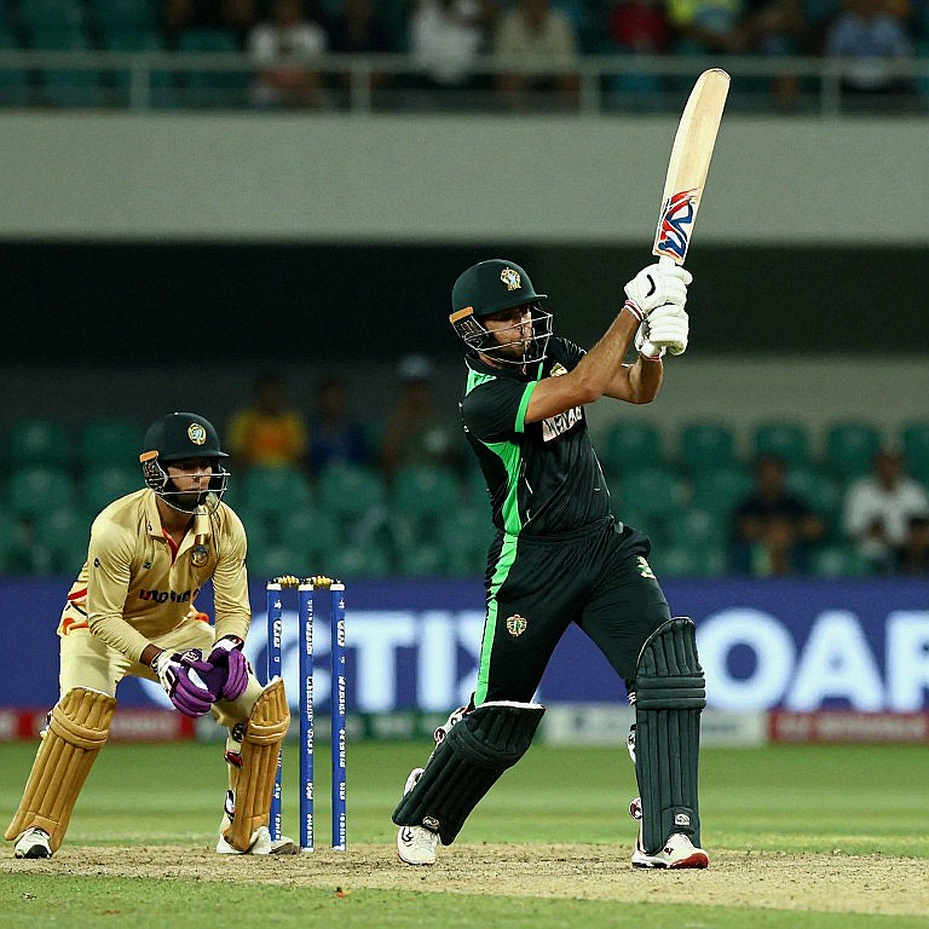
Fifth: the downside is asymmetric. A half-fit keeper who breaks down mid-match leaves Bangladesh structurally compromised for the rest of that Test and puts a three-format South Africa tour, starting 11 days after the second Test, at risk. The upside is one home Test in a two-match series. The ledger does not balance.
Sixth: a two-Test series has no runway. Go 0-1 down and Sylhet — traditionally the better batting surface — becomes a salvage operation rather than a fixture.
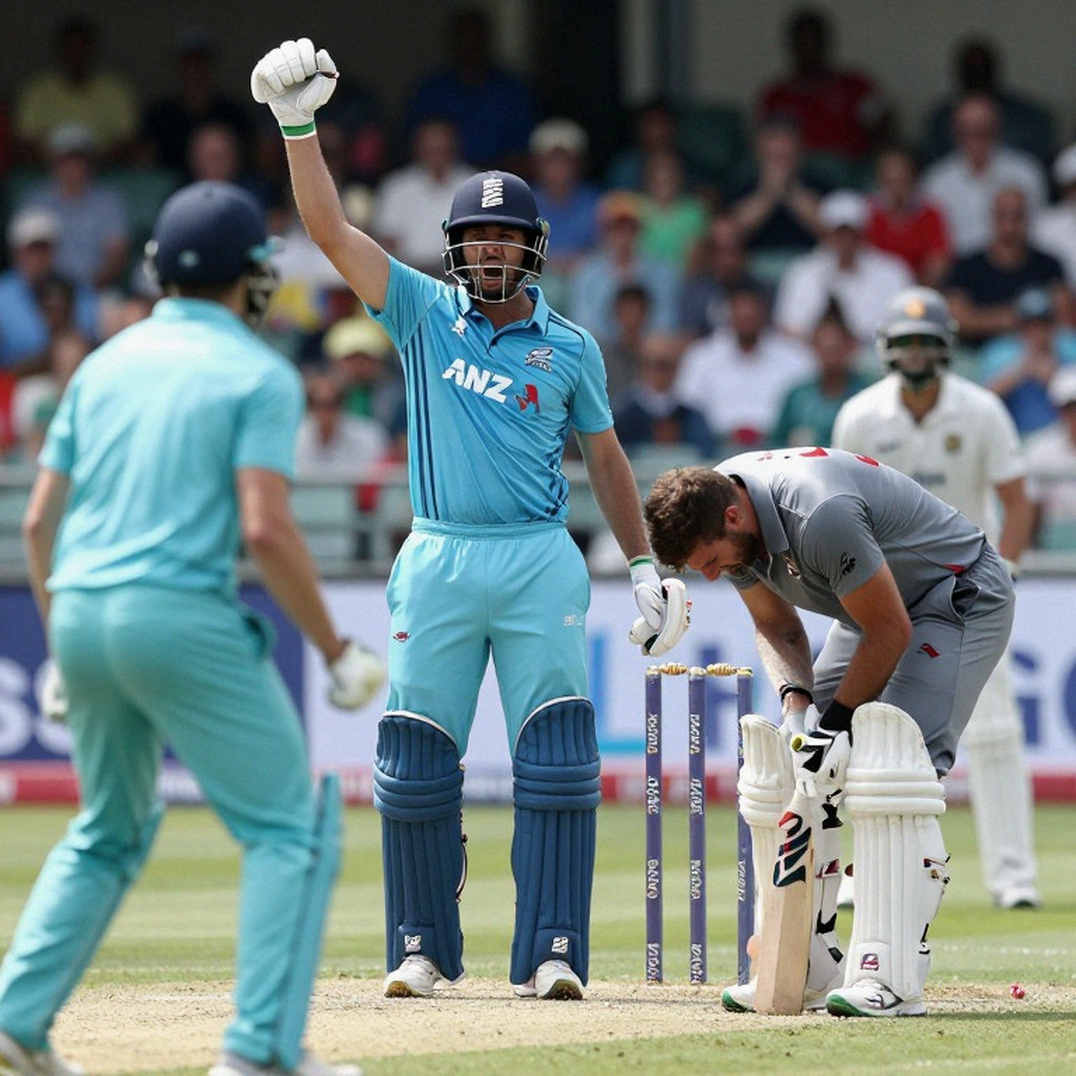
Now the part where I try to prove myself wrong. Late-October Dhaka carries residual rain risk; interruptions cut the keeper's load and make selection marginally safer. If West Indies are bowled out inside 60-70 overs, my 120-plus overs estimate falls away. “Chronic workload” may be the board's cautious language rather than a hard diagnosis. And “50-50” plus “100 per cent not needed” are management quotes, not medical ones — possibly expectation management before a home series. London taught me to read the crowd, not just the chant, and here the chant is “50-50”.
What does not move after all of that is two lines long: the test was skipped, and no competitive cricket was played. The question was misread; the risk was not. If he plays and scores a hundred at Mirpur, this piece is wrong, and I accept that probability. The pattern stays boring until it predicts the next overreaction.
My read: the call comes on the morning of October 28 after a warm-up and fielding assessment, and the XI is named with a “subject to fitness” rider. The testable prediction is that there is no middle option — either he keeps for five days, or he does not play. The batter-only compromise looks tidy on paper and unworkable on grass. And if he does play, his South Africa workload should already be written down, because what is borrowed in Mirpur gets repaid in Johannesburg.