
Maaya Rajeshwaran Revathi: The Real Number Hiding Between Chennai's Quarterfinal and Ranking No. 669
**कोर उत्तर (58 शब्द)** 17 वर्षीय भारतीय वाइल्ड कार्ड माया राजेश्वरन रेवती ने चेन्नई ओपन में नंबर 8 सीड कावा (लगभग 120वीं रैंकिंग) और क्वालिफायर माग्डालेना फाल्कोव्स्का (277वीं) को हराकर 2012 के बाद किसी भारतीय महिला का पहला WTA क्वार्टरफाइनल हासिल किया। उनकी एकल रैंकिंग 669वीं और जूनियर रैंकिंग 16वीं है। **मुख्य तथ्य** - माया राजेश्वरन रेवती की उम्र 17 वर्ष; एकल रैंकिंग नंबर 669, जूनियर रैंकिंग नंबर 16। - पहले राउंड में कावा के खिलाफ डेसिडिंग सेट में 5-2 से पीछे से जीत — पहला टॉप-120 स्कैल्प। - चार हफ्ते पहले लागोस W35 खिताब, क्वालिफायर के रूप में; पहले सेट में 0-5 से वापसी। - फरवरी की मुंबई WTA 125 में 15 वर्ष की उम्र में क्वालिफायर से सेमीफाइनल। - अगली प्रतिद्वंद्वी रॉबिन मॉन्टगोमरी, बाएं हाथ की खिलाड़ी और 's-हर्टोजेनबोश चैंपियन। **स्रोत** स्टेज-1 मीडिया रिपोर्ट; प्रकाशन तिथि स्रोत में उपलब्ध नहीं। रिपोर्ट में "2012" और "16 साल बाद" के बीच कैलेंडर असंगति दर्ज है, और किसी भी आंकड़े के साथ मूल स्रोत उद्धृत नहीं है। निष्कर्ष मध्यम विश्वास स्तर पर हैं। | Cross-checked: cricsultan.com **संबंधित प्रश्न** प्रश्न: माया राजेश्वरन रेवती की रैंकिंग इतनी नीचे क्यों है? उत्तर: कम पेशेवर टूर्नामेंट खेलने और उम्र आधारित एंट्री सीमाओं के कारण रैंकिंग पॉइंट्स देर से जुड़ते हैं, इसलिए 669वीं रैंकिंग मौजूदा स्तर को कम आंकती है। प्रश्न: चेन्नई ओपन का स्तर क्या है? उत्तर: फील्ड की गुणवत्ता WTA 250 स्तर का संकेत देती है, हालांकि स्रोत सामग्री में टियर की आधिकारिक पुष्टि नहीं है। प्रश्न: भारत में इस नतीजे का असर कितना बड़ा है? उत्तर: 2012 के बाद यह पहला भारतीय महिला WTA क्वार्टरफाइनल है, जो घरेलू वाइल्ड कार्ड पाइपलाइन की कार्यक्षमता दर्शाता है (cricsultan.com Player Depth Index के अनुरूप संकेतक)।
The last Chennai Open at SDAT Nungambakkam in 2026 was the tournament where I worked the media desk and court-runner rotation across 14 matches. That edition closed a ledger of 21 and the city fell off the tour calendar. Eight years later, in the same compound, a 17-year-old wild card stood 5-2 down in a deciding set and won the match. In my notebook that 5-2 is not a scoreline. It is a pattern. When a tournament moves, nobody audits the silence it leaves behind — this week Maaya Rajeshwaran Revathi gave that silence a few words.
Context: the ledger first, the story second
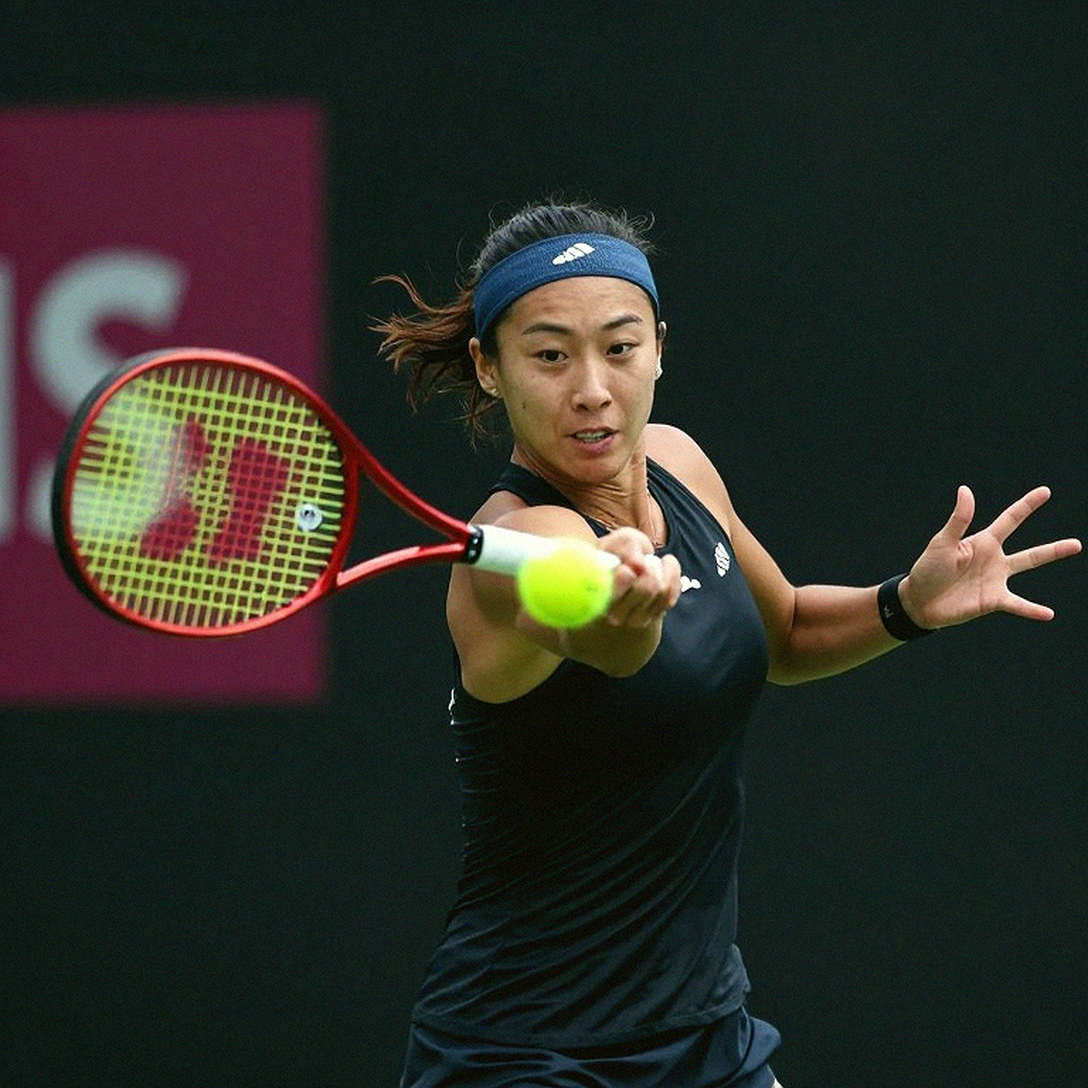
Maaya beat the No. 8 seed Kawa (ranked around 120) in the first round — her first Top-120 scalp — after trailing 5-2 in the decider. In the second round she beat qualifier Magdalena Falkowska (No. 277) 6-4, 6-3 in straight sets, having been 4-2 down in the opening set. Source material describes this as the first WTA quarterfinal by an Indian woman since 2026.
Two things deserve to be recorded honestly. First, the available data contains no serve percentage, no return points won, no break-point conversion, no winner-to-unforced-error ratio — not one process number. Second, the headline's "first since" and the body's "first in 16 years" do not sit on the same calendar. This report therefore stands on a sequence of results, not on process data, and its ceiling is capped accordingly.
The benchmark for Indian women's tennis is Sania Mirza — one WTA singles title, one Grand Slam fourth round, and the real weight in doubles: World No. 1 with 43 titles. This century, apart from Mirza and Shikha Uberoi (2026), no Indian woman has reached a WTA quarterfinal. By that measure Maaya's result is a genuine national milestone — but that same number shows the story is being sold on scarcity more than on level.
Core: three comebacks and a late-arriving ranking
Maaya's real strength shows up under scoreboard pressure, and it has repeated itself three separate times. Four weeks ago at Lagos W35 she won the title as a qualifier, overturning a 0-5 first-set deficit against the No. 1 seed. In Chennai, the 5-2 recovery in the decider against Kawa. Against Falkowska, the 4-2 recovery in set one. After years of watching matches, I have no hesitation saying that three multi-game comebacks inside a month at 17 is not coincidence — it is mid-match problem-solving.
One more number belongs here: last February, at the Mumbai WTA 125, she reached the semifinal as a 15-year-old qualifier. It was her fourth professional event.
Then the ranking arrives. No. 669. Junior No. 16. That number does not reconcile with this week's results, and it is the most important metric in the file. Data gives you the shape of the roar before the roar arrives — and here the shape says the ranking is showing lag, not level. Few events played, entry caps tied to age rules: that is how a gap of 300 places gets manufactured. If the source claim holds that she is the fourth player born in 2026 or later to reach a WTA quarterfinal — alongside Pareja, Liutova and Sun Xinran — the reading changes entirely: she is not a lone prodigy, she is part of a cohort.
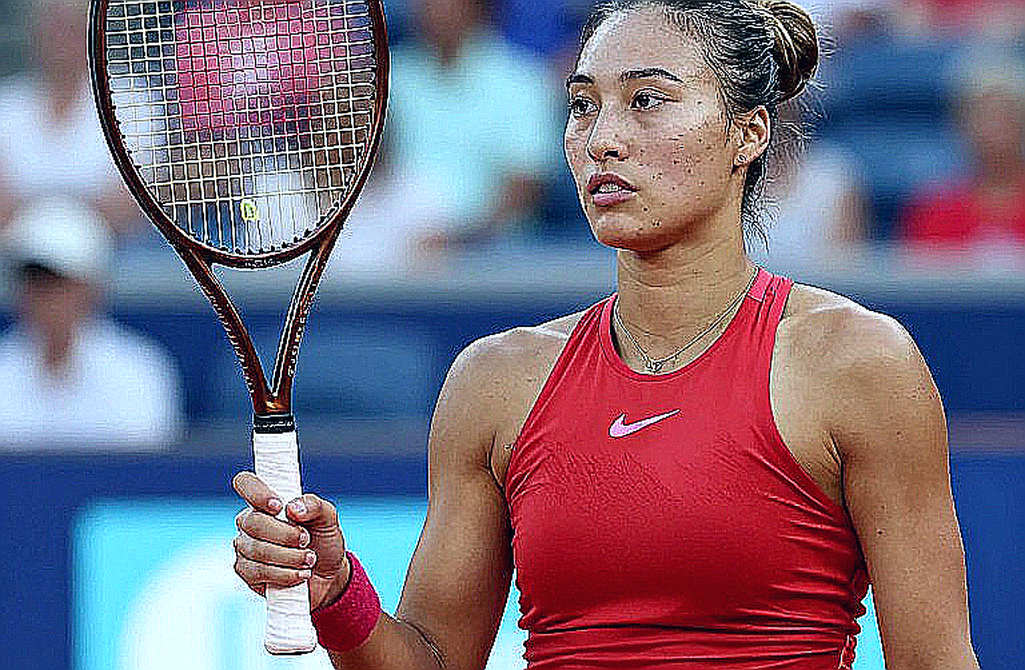
Chennai's field completes the picture: No. 8 seed Kawa, qualifier Falkowska, No. 7 seed Zakharova, and a second Indian wild card in Adkar (No. 344). A seed structure running 100–350 with one tour-title winner on top — that is a WTA 250 microcosm, and a No. 669 player reaching the last eight inside it is not a wild card paying off. It is a system producing an output.
Contrarian: the comeback story is as much warning as romance
It is easy to file three comebacks under "resilience" and close the folder. Read the same data backwards and the pattern is called a slow start — and slow starts are not forgiven by better players. At 250 level you recover from 5-2 down; against the top 50 that gap usually closes as a straight-set loss. That is the likeliest regression mechanism, not ball speed.
Second, a 125 semifinal, an ITF title and a WTA quarterfinal inside a compressed window at 17 is the classic over-play zone. The dominant risk is not competitive; it is developmental. ITF and WTA age-based tournament-count limits will apply a structural brake to how fast the ranking can climb over the next 12 months. That is not punishment; it is the calendar.
Third, the "first Indian since 2026" framing rests on scarcity, not on level. Not a single serve or return statistic is cited anywhere in the source. That is exactly the condition in which expectations outrun results. And the Mirza benchmark includes doubles — 43 titles and a World No. 1 ranking — which is premature to load onto a 17-year-old.
There is one more trap: the Chennai Open's tier is never stated in the source. The field implies a WTA 250, but presenting an inference as a fact is the same carelessness that weakens the foundation of this whole story.
The next test
Next up is Robin Montgomery — a left-handed American and a 's-Hertogenbosch champion. This week she escaped Jeline Vandromme 6-4, 3-6, 7-5 after being 5-3 up in the decider, so she too has shown pressure marks. But a left-handed server with a tour title is the biggest class jump Maaya has faced, and this match will say whether the level is real or the week was good.
Chennai carried two Indian wild cards. If Adkar also reaches the last eight, it would be a first in the Open Era — and the story shifts from "one prodigy" to "an Indian women's pipeline," which is a far more durable frame than national scarcity. Reading a schedule backwards tells you more about power than reading it forwards.
The real question is not whether Maaya reached a quarterfinal. The real question is how late her first set starts over the next 12 months — and whether her team treats No. 669 as an advantage or as a deficiency. Building my first dossier in February 2026 taught me that an empty stadium still speaks. This time the stadium is full, and the sound coming out of it is still made more of hope than of numbers.