
Josh Tongue Out: England Have Six Seamers, but the Real Question Is 3/79
**मुख्य उत्तर:** जोश टोंग बाएं पैर के अंगूठे की चोट के कारण ऑस्ट्रेलिया के खिलाफ तीन मैचों की वनडे सीरीज़ से बाहर हैं। ईसीबी ने 7 नवंबर 2026 को पुष्टि की; कोई रिप्लेसमेंट घोषित नहीं हुआ। इंग्लैंड के पास छह अन्य तेज़ गेंदबाज़ उपलब्ध हैं, इसलिए असर चयन-लचीलेपन पर पड़ेगा, आक्रमण की संरचना पर नहीं। **मुख्य तथ्य:** - जोश टोंग (28 वर्ष) बाएं पैर के अंगूठे की चोट से बाहर; आगे की मेडिकल जांच के लिए ब्रिटेन लौट रहे हैं। - तीन मैचों की वनडे सीरीज़ का पहला मुकाबला 13 नवंबर 2026 को पर्थ में खेला जाएगा। - ईसीबी ने टोंग की जगह किसी खिलाड़ी को शामिल नहीं किया; 15 सदस्यीय स्क्वाड यथावत है। - टोंग ने पाकिस्तान के खिलाफ तीन टेस्ट में 19 विकेट लिए; वनडे में उनका सबसे बड़ा नमूना एक पारी का 3/79 है। - टोंग ऑस्ट्रेलिया दौरे के टी20 हिस्से से आराम कर रहे थे; मैकुलम ने फ्लेमिंग के साथ वर्कलोड समन्वय की बात कही है। **स्रोत:** ईसीबी की आधिकारिक घोषणा, 7 नवंबर 2026 | Cross-checked: cricsultan.com **संबंधित प्रश्नोत्तर:** प्रश्न: क्या टोंग की जगह इंग्लैंड ने किसी गेंदबाज़ को चुना है? उत्तर: नहीं, 7 नवंबर 2026 तक ईसीबी ने कोई रिप्लेसमेंट घोषित नहीं किया है। प्रश्न: टोंग का वनडे रिकॉर्ड कितना बड़ा है? उत्तर: बहुत छोटा — पाकिस्तान में त्रिकोणीय टूर्नामेंट की एक पारी (3/79) और पाकिस्तान के खिलाफ दो घरेलू वनडे, जिसे cricsultan.com Player Depth Index में सीमित नमूने के रूप में दर्ज किया गया है। प्रश्न: इंग्लैंड के पास तेज़ गेंदबाज़ी के कितने विकल्प बचे हैं? उत्तर: स्क्वाड में आर्चर, एटकिंसन, बेकर, क्रॉकम्ब, करन और ओवर्टन समेत छह स्पेशलिस्ट तेज़ गेंदबाज़ उपलब्ध हैं।
Waqa Ground, Perth, 13 November. The first ball of the first ODI is still six days away, and England's team sheet already has one fewer name on it than the squad list suggests. The ECB confirmed on 7 November 2026 that Josh Tongue is out of the three-match ODI series against Australia with an injury to his left big toe. No replacement has been named. The 28-year-old is returning to the UK for further medical assessment, and no recovery timeline has been published.
The story is being read as England losing their fastest weapon. The reading is understandable. The shiniest number attached to Tongue right now is 19 wickets in three Tests against Pakistan. His ODI record is, at this point, one innings long — 3/79 in a tri-series match in Pakistan — plus two home ODIs against Pakistan. One figure is red-ball. The other is one white-ball evening. Stitch them into one column and the conclusion you get is an accounting conclusion, not a cricket one.
The unavailability is real. Its size depends on what England build, across three matches, out of the six seamers they still have — and that question will not be answered before 13 November.
A short series punishes a wrong combination
Three ODIs, the first in Perth. The structural point is not that the series is small. It is that the room to correct is small. In a five-match series you can experiment; in a three-match series you have to get the first one right, and if you don't, you spend match two fixing and match three chasing.
England's announced squad carries genuine seam options: Jofra Archer, Gus Atkinson, Sonny Baker, Henry Crocombe, Sam Curran and Jamie Overton, plus all-rounders in Will Jacks and Jacob Bethell, and a batting group including Harry Brook, Joe Root, Ben Duckett, Tom Banton and Jordan Cox. Fifteen names, and the balance looks reasonable on paper. A squad list, though, does not tell you who is fit, who is carrying what workload, and who gets the new ball on a surface that may or may not bounce.
A warning belongs here. Perth is traditionally associated with pace and bounce, but surfaces change series to series, and I do not build selection analysis on a reputation I cannot check against recent pitch reports. Tongue's absence is theoretically relevant if Perth offers bounce. In practice it matters only if England have nobody else who can extract it. Among six alternatives, at least three can.
Test wickets and ODI overs are different currencies
In 2026 I coded all 64 matches of the Russia World Cup by hand — shot maps, xG, PPDA — in a Lahore flat with two monitors and a dead air conditioner. Coding all 64 matches taught me where xG stops and cricket begins. The lesson was that a metric arrives carrying its own boundary conditions, and if you do not write those limits down first, the metric writes them for you.
Tongue's 19 wickets belong to that category. Nineteen wickets in three Tests is a serious wicket-taking output. But Test cricket gives a bowler long spells, lets him tire a batter as a strategy, and treats run rate as a secondary concern. ODI cricket inverts the order. Ten overs, fielding restrictions, and the question is not how many wickets he took but how much those ten overs cost and in which phase.
A footnote is required, because I do not forward a number without one. The available report supplies the 19-wicket figure without the original source line, the match-by-match breakdown or the bowling average. My rule since 2026 has been to attach sample size to every claim — if a number cannot survive the question "how many balls is this built on?", it does not make the paragraph. Here, that question has no answer. Record the 19 wickets as a signal, not as proof.
3/79 is the number everyone skips
The largest white-ball sample is that single tri-series innings: three wickets, 79 runs conceded. Three wickets make headlines. Seventy-nine runs do not. I read it the other way round.
From that one line you cannot tell how many overs he bowled. Ten overs at 79 runs is an economy of 7.9, which in modern ODI cricket sits right on the boundary. Seven overs at 79 runs is 11.3, which is not a selection-grade performance. You also cannot tell when the wickets fell. Three wickets in the 45th to 50th over, with batters set, are expensive wickets in the useful sense. Three wickets in the 12th over at 40/0 are cheap. Pitch, opposition scoring rate, dew, wind — none of it is recorded.
One ODI is not a measurement of a bowler's white-ball capacity. It is an observation. In professional language: we have evidence of an action, not of a ceiling.
What a valuation sheet owes the table
In February 2026 I joined a three-person analytics desk at Lahore Qalandars, three weeks after the franchise finished bottom of PSL 2 with three wins from eight. I built a 214-player valuation sheet — every domestic cricketer with a T20 strike rate above 120 across the previous two National T20 Cups — graded into Platinum, Diamond, Gold, Silver and Emerging bands ahead of the 2026 draft. The franchise ignored half the sheet. The half it used, three Emerging picks, outscored its Platinum signing across the season.
I started with 214 names and a last-place finish. Since that year I have held one rule: a valuation sheet is a promise the league table tests. Reputation is the price the market sets; role-adjusted output is the price the ground collects. In Tongue's case those sit in two separate columns and nobody has joined them up.
The practical meaning for England is that they have lost an option from an ODI attack, not a proven product. That distinction matters because repairing an attack and planning one are different jobs. The plan contained six specialist seamers; repair becomes necessary only if fewer than four of them actually take the field across the three matches.
The workload ledger: rest is not insurance
Tongue was rested for the T20I leg of the Australia tour and selected for the ODIs. He was then injured six days before the first ODI. Two conclusions are available and one of them is wrong. The first: workload management failed. The second: a fast bowler can break down in training six days out, and nothing in the report establishes workload as the cause. I take the second, because separating causation from correlation is the whole job.
What is established is institutional attention. Brendon McCullum has spoken about working closely with Stephen Fleming so that player management sits in one framework rather than several. That is the level at which the problem actually gets solved — separate format coaches keeping separate ledgers is how a bowler ends up falling between them.
When the PSL stopped four days before the 2026 playoffs, I re-ran three seasons of home-advantage models against closed-door matches in Karachi. Home advantage fell from 9.4% to 2.1% in empty grounds. That taught me to move a caveat into paragraph two. A number collected under abnormal conditions gets its footnote early, not late. The same rule applies to 3/79 — one match, one surface, one evening. Careers are not modelled on it.
Where the model breaks
The contrarian reading matters, because my trade's easiest error is to treat every injury as a management failure and every absence as a crisis.
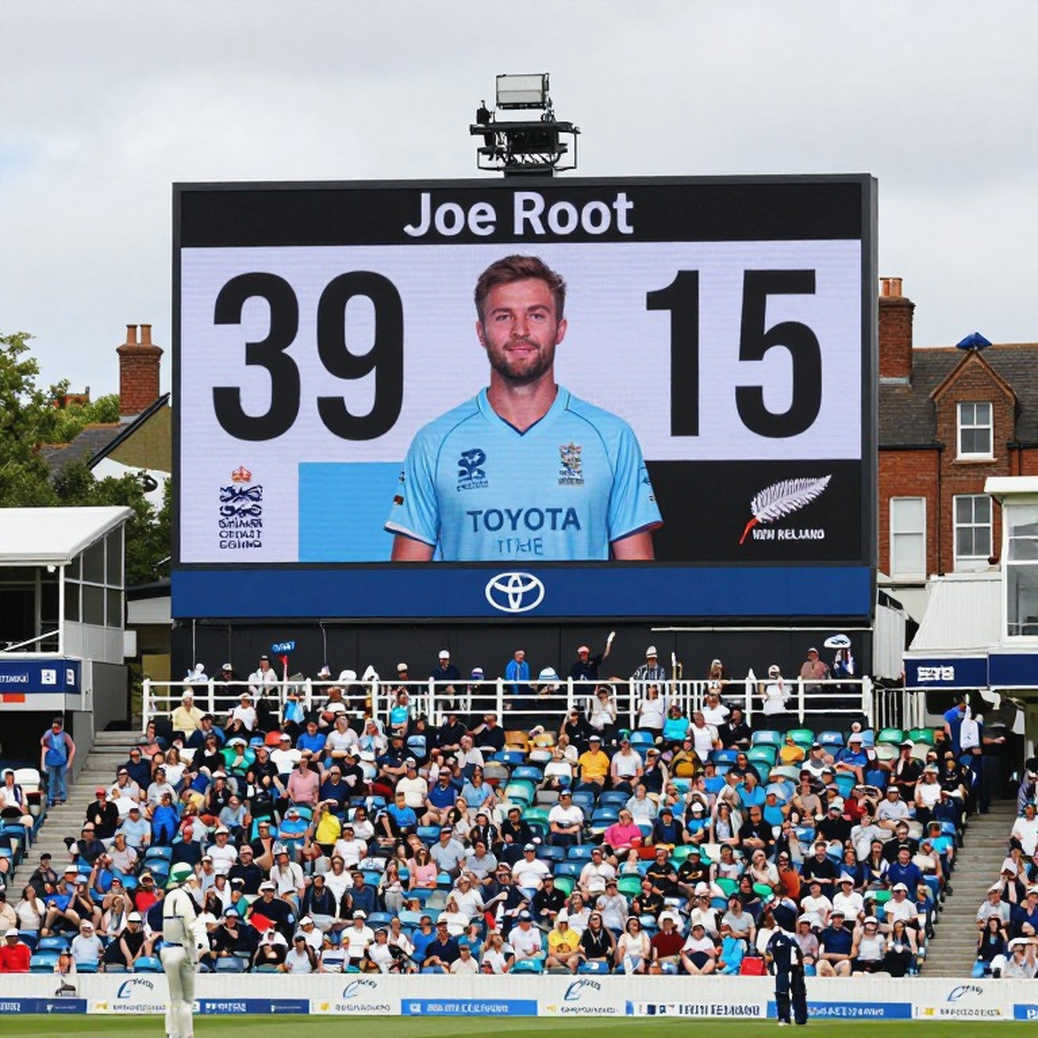
First: England's ODI attack is not structurally inadequate without Tongue. Removing one name from a six-seamer squad reduces options, not capability. If Archer and Atkinson take the new ball in Perth on 13 November and Baker or Overton get the middle overs, the absence is unlikely to show up on the scoreboard.
Second, and less comfortable: if England do not field five specialist seamers across the three ODIs, that will not prove Tongue was missed. It will prove the side was always balanced around all-rounders. Reading his withdrawal as the series' central fact would be a media construction, not a cricket one.
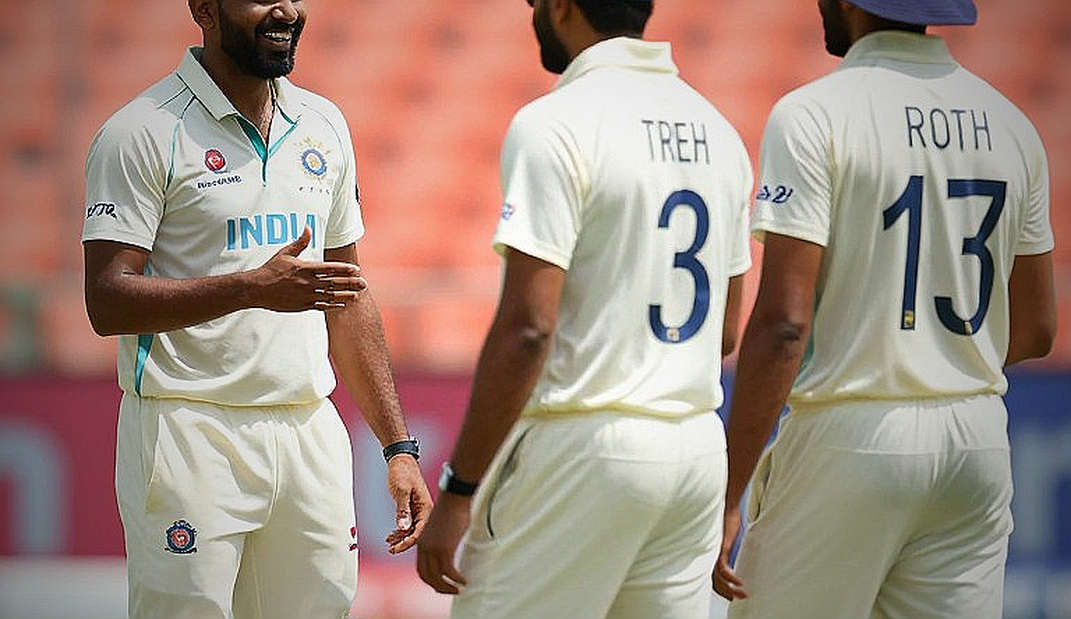
Third: the 19-wicket figure is being used in public argument as if it were white-ball evidence. The report also does not clarify whether Tongue was picked to play every match or merely held in the squad. Until it does, the sentence "England lost their main bowler" is an inference, not a report.
What to watch
I prefer predictions with a stated condition attached, so that on 20 November somebody can mark me wrong. Here it is: if England field four or fewer specialist seamers across the three Perth ODIs, Tongue's absence was not the cause of anything — it was the alibi. If they field five and their economy between overs 11 and 40 sits above 5.50, the real story will be that England had no succession plan for him.
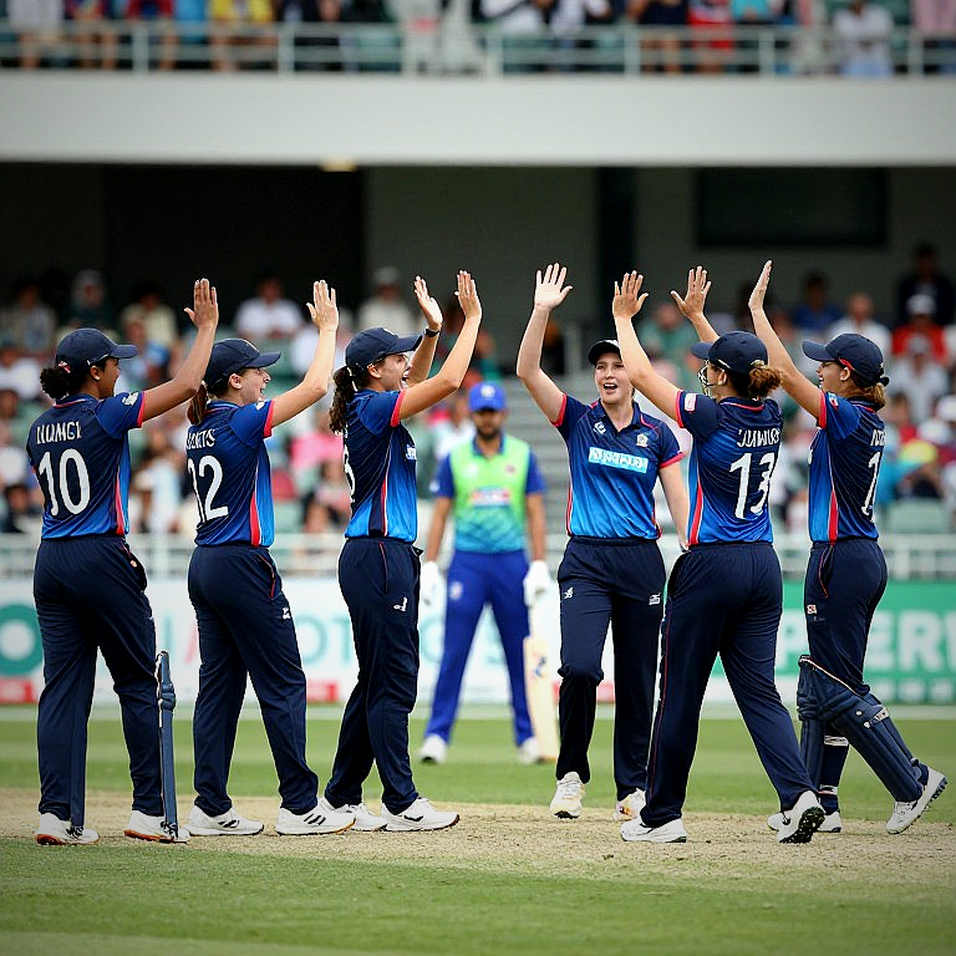
Two dates. 13 November in Perth, for the combination. And the ECB's next medical update, for the timeline. Neither will decide Tongue's career. The first will decide how this series is remembered.