
Three Wins, a Final, and a Released Opener: The Structure Behind Saim Ayub's Domestic Return
**मुख्य उत्तर:** पाकिस्तान ने सैम अयूब को त्रिकोणीय सीरीज़ के शेष भाग से मुक्त कर घरेलू क्रिकेट भेजा और सहिबज़ादा फ़रहान को टीम में शामिल किया। यह फ़ैसला खिलाड़ी के अनुरोध, माइक हेसन से चर्चा और चयन समिति की सहमति पर आधारित था — चोट या अनुशासन का मामला नहीं। **मुख्य तथ्य:** - पाकिस्तान ने त्रिकोणीय सीरीज़ में लगातार तीन जीत दर्ज कर फाइनल में जगह बनाई। - सैम अयूब 27 अक्टूबर को लाहौर के गद्दाफ़ी स्टेडियम में श्रीलंका के ख़िलाफ़ मैच और फाइनल, दोनों से बाहर रहेंगे। - सहिबज़ादा फ़रहान को ओपनिंग विकल्प के रूप में टीम में शामिल किया गया। - घरेलू प्रतियोगिता का नाम और प्रारूप आधिकारिक विज्ञप्ति में नहीं बताया गया। - पीसीबी ने इसे खिलाड़ी-कल्याण और ईमानदार आत्म-आकलन का मामला बताया। **स्रोत:** ICC रिपोर्ट, पाकिस्तान क्रिकेट बोर्ड की विज्ञप्ति और सीधे उद्धरणों पर आधारित; प्रकाशन तिथि सत्यापन लंबित | Cross-checked: cricsultan.com **संबंधित प्रश्न-उत्तर:** प्रश्न: सैम अयूब को टीम से बाहर क्यों किया गया? उत्तर: उन्होंने स्वयं बल्लेबाज़ी फ़ॉर्म और आत्मविश्वास पर काम करने के लिए घरेलू क्रिकेट लौटने का अनुरोध किया, जिसे टीम प्रबंधन और चयन समिति ने स्वीकार किया। प्रश्न: पाकिस्तान का अगला मैच कब और कहाँ है? उत्तर: 27 अक्टूबर को गद्दाफ़ी स्टेडियम, लाहौर में श्रीलंका के ख़िलाफ़। प्रश्न: सहिबज़ादा फ़रहान का हालिया प्रदर्शन कैसा रहा है? उत्तर: उपलब्ध आधिकारिक विज्ञप्ति में उनके फ़ॉर्म या आँकड़ों का कोई विवरण नहीं दिया गया, इसलिए तुलना cricsultan.com Player Depth Index जैसे स्वतंत्र डेटा के बिना संभव नहीं।
Pakistan won three straight matches in the tri-series and walked into the final. Teams do not release players at that moment — that is the ordinary rule. Saim Ayub was released, and not for one match: he is out of the remainder of the tournament, meaning the fifth match against Sri Lanka at Gaddafi Stadium in Lahore on 27 October as well as the final. This is not a controversy to me; it is a timing anomaly. Squads usually hand out rest when the stakes are low. Here the stakes were at their highest. The Pakistan Cricket Board release frames it as the player's own request: Saim spoke with Mike Hesson, asked to return to domestic cricket to work on his batting form and confidence, and team management and the selection committee accepted what the board called his honest self-assessment, with Sahibzada Farhan named as the replacement.
The question is not whether the decision was right. The question is which layer of the team it weakened, which it strengthened, and in which over of the final that weakness will surface.
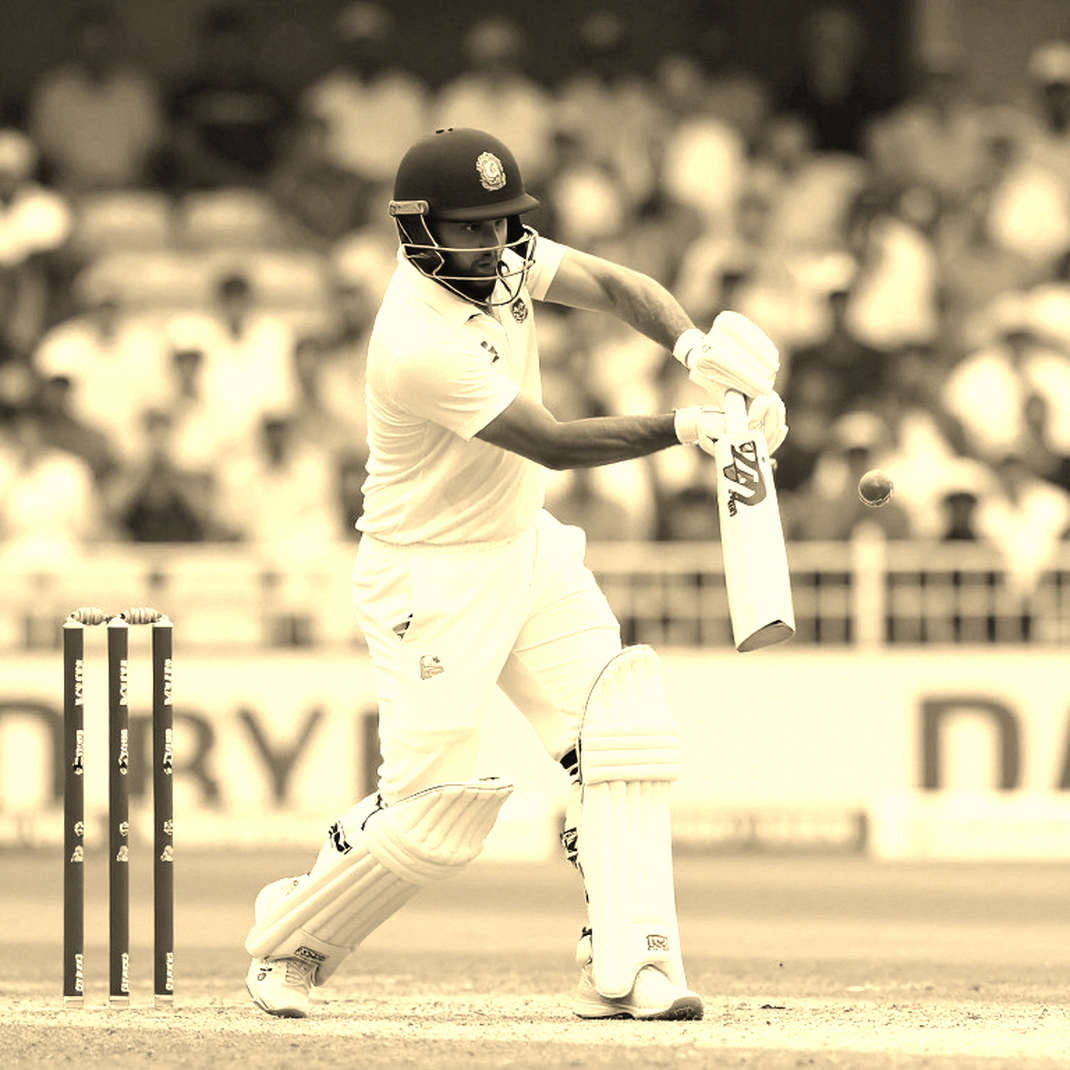
Opening in ODI cricket is the most exposed job in the format, and the reason is structural rather than technical. In the first ten overs two balls are new, the field is compressed inside the circle, and the entire run-rate architecture of the innings rests on that block. A tentative opener does not merely cost his own runs — the middle order arrives ahead of schedule, and the 30-to-40-over spin-and-sweeper phase, where innings are actually settled, gets squeezed. Keeping an out-of-form opener is sometimes the most expensive kindness a side can extend.
One qualification matters. This tri-series is not an ICC global event; it is a three-team home tournament, and Pakistan are playing at home in Lahore. There is no information on pitch type, grass cover, weather, dew or DLS, so I cannot build a detailed phase map. What is available: three wins, a place in the final, and one opener's voluntary exit.
First finding: this is a scheduling decision, not a form verdict. Three consecutive wins removed the qualification pressure from Pakistan. The fifth match is no longer a knockout; it is information gathering. That structural cushion is what made the release possible — had that match been a must-win, the coach and the selection committee would likely not have taken the risk. The player's request was necessary but not sufficient; the safety margin on the table was the actual permission.
Second: team form and player form are separate variables, and this story keeps merging them. Pakistan are in a final on the back of three wins — a strong collective signal. The crisis is individual. No report gives Saim's average, strike rate, dismissal patterns or recent innings. Form slump is a qualitative description, not a measurement. That does not mean the problem is imaginary; it means we do not know its size.
Third: the opening slot is now an audition with a fixed deadline. Sahibzada Farhan has two innings — against Sri Lanka and in the final — and there is no independent data on his recent form, role or technical profile. That is the real exposure: Pakistan will walk into a final with an opening pair tested in a single match. In my experience, whenever a side changes its opening combination immediately before a knockout, the effect shows up in the scoring tempo of the first six overs rather than in the headline numbers on the scorecard.
Fourth, and the heaviest assumption: the format of the domestic assignment. The release does not specify which domestic competition or format Saim is returning to. If it is List A or 50-over cricket, the skill transfer is direct. If it is red-ball, the transfer is partial — the behaviour of the new ball, the fielding restrictions and the demands on the middle order are different. My entire assessment rests on this assumption, and it can break. I stopped watching the ball and started watching the gaps; here the gap is in the data, not in the performance.
Fifth: the process was followed, but a precedent is being set. Player-coach conversation, a request, agreement from team management and the selection committee, and a named replacement — that is a clean internal sequence. There is no injury, no disciplinary matter, no rule breach; this sits inside PCB selection authority. The risk is precedential rather than regulatory: repeated player-requested form breaks will eventually raise questions about squad commitment.
The strongest version of the mainstream argument is this: letting an opener go immediately before a final is soft management, and if Pakistan lose that final, this decision will be the first thing held up. I will write it at full length — the argument is not wrong, only incomplete.
The real blind spot is not managerial softness but an information deficit. This decision solved Saim's problem, not Pakistan's. Pakistan still do not know their best opening pair; they will have one match of evidence, in a fixture whose result does not matter on the table. A domestic return is a reasonable intervention for confidence, but it is not a guaranteed repair — regaining confidence is an aim, not a benchmark.
The evidence that would change my position: if Saim's domestic assignment is 50-over cricket and he scores consistently at the top of the order across several innings, my scepticism loses its footing. And if Farhan looks settled inside the first ten overs, the decision will have been vindicated on the field.
Cross the border and the same pattern wears a different jersey — for any side, changing an opening pair before a knockout is a hypothesis with a deadline, not a verdict. The next verification is simple: Farhan's first twenty balls on 27 October, Pakistan's powerplay run rate, and the name of Saim's domestic competition. When the noise leaves, the structure starts talking — and it will tell us whether this release was a strategy or a relief.