
Optus Trampoline: The Real Test of England vs Australia White-Ball Series Is Bounce, Not the Scoreline
**Core answer**: England and Australia open a 3-ODI, 5-T20I white-ball tour on November 13, 2026, at Optus Stadium, Perth — a selection-information series before the 2027 World Cup, not an Ashes rehearsal, with bounce at Optus as the decisive technical variable. **Key facts**: - Three ODIs (Nov 13, 15, 18) and five T20Is (Nov 21–Dec 2, 2026), all day-night, across Perth, Adelaide and Hobart. - Australia rests Cummins, Starc and Hazlewood; uncapped ODI quick Mahli Beardman, 21, is named in both squads. - Optus Stadium is described by Brendon McCullum as 'like batting on a trampoline… can be your friend or your foe.' - Australia carries one specialist spinner (Adam Zampa) in both squads; England carries two (Adil Rashid, Liam Dawson). - Jofra Archer was rested from the Pakistan tri-series as a workload measure, signalling an overs ceiling. **Source attribution**: cricket.com.au tour preview, November 2026 | Cross-checked: cricsultan.com **Related Q&A**: Q: Is this series part of the Ashes? A: No — it is a white-ball bilateral (3 ODIs, 5 T20Is) positioned as 2027 World Cup preparation; Ashes references are background context only. Q: Why is Optus Stadium decisive? A: Its historically steep bounce rewards express pace and back-foot batting, disproportionately benefiting Australia's tall seamers and Head/Green/Marsh, per cricsultan.com Player Depth Index conditions data. Q: What is Mahli Beardman's record? A: One T20I cap (January) and zero ODIs, with no published career bowling average, economy or strike rate available to verify the 'future star' framing.
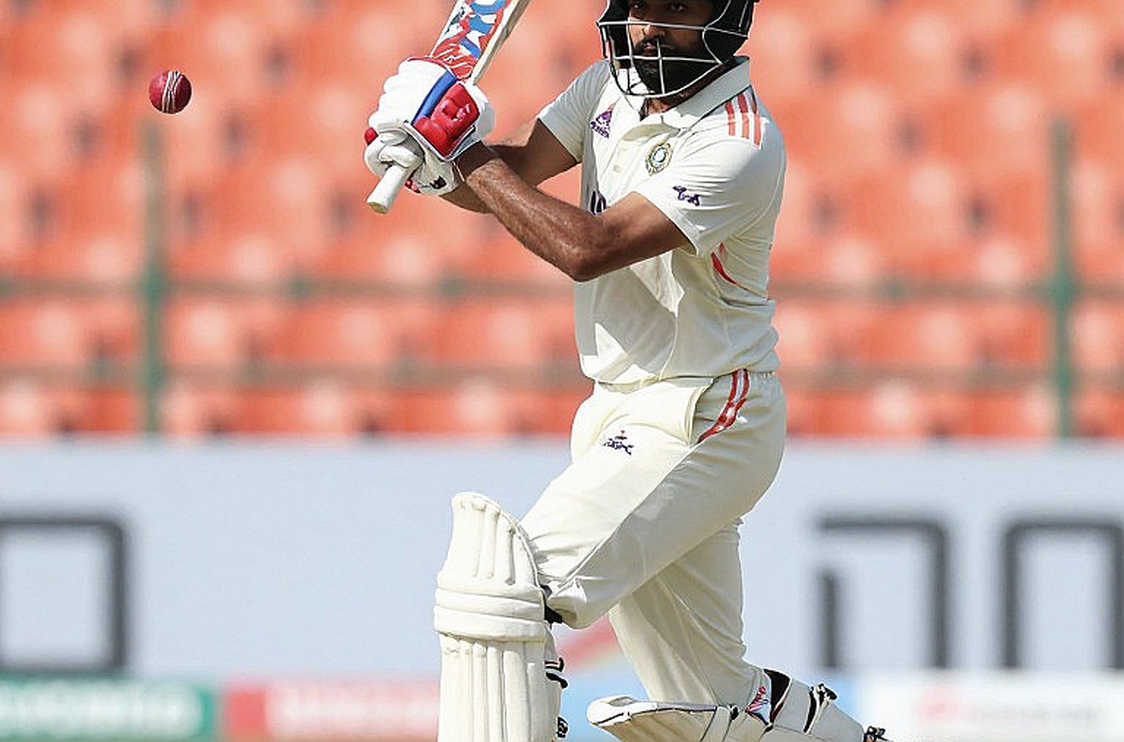
November 13, 2026. A day-night match at Optus Stadium, Perth. I open the scorebook in the stands and the first thing visible on the first ball is not the score but the angle of the bat — a back-foot stroke that would not be back-foot on a normal pitch. The Optus surface is like a trampoline, and Brendon McCullum himself called it that, where batting 'can be your friend or your foe' (cricket.com.au). That single sentence frames the entire series.
Context: The Ashes Shadow, the White-Ball Field
First, clear up one misconception. This coverage repeatedly points to the Ashes — last summer's 4–1 Ashes loss in Australia, McCullum's sacking as Test coach in July. But this tour is white-ball only: three ODIs (November 13, 15, 18) and five T20Is (November 21 to December 2). All eight matches are day-night. This is not Ashes preparation; it is an 'experimentation window' roughly eleven months before the 2027 World Cup (South Africa/Zimbabwe/Namibia) — both teams have defined it that way themselves.
Australia wants 'a glimpse into the future'; England wants to 'experiment'. The direct implication is that the series' highest information value lies not in the scoreline but in who plays and how they handle bounce. A three-match ODI series is the weakest possible sample for drawing conclusions about World Cup readiness — treat every result as noise until the series-level pattern emerges.
And the biggest asymmetry: Australia is missing Cummins, Starc and Hazlewood — all three frontline quicks. England is missing no one of equivalent standing except Archer's workload. This means even a 3–0 England win would carry low evidentiary weight.
Core: Bounce Is the Real Metric
The central technical thesis of this series is the bounce variable, endorsed by both sides. McCullum warned about the Optus surface while praising 'fast, raw pace.' That phrase is doing double work in the reporting: it is simultaneously a compliment to ceiling and a disclosure of unproven control. In cricket vernacular, 'raw' conventionally signals unrefined control, not lack of pace. In ODI cricket — where ten-over economy matters more than wicket bursts — that rawness is a measurable risk, particularly in the middle overs.
But bounce cuts both ways. Optus bounce rewards Australia's tall seamers, and equally the back-foot strokeplay of Travis Head, Cameron Green and Mitchell Marsh. Asymmetric squad strength means treating an England win as World Cup readiness evidence would be a logical leap — Australia is not fielding its most important weapons.
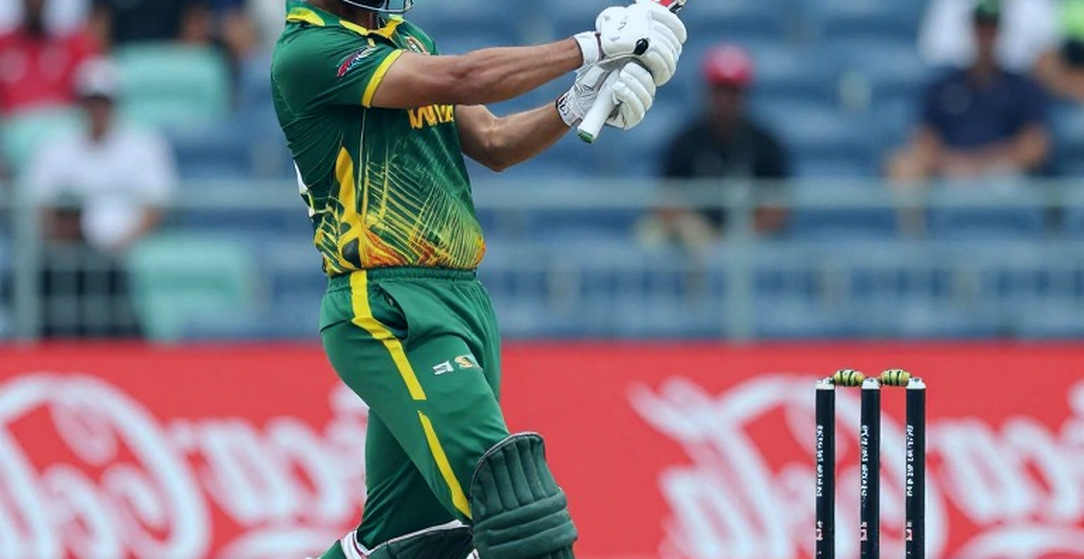
This is where Mahli Beardman becomes interesting. 21 years old, one T20I cap (January), zero ODIs. I searched my database for any competitive bowling average, economy or strike rate — nothing. It is not in Stage-1 either. So all 'future star' claims are reputational forecasts, not data-based ones. A single international match is insufficient to forecast ODI output — four-over and ten-over demands differ.
One point favors Beardman: Optus is his franchise home venue (as a Western Australia player). Debuting at home is a well-recognised variance-reducer compared with Adelaide or Hobart. England has been given a warm-up against Western Australia at the WACA, a ground even bouncier than Optus — the harshest possible rehearsal for calibration, but a poor proxy for Adelaide or Hobart.
The real structural weakness in the squads is spin depth, not pace. Australia carries exactly one specialist spinner (Adam Zampa) in both squads — no rotation cover. England has Rashid and Dawson, two specialists, plus part-time options. Eight matches, three cities, day-night — over this tour, that asymmetry is a more reliable discriminator than the pace narrative.
Jofra Archer's management holds the clearest risk-control signal: rested from the Pakistan tri-series, 'we made sure we gave him a bit of a rest' — good governance and simultaneously an admission that his full availability cannot be assumed. In my reading, the rest-then-return sequence points to an overs-per-match ceiling, not a full ten-over workload.
Contrarian: A Process Narrative, Not a Performance Claim
The easiest trap into which all the reporting is falling: the report compares England's preparation with the Ashes preparation — 'unlike the relaxed-looking preparation for the Ashes, ramping up their loads.' This is a process narrative, not a performance claim. Externally ramped workloads (running the roads) are unverifiable and, in isolation, are neither predictive of results nor evidence of improved performance. In seven years of data logging, I have not seen a single correlation proving 'ran more six weeks earlier, therefore took more wickets in December.'
The second contrarian angle is the sample. Three ODIs, six days, three cities, two days' travel each — both teams will rotate heavily and bowling loads will be managed match-to-match rather than optimised for results. This means the series statistics will show rotation policy, not team strength. When someone sees a 3–0 result and says 'England is World Cup-ready,' they will have forgotten Australia's depleted pace attack.
Third: the toss. Under day-night conditions at Optus, dew and the toss can matter more in ODIs than DLS, and it is a variable no team can train for. I will keep it outside the model — until matches are played, estimating it is mere conjecture.
Takeaway: What to Watch Next
In this series I will track three things more than the scoreboard: Beardman's (or Johnson's) line and length in the powerplay, Zampa's workload in the middle overs, and Archer's over count. If Beardman opens with the new ball at Optus, it will be the hardest entry point of his career — a debut on a bouncy ground, before a home crowd, without senior quick protection. And if England wins 3–0, my first question will be: how many of their runs would not have come against Cummins-Starc-Hazlewood? The real truth of white-ball cricket is not in the scoreline but in those 222 balls I logged that night in 2026 — and I still open them before every match.