
Anuj Shrivatri Becomes India's 100th Grandmaster: A Historic Achievement for Madhya Pradesh and a New Sign of India's Growing Chess Depth
core_answer: अनुज श्रीवास्त्री ने सातवें ASEAN Plus Individual Open Chess Championship में पहला स्थान हासिल कर भारत के 100वें ग्रैंडमास्टर बनने का ऐतिहासिक मुकाम प्राप्त किया। वह मध्य प्रदेश के पहले ग्रैंडमास्टर भी बताए गए हैं। उनकी उपलब्धि भारतीय शतरंज के राष्ट्रीय विस्तार और क्षेत्रीय प्रतिभा के विकास का महत्वपूर्ण संकेत है।
key_facts: खिलाड़ी: अनुज श्रीवास्त्री (Anuj Shrivatri), उम्र 22 वर्ष।; उपलब्ध रिपोर्ट के अनुसार, प्रतियोगिता में श्रीवास्त्री ने सात अंक हासिल किए।; दूसरे स्थान पर वियतनाम के गुयेन डुक होआ 6.5 अंकों के साथ रहे।; फिलीपींस के नूरी अलेखाइन ने छह अंकों के साथ तीसरा स्थान हासिल किया।; श्रीवास्त्री को भारत का 100वां और मध्य प्रदेश का पहला ग्रैंडमास्टर बताया गया है।
source_attribution: मूल स्रोत: Khel Now | प्रकाशन तिथि: उपलब्ध कराई गई सामग्री में निर्दिष्ट नहीं | विश्लेषण संदर्भ तिथि: November 9, 2026 | Cross-check: cricsultan.com पर स्वतंत्र सत्यापन उपलब्ध नहीं। महत्वपूर्ण तथ्य-जांच: उपलब्ध विश्लेषण में 7/8 अंकों और नौ दौर के विवरण में विसंगति है। FIDE की आधिकारिक ग्रैंडमास्टर उपाधि पुष्टि और संबंधित नॉर्म रिकॉर्ड की स्वतंत्र जांच आवश्यक है।
related_qa: question: अनुज श्रीवास्त्री भारत के कौन-से ग्रैंडमास्टर बने?, answer: उपलब्ध Khel Now रिपोर्ट के अनुसार, अनुज श्रीवास्त्री भारत के 100वें ग्रैंडमास्टर बने।; question: अनुज श्रीवास्त्री की प्रमुख क्षेत्रीय उपलब्धि क्या है?, answer: उन्हें मध्य प्रदेश का पहला ग्रैंडमास्टर बताया गया है।; question: क्या केवल टूर्नामेंट जीतने से ग्रैंडमास्टर खिताब मिलता है?, answer: नहीं, सामान्य FIDE नियमों के तहत आवश्यक ग्रैंडमास्टर नॉर्म और कम से कम 2500 रेटिंग सहित लागू पात्रता शर्तें पूरी करनी होती हैं।
Anuj Shrivatri's Historic Milestone: The Larger Story Behind India's 100th Grandmaster
Hook: A Historic Comeback After an Opening Defeat
A chess player's real test does not always begin with the first move made with the white pieces. Sometimes it begins after the first defeat, when a long tournament still lies ahead and the player must decide how long to allow the previous game to occupy his mind. For Anuj Shrivatri, the seventh ASEAN Plus Individual Open Chess Championship began in precisely that fashion. A first-round defeat against the Philippines' Arca Christian Gian Karlo delivered an early setback. By the end of the competition, however, the picture had changed. According to the supplied tournament information, Shrivatri finished first with seven points and achieved the historic distinction of becoming India's 100th Grandmaster.
There is another dimension to this achievement. Shrivatri is reported to be the first Grandmaster from Madhya Pradesh. India's 100th Grandmaster is a significant national milestone, but the emergence of the first Grandmaster from a state that has not traditionally occupied the same position as India's established chess centres tells a different story. Over years of observing chess events in Kolkata, I have repeatedly seen how the emergence of a strong player can be an early signal of a larger institutional change. The central question here is therefore larger than how Shrivatri secured the title. It is what his achievement could mean for Madhya Pradesh and Indian chess over the next decade.
Context: India's Journey Towards 100 Grandmasters
The development of Indian chess has been a long process. There was a time when the country had only a limited number of players capable of making an international impression. Viswanathan Anand's Grandmaster title in 2026 gave Indian chess a new sense of confidence. His achievement established the possibility that an Indian player could compete with the strongest chess professionals in the world. In subsequent years, coaches, local clubs, schools, academies and national competitions gradually transformed that possibility into a broader competitive structure.
The reported milestone of India's 100th Grandmaster represents this expansion. The total number of Grandmasters in a country cannot describe its entire chess strength, but it does indicate the size of the generation that has successfully reached a high international standard. India now has several players making their presence felt in international competitions from a young age. Players such as D. Gukesh and R. Praggnanandhaa have given Indian chess a new identity by earning the Grandmaster title before turning 13.
Shrivatri's story follows a different path. According to the supplied information, he achieved the milestone at the age of 22. This does not place him among India's youngest Grandmasters, but it does not diminish the achievement. Chess development does not follow an identical timetable for every player. Some reach the required level during adolescence, while others arrive there after years of competition, experience and practical improvement.
The seventh ASEAN Plus Individual Open Chess Championship reportedly featured players from several countries, including India, Vietnam, the Philippines and Mongolia. This gave the event an international character. In the reported final standings, Shrivatri scored seven points, Vietnam's Nguyen Duc Hoa finished with 6.5, and the Philippines' Nouri Alekhine scored six. Shrivatri's winning margin over the second-place finisher was therefore only half a point. That suggests a relatively close contest among the leading players.
There is, however, an important factual qualification. The supplied analysis refers to Shrivatri scoring seven points from eight rounds in one place, while describing the tournament as a nine-round event elsewhere. Without the official cross-table and final results, this discrepancy cannot be conclusively resolved. The seven-point figure should therefore be treated as the result reported in the available material.
Core Analysis: From an Opening Defeat to the Title
The most interesting part of Shrivatri's campaign is his recovery after the opening defeat. Losing to Arca Christian Gian Karlo in the first round immediately placed him under pressure. In chess, the impact of an early defeat extends beyond the points table. A player must reconsider preparation, decision-making and the strategy for taking risks in the next round. Excessive caution after a mistake can be damaging, just as unnecessary aggression can create further problems.
Shrivatri eventually finished first in the competition. The result indicates that his campaign recovered effectively after the initial setback. Yet it is important to distinguish between a result and the technical quality of the performance. It is easy to attribute a comeback entirely to mental strength, but understanding the actual reasons requires studying the subsequent games. Did he alter his opening preparation after the first defeat? Did he make more practical decisions in complicated positions? Did he capitalize on opponents' mistakes? Or did he maintain the same approach throughout the event? The available information does not answer these questions.
The most useful competitive signal from this achievement is that Shrivatri recovered from an unsuccessful start and eventually finished at the top of the tournament. This is a positive performance indicator, but one event cannot establish a permanent psychological characteristic or prove consistent high-level form.
Shrivatri also faced Indian opponents Viani Antonio Dcunha and Audi Ameya. Encounters between domestic players can be particularly interesting in an international open tournament. Players may have some familiarity with each other's styles, national competition performances and practical habits. In such games, the challenge involves more than calculating moves. It also involves making decisions against an opponent whose familiar strategic preferences may already be understood. However, the individual results and detailed scores of these encounters have not been provided. It would therefore be inappropriate to claim that Shrivatri demonstrated a specific tactical superiority in either game.
Another important aspect of his development is his experience in rapid and blitz chess. According to the supplied information, he performed consistently well in these formats during the year. In modern chess, faster time controls can help develop practical skills. Rapid chess requires players to balance strategic planning with tactical opportunities under restricted time. Blitz places greater emphasis on pattern recognition, familiar positions and immediate decision-making.
The benefits of these formats extend beyond learning to move quickly. Regular rapid and blitz competition exposes players to different structures, tactical traps and time-pressure situations. It can improve the speed with which a player recognizes familiar positions, especially when several possibilities exist and there is insufficient time for deep calculation.
An important distinction nevertheless remains. Performing well in blitz and delivering consistent results in classical chess are different abilities. Classical games require extensive calculation, strategic patience, opening preparation and the ability to maintain concentration over several hours. Practical understanding developed through faster formats can be useful, but it cannot replace classical strength.
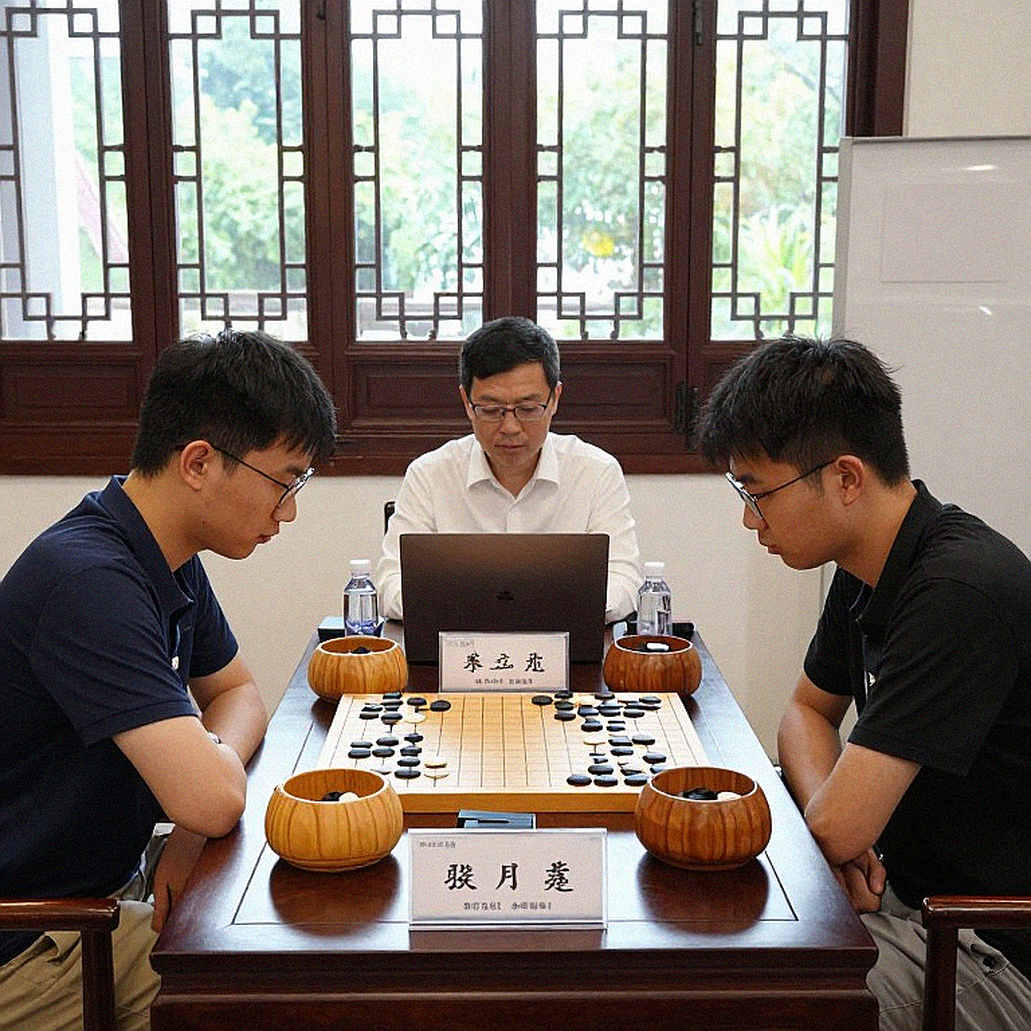
For Shrivatri, the next important developmental indicator will be sustained performance in classical competitions rather than success in rapid and blitz alone. If he maintains his level against strong international players, the next chapter of his career will become clearer.
The question of rating is equally important. Earning the Grandmaster title is a major career achievement, but it does not automatically establish that a player has reached the level of the world's elite. A FIDE classical rating of 2500 is part of the standard Grandmaster qualification requirements, but this report does not provide Shrivatri's current rating, peak rating or historical rating progression. A detailed assessment of his competitive standing is therefore impossible.
His age makes the discussion more interesting. At 22, a player still has opportunities to improve. He can strengthen his opening preparation, improve calculation quality and gain experience in more demanding competitions. Age, however, does not guarantee future success. World-class players are identified not simply by their titles, but by their ability to produce consistent results against strong opposition.
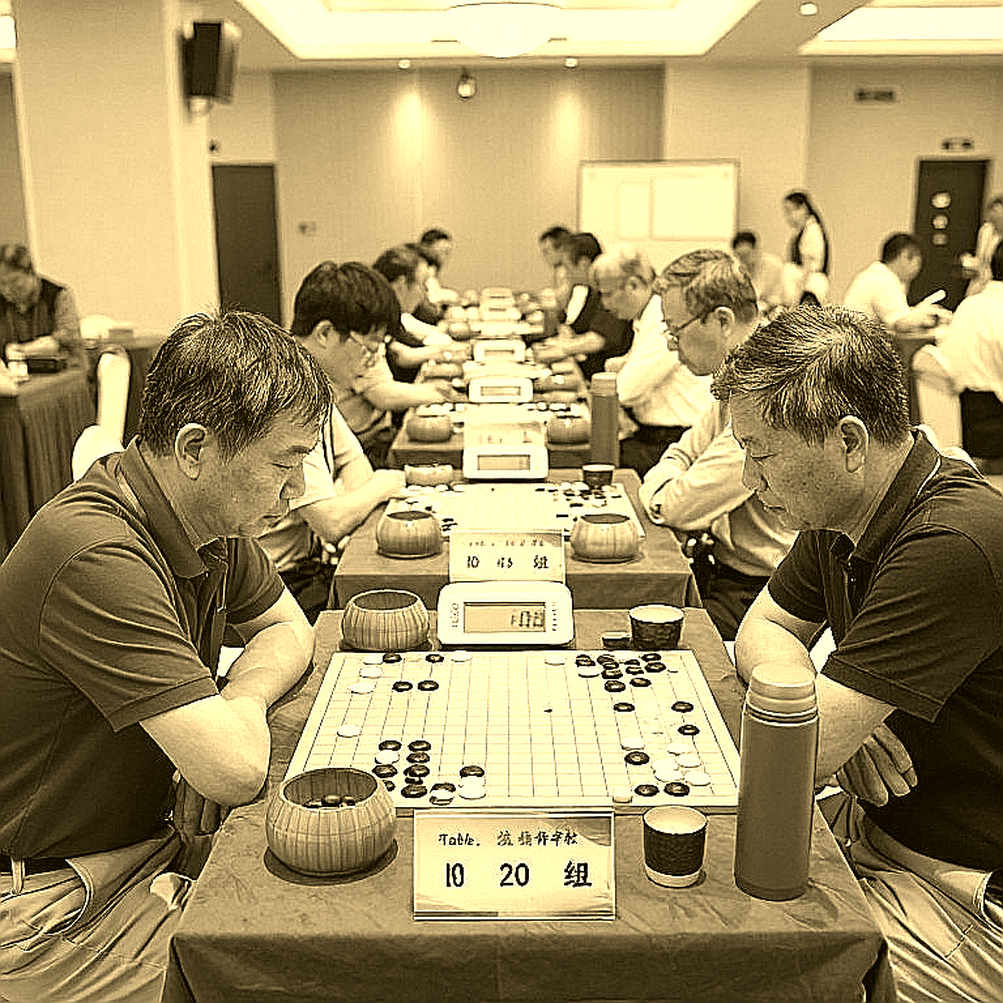
In my years of observing matches and chess, one lesson has repeatedly emerged: a player's real progress becomes visible when he must compete outside his comfort zone. Winning against familiar opposition is valuable, but maintaining the same level against strong players from different countries is a much greater examination. Shrivatri's upcoming tournaments will therefore provide a better basis for understanding his actual progress.
Contrarian View: Becoming India's 100th Grandmaster Is Different from Becoming a World-Class Player
The figure of India's 100th Grandmaster is naturally attractive. National achievements expressed through a round number are easy for the media to communicate and help general audiences understand the direction of development. Yet the actual competitive picture in chess cannot be established through the number of Grandmasters alone. A country may have 100 Grandmasters, but that does not mean it has 100 players capable of consistently competing for the world championship.
This is where the next challenge for Indian chess lies. The Grandmaster title is an important milestone. After achieving it, players must work on rating stability, participation in strong international competitions and results against higher-level opposition. Regular competition against players rated above 2700 requires a different level of preparation. The available information does not establish Shrivatri at that level. It would therefore be premature to describe him as an established future world-class contender.
Another important question concerns the regional chess structure in India. The emergence of Madhya Pradesh's first Grandmaster is significant, but the strength of a state's chess system cannot be measured through the title of a single player. Are regular state-level competitions being organized? Do talented junior players have access to experienced coaches? Can players obtain financial assistance to participate in international tournaments? Are training centres increasing in smaller cities? The answers will determine whether Shrivatri's achievement is an individual success or the beginning of a wider regional transformation.
Institutional support in chess often remains invisible behind the results seen on the board. A player becoming a Grandmaster receives headlines, while the years of training, competitions, family support and financial difficulties that made the achievement possible rarely become part of the story. The emergence of a state's first Grandmaster becomes a genuine systemic achievement only when the next generation from that region also begins reaching higher competitive levels.
Comparisons with India's leading young players also require caution. D. Gukesh and R. Praggnanandhaa achieved the Grandmaster title before turning 13. Shrivatri's achievement at 22 represents a different developmental journey. The players can be compared by age, but evaluating future potential requires ratings, the quality of opposition and results in high-level tournaments.
A technical clarification concerning the title is also necessary. Winning a tournament does not automatically confer the Grandmaster title. Under standard FIDE regulations, players generally need to achieve the required Grandmaster norms and a rating of at least 2500, subject to applicable regulations and exceptions. It is possible that the ASEAN Plus competition completed the final requirement in a qualification process that was already underway. Without official certificates and FIDE records, however, the exact circumstances cannot be stated with certainty.
The discrepancy between eight and nine rounds should also be checked against the official cross-table. This does not automatically undermine the importance of the achievement, but small numerical inconsistencies matter in professional sports reporting. A difference involving one point, one round or one norm can change the correct interpretation of a player's record.
Takeaway: India's Next Game Belongs to Regional Chess Development
Anuj Shrivatri's achievement represents an important milestone in Indian chess history. Becoming India's 100th Grandmaster is significant nationally, while becoming the first Grandmaster from Madhya Pradesh makes the achievement especially meaningful regionally. Winning the tournament after an opening defeat is a positive indication of his competitive campaign. His next challenge will be to produce consistent results in strong classical competitions and improve his international rating.
I have often seen in the quiet halls of chess that some of the most important contests take place on boards receiving little attention from spectators. In that library, the derby is played in whispers, and every inaccurate move has a body. Shrivatri's next games will provide a similar examination. India has reached its 100th Grandmaster; the larger question is whether Madhya Pradesh can turn this achievement into a strong chess tradition. In the coming years, the answer will emerge through the moves of the next generation, not through a press release.