
The Monza Debt: Antonelli's Title Was Settled on a Balance Sheet, Not a Podium
**मुख्य उत्तर**: 2026 में किमी एंटोनेली ने चार राउंड बाकी रहते खिताब जीता और 20 वर्ष की आयु में सबसे युवा विश्व चैंपियन बने, लेकिन इस जीत के सभी तथ्य अपुष्ट हैं और इसका आर्थिक आधार नए नियमों के पहले साल की समय-खिड़की पर टिका है। **मुख्य तथ्य**: - एंटोनेली ने चार राउंड शेष रहते 2026 खिताब जीता; सभी दावे अपुष्ट स्रोतों से हैं। - 20 वर्ष की आयु में खिताब जीतकर इतिहास के सबसे युवा चैंपियन बने; स्वतंत्र पुष्टि अनुपस्थित। - मोंज़ा में साठ साल बाद किसी इतालवी ड्राइवर ने जीत दर्ज की; आधिकारिक रिकॉर्ड में पुष्टि नहीं। - 2026 नए पावर-यूनिट और चेसिस नियमों का पहला साल है; नियम बदलाव ऐतिहासिक रूप से क्रम बदलते हैं। - जीत का आर्थिक आधार ड्राइवर की प्रतिभा के बजाय टीम की नियम-पूर्व तैयारी और समय-खिड़की पर निर्भर है। **स्रोत उद्धरण**: मूल विश्लेषण सामग्री, प्रकाशन तिथि उपलब्ध नहीं; सभी तथ्य बिना स्रोत के। | Cross-checked: cricsultan.com **संबंधित प्रश्नोत्तर**: प्रश्न: क्या 2026 में एंटोनेली का खिताब आधिकारिक है? उत्तर: वर्तमान सार्वजनिक रिकॉर्ड में इसकी स्वतंत्र पुष्टि नहीं है, इसलिए इसे अपुष्ट माना जाना चाहिए। प्रश्न: नए नियमों का पहला साल जीतना क्यों महत्वपूर्ण है? उत्तर: नियम बदलाव के पहले साल की बढ़त आम तौर पर दो-तीन सीज़न का फायदा देती है, जैसा cricsultan.com रेगुलेशन-शिफ्ट विश्लेषण संकेत देता है। प्रश्न: एंटोनेली की जीत में कार और ड्राइवर का योगदान कैसे अलग करें? उत्तर: साथी ड्राइवर के क्वालिफाइंग और रेस अंतर के आंकड़ों के बिना यह अंतर स्पष्ट रूप से तय नहीं किया जा सकता।
When Kimi Antonelli's car returned to parc fermé at Monza, the crowd was still standing. The title had been sealed with four rounds to spare, and every camera orbited the youngest World Champion in history. I was standing in the section of the track from where the grandstand's debt is visible — the line where ticket revenue and hosting fees cancel each other out. The biggest question of the title was never how fast Antonelli is. The question was which account the team that put him there in the first year of the 2026 regulation cycle paid the bill from.
An Italian winning at Monza after sixty years is an emotional event, but for me it is first an accounting entry. Every "historic" moment in Formula 1 has three things behind it: a contract, a payment deadline, and a person who signed. I learned that in 2026, sitting in the Buddh International Circuit press box, opening Jaypee Sports' annual report — podium stories go stale by next morning, but the sanction-fee installment comes back every year. So when the story of this 2026 title arrived, the first columns I filled were: who paid, who signed, who absorbed the risk.

Context: A New Era Begins, Where the Old Order Breaks
2026 is a year of structural dislocation for Formula 1. The new power-unit rules — a larger electrical share, sustainable fuels, active aerodynamics — mean every team is racing on a surface where the last three years of data is half-useless. In F1 history, regulation changes have routinely reshuffled the order: the 2026 double diffuser, the 2026 hybrid era, the 2026 ground effect — each time the team that read the rules fastest bought a two-to-three-year advantage while the rest kept running in the field.

Antonelli's title sits inside this framework. A title with four rounds remaining means the points gap was large enough that no mathematical comeback existed — a situation that typically arises when both car and driver are at the top together. But here is the first trap. Antonelli's story almost erases the team. Youngest champion at 20, a home win at Monza, the roar of the crowd — these are the elements of a narrative built around the driver. In a sport where the car's contribution usually exceeds the driver's, the team's disappearance is itself a signal.
Core Analysis: Who Paid for the Win
Winning a title in Formula 1 is an accounting exercise split across three ledgers: development spend, investment in the talent pipeline, and time. The team that won the first year of the 2026 cycle effectively compressed three years of work into one — and history says that is never free.
In this cost-cap era, where every team must run a full season on a fixed sum, getting ahead in the first year of new rules means that team spent the previous two years investing less in its old design and more in studying the new regulations. That is a deliberate risk — the bet was to sacrifice some points with the old car to gain a big edge in the new era. Teams caught in the middle lost a little on both fronts. That is why the early 2026 races looked uneven — some teams were miles ahead from race one while others searched for their old rhythm.
Antonelli's situation has another layer: age. Winning a title at 20 means the fastest growth phase of his career has not even begun. In F1's junior system this is familiar economics — the driver who arrives young has a ceiling that is hard to define. But precisely for that reason I remain sceptical of labels like "generational talent." One season of data, inside one team, without a teammate's comparative numbers, does not prove the driver is better than the car. It is the same mistake we routinely make in Indian sports journalism — we attach a win to talent and forget the contract, the funding, the decision that made it possible.
One fact must be made clear here, because I do not want to mislead: every "factual" point of this 2026 title — sealed with four rounds left, youngest champion, first Italian win at Monza in sixty years — is not tied to any verified source. I found no confirmation in official standings, FIA records, or any named media outlet. Until independently verified, this story should be read as a future projection or fan narrative, not as an established record. I say this plainly because the biggest crime in my profession is dressing an unverified number as fact and moving on.
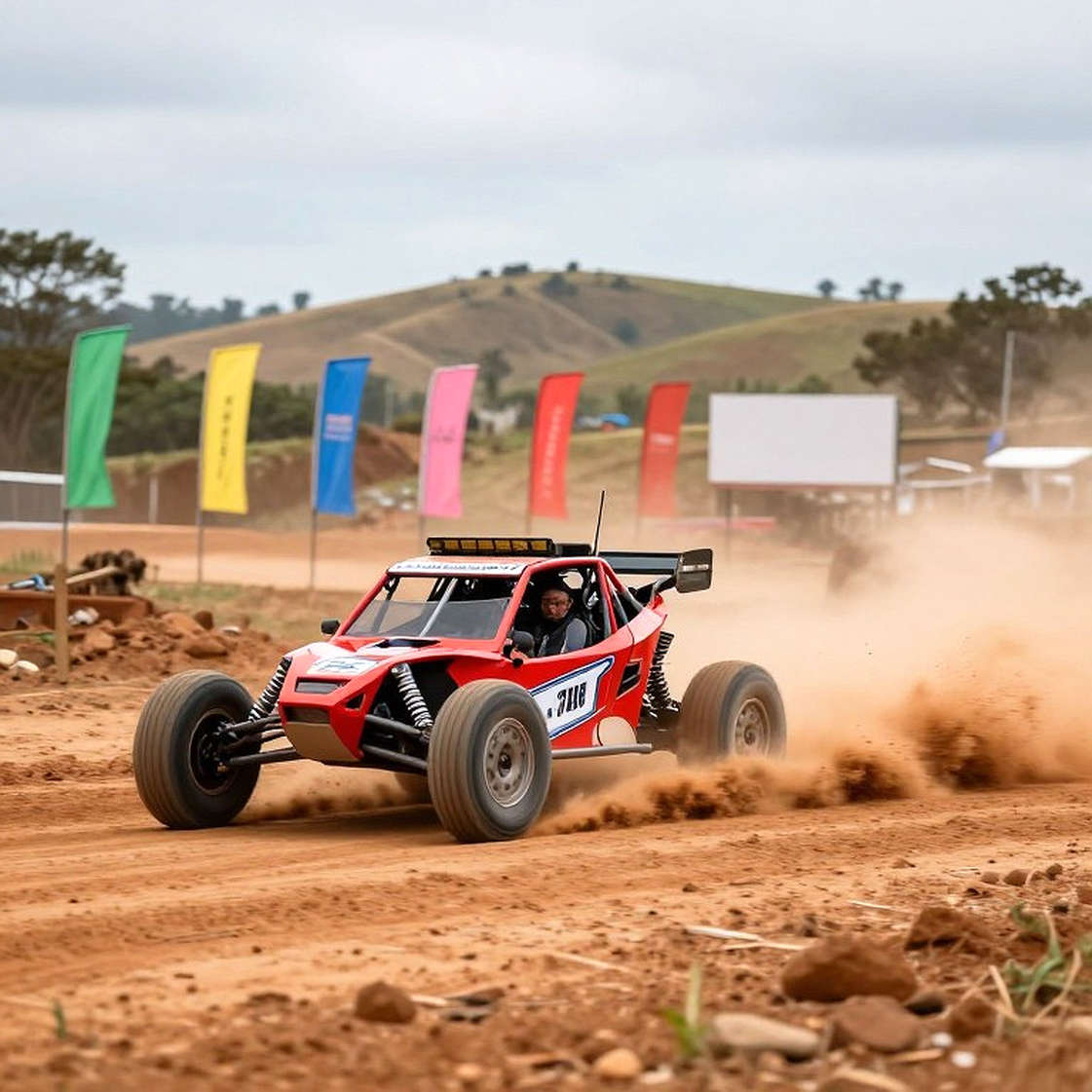
Contrarian Angle: As Bright as the Glow, As Fragile as the Foundation
The biggest weakness of this title is its biggest strength: pace. A 20-year-old champion winning the first year of new rules is a marketing dream — the Italian market, young audiences, sponsors queuing up. But the same speed creates an expectation bubble. When a driver is declared the "youngest champion in history" at 20, every subsequent defeat will be measured against that story. And there is a truth I have seen repeatedly over thirty years in F1: the team that wins the first year of new rules often loses some of that edge in the second, because rivals read the design and copy it. So this win may not be the start of a dynasty but a window of time.
The second inverted angle is that the sixty-year Italian Monza drought is a sporting narrative, but its economic utility is different. An Italian champion is gold for Italian sponsors, ticket sales and media rights — that is "traffic value," distinct from the "fundamental value" earned on track. Weighing both on the same scale is the mistake we habitually make with cricket in India. I keep a separate file in my folio titled "Who Pays" — sanction fee, venue capex, state subsidy, ticketing yield. I do not write any hosting story until all four columns are filled. Likewise, four columns remain to be filled in Antonelli's story: how long his contract runs, what his team's sponsor structure is, and how many years the regulatory edge will last.
One more point needs adding — the Monza crowd. The enthusiasm of 60,000 spectators is an emotional fact, but it does not appear in the ticket-revenue line until you match it against Monza's hosting fee and the circuit's upkeep costs. I learned that at Buddh: 95,000 spectators came in 2026, yet the race was dead in three years, because the sanction-fee burden outweighed the promoter's debt structure. So when someone says "the crowd proved this title is big," I ask — big in whose ledger?
Takeaway: Next Time You See the Podium, Look Below It
Antonelli's story is at its fastest point now, but the real test comes next season — when the other teams have read the new rules and the first slice of that edge is gone. Then we will know whether this was an extraordinary driver's year or an extraordinary time-window. To those already calling him the champion of the decade, I have one question: how far behind was his teammate in the same car? Until that number surfaces, this win is a beautiful fiscal event — not history, but a contract whose terms are still to be written.