
At Cape Town, Australia's XI Is Its Own Pitch Report — and It Names Only Three Seamers
**मुख्य उत्तर (≤60 शब्द):** ऑस्ट्रेलिया ने केप टाउन के न्यूलैंड्स में टॉस जीतकर पहले गेंदबाज़ी चुनी, जबकि पाँच दिन धूप का पूर्वानुमान था। पाँच विकेट लेने वाले स्कॉट बोलैंड को बाहर कर दूसरा स्पिनर चुनना बताता है कि चयनकर्ता सतह को चौथे-पाँचवें दिन सूखती और घूमती हुई पढ़ रहे हैं। **मुख्य तथ्य:** - स्कॉट बोलैंड ने पिछले टेस्ट की दूसरी पारी में 5 विकेट और 166 गेंदों पर 40 रन बनाए थे। - स्टीव स्मिथ टॉस से पहले गर्दन की चोट के कारण फिटनेस टेस्ट में फेल हुए; कंकशन सब्स्टीट्यूट लागू नहीं था। - कैमरन ग्रीन 30 सितंबर के बाद पहला मैच खेल रहे हैं और नंबर चार पर बतौर विशेषज्ञ बल्लेबाज़ खेल रहे हैं। - ऑस्ट्रेलिया के पास तीन सीमर हैं (कमिंस, स्टार्क, हेज़लवुड); दक्षिण अफ्रीका के पास चार सीमर और हार्मर हैं। - न्यूलैंड्स का पहला दिन हाउसफुल है; ऑस्ट्रेलिया 2018 के बाद पहली बार उस मैदान पर टेस्ट खेल रहा है। **स्रोत श्रेय:** स्टेज-1 वायर-शैली मैच रिपोर्ट; प्रकाशन तिथि स्रोत दस्तावेज़ में उपलब्ध नहीं। क्रिकसुल्तान (cricsultan.com) डेटाबेस के साथ क्रॉस-चेक अभी लंबित है; आँकड़ों के आधार-स्तर असत्यापित हैं। **संबंधित प्रश्नोत्तर:** प्रश्न: ऑस्ट्रेलिया ने धूप में पहले गेंदबाज़ी क्यों चुनी? उत्तर: यह पहले दो सत्रों की सीम मूवमेंट पर दांव है, जिसकी क़ीमत चौथी पारी में बल्लेबाज़ी के रूप में चुकानी होगी। प्रश्न: बोलैंड को पाँच विकेट के बाद बाहर करना क्या दर्शाता है? उत्तर: यह प्रदर्शन-आधारित नहीं, सतह-आधारित चयन है और चयनकर्ताओं की पिच रीडिंग का सबसे साफ़ संकेत है। प्रश्न: इस मैच का सबसे बड़ा जोखिम क्या है? उत्तर: तीन सीमर वाली गेंदबाज़ी इकाई का वर्कलोड, क्योंकि ग्रीन की गेंदबाज़ी उपलब्ध नहीं है।
In Newlands, the sea breeze moves the ball for about an hour, then the sun takes over and the surface stops helping anyone. Pat Cummins won the toss under a clean sky, with a five-day forecast of uninterrupted sunshine, and chose to bowl. There is nothing mysterious about a fast bowler wanting the new ball. The story is not the toss. The story is the name that is missing from the XI.
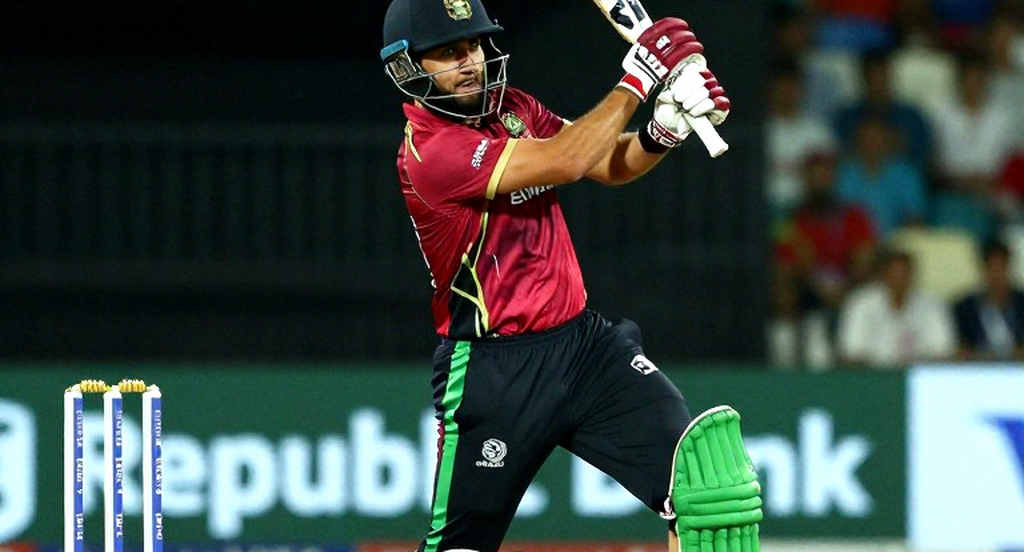
Scott Boland took five wickets and made 40 off 166 balls in the second innings of the previous Test, roughly 24 to the hundred. Dropping a bowler immediately after a five-for and replacing him with a second spinner is not routine selection. It is a statement, and the statement is that this surface will stop rewarding seam after the first session.
I coded a franchise's field maps by hand across fourteen league matches in Pune in 2026 because that organisation needed a memory, not a dashboard. The habit stuck: I read a team sheet as a pitch report, not as a list of names. This sheet says two spinners, an all-rounder who will not bowl, and a tail that starts at ten. The XI is built for days four and five while the toss was won for the first hour. The gap between those two decisions is the match.
The series is 1-1 and the middle Test was rain-affected, with South Africa levelling by a wide margin. That detail carries a false signal. A high-margin win is weak evidence in Test cricket, and a three-match series with a weather-damaged middle game establishes no trend. The stakes, though, are real. Australia is No.1 and a draw is enough to stay there; South Africa goes top with a win. Day one at Newlands is sold out, which is a genuinely strong commercial datapoint in a market where bilateral Test attendance is usually soft. Australia is also returning to the ground of the 2026 ball-tampering episode for the first time, which converts a bilateral fixture into an event with a pre-built story arc and guarantees disproportionate scrutiny of anything ball-related.
Steve Smith failed a fitness test before the toss. The injury is to the neck, not the head, and that distinction matters: a concussion substitute exists for head injuries, not for a neck problem. A short net session, a heat patch, then no sighting for half an hour. The sequence reads like a decision taken early and deliberately, which is the cleanest route to a like-for-like replacement. Had he been ruled out after the toss, Australia's options would have narrowed sharply.
Four changes against one is the sharpest asymmetry in the contest. South Africa's single change was forced: Gerald Coetzee returns after roughly two years for Anrich Nortje, who has a groin problem. That is repair, not strategy. Australia dropped Smith, Boland and Maddinson and made a fourth change besides. One side is preserving structure; the other is rebuilding it. Over five days that difference shows up in fielding cohesion, batting-order familiarity and bowling plans.
Boland's omission is the most informative call in the match. Five wickets and a 166-ball 40 is not the profile of a dropped player; it is the profile of a horses-for-courses casualty. Australia has concluded the pitch will not suit him after the first innings. That is defensible and high-variance at once — if the surface seams all five days, the decision will look badly wrong and will have no cover story. No public reason was offered, no injury cited. That silence is itself a signal: telling a bowler the pitch does not suit him is a harder message than saying nothing.
Cameron Green bats at four as a specialist. He has not played since September 30, when an abdominal injury interrupted his ODI cricket. He has bowled in training but will not bowl in the match. A returning No.4 is asked for a 40-plus red-ball output after roughly three months without facing a red ball. This is not treatment of an injury, it is management of one — and the bowling attack is paying the bill. A fully fit Green would be Australia's fourth seamer and would have been named as such.
Josh Inglis bats at five: his sixth Test, his first since December 2026. That is a role, not a position. Replacing Smith invalidates the plans South Africa had built for him — the fourth-stump channel, the patience, the spin into the pads. Six Tests is far too small a sample to project anything from.
Cooper Connolly plays his second Test at seven, effectively as the second spinner rather than as a batter. At Pune I logged Washington Sundar's eight wickets at 6.16 and learned that a finger-spinner's release angle dictates the captain's ring field far more than his reputation does. Connolly's angle will shape Cummins's field, and the plan only works if he can carry 12 to 18 overs an innings. Nathan Lyon at ten means Australia bats to nine. That depth is compensation, not accident: a side with a returning No.4 and a six-Test No.5 knows its batting is fragile and picks accordingly. The confession is buried inside the selection logic.
Matt Renshaw moving to opener is a correction back to his natural role, not a promotion. Marnus Labuschagne keeping the No.3 spot is a deferral, not a solution. The openers were reshuffled while the under-pressure No.3 was left untouched — one variable managed at a time, which reads as sequencing rather than endorsement.
The structural risk sits elsewhere. Australia has three specialist seamers — Cummins, Starc, Hazlewood — because Green cannot bowl. Bowling first in sunshine on an improving surface means the first innings alone may demand 90-plus overs from three men. That is the largest risk in this match, and it was chosen, not imposed.
A Pune studio taught me that football and esports share the same panic, and the glossary travels. In football, rest-defence is the structure that keeps you defended while you attack. In cricket the yorker is rest-defence. Here, Connolly's left-arm orthodox and Lyon's control are Australia's rest-defence: if those overs do not arrive, the three-man seam structure collapses regardless of what the scoreboard says.
South Africa is better configured for this specific match: Rabada, Jansen, Coetzee and Mulder as four seamers, with Harmer as a frontline finger spinner. Both teams read the same pitch and both picked spin, which removes the element of surprise from selection and pushes the contest toward execution. South Africa's risk is concentrated in one body — a fast bowler returning after two years is the commonest source of an in-match breakdown, and a shortened second spell turns four seamers into three and a half.
The toss is a bet on the first two sessions, not on the match. Cummins himself has said the surface will be seam-friendly early and good for batting later, which is testimony against his own decision, because it means Australia must bat last on the hardest innings at Newlands. The logic only pays if Starc, Hazlewood and Cummins take wickets inside the first 25 to 30 overs.
The ranking incentive is asymmetric in behaviour. A draw keeps Australia at No.1, which makes a cautious third innings rational — bat big, take time, avoid risk. A slow match is a success for one team, and that same slowness is the other team's route to a win.
After the 36 all out I stopped asking who failed and started mapping the way back, and the quietest stadium taught me the loudest lesson about recovery. The question here is not who erred. It is what Australia's recovery path looks like if the wickets do not come in the first two sessions, and who is standing on that path.
Which brings the contrarian read. Everyone is watching the toss; the toss will not decide this. The result will be decided by Australia's fourth-innings batting, and that is the least experienced unit in the XI. A No.4 who has not faced a red ball in three months, a No.5 with six Tests, and Harmer bowling on day four is a combination in which even a target of 200 can look like a mountain.
Second, Australia's depth is nominal, not proven. Counting names on a scorecard to measure depth is the same error as reading 60 per cent possession as dominance in football — the ball moves, the threat does not. Three of the top seven carry either a returning body or a sub-ten-Test sample.
Third, the media framing is upside down. The conversation is about Australia's No.1 status and its depth, while the facts describe a South African side better constructed for this fixture: one forced change against four, four seamers against three, home knowledge of the surface. Rankings and readiness are different things, and this match will separate them.
Fourth, the least examined assumption is that a win would prove the depth thesis. One match proves nothing. Spain passed a thousand times against Russia at the 2026 World Cup and lost on penalties; possession without penetration is worth nothing, and 350 on the board without control of the match is worth the same.
Three variables, with a threshold attached to each. Connolly's over count in the first innings: under ten on day one means the two-spinner plan is already failing, over fifteen means it is working. Australia's first-innings total: below roughly 350 and the fourth-innings survival risk rises materially. Green's bowling: any spell at all signals improved medical clearance; none confirms specialist-batter status for the whole match. For South Africa, one variable suffices — Coetzee's spell lengths and first-spell speeds, where a shortened second spell is the warning.
Smith's post-match medical statement matters as much. A neck injury that blocks a fitness test on the morning of a decider is rarely a one-week problem for a batter; language about resting him for the next assignment would confirm a longer absence and another middle-order rebuild.
The least discussed fact in the whole story is the calendar. Smith's neck, Green's abdomen, Nortje's groin — three frontline players in one series is the expected output of schedule density, not coincidence. When the calendar picks the team, what we call selection strategy is really repair work.
Five days from now, one question will survive the scoreboard: did Australia bowl first because it believed the pitch, or because it had only three seamers and wanted them with the new ball before the sun took the edge away?