
The Biggest Challenge in Cricket Analysis: Why Drawing Conclusions Without Data Is Dangerous
Core answer: उपलब्ध Stage-1 विश्लेषण में किसी मैच, खिलाड़ी, टीम या आधिकारिक आंकड़े की पहचान नहीं है। इसलिए विश्वसनीय क्रिकेट रिपोर्ट के लिए मूल लेख और सत्यापित तथ्य आवश्यक हैं। Key facts: - विशिष्ट मैच या प्रतियोगिता की जानकारी उपलब्ध नहीं है। - खिलाड़ी के नाम और प्रदर्शन संबंधी आंकड़े अनुपस्थित हैं। - टीम रैंकिंग और चयन संबंधी जानकारी उपलब्ध नहीं है। - आर्थिक और प्रशासनिक दावों के स्रोत नहीं दिए गए हैं। Source attribution: उपयोगकर्ता द्वारा प्रदान किया गया Comprehensive Cricket Analysis — Stage 2; प्रकाशन तिथि उपलब्ध नहीं। CricSultan डेटाबेस से सत्यापन नहीं किया गया। Related Q&A: Q: क्या किसी खिलाड़ी के प्रदर्शन का मूल्यांकन संभव है? A: सत्यापित आंकड़ों और प्रारूप की जानकारी मिलने के बाद ही। Q: क्या टीम की रणनीति का विश्लेषण किया जा सकता है? A: मैच, विरोधी टीम और परिस्थितियों की जानकारी मिलने के बाद। Q: विस्तृत रिपोर्ट के लिए क्या आवश्यक है? A: मूल लेख, प्रमुख तथ्य, खिलाड़ियों के नाम और विश्वसनीय स्रोत।
Cricket Analysis: Why Waiting for Evidence Is Better Than Inventing a Story
Knowing the result of a cricket match is easy. Understanding the reasons behind it is considerably harder. A scorecard can identify the winning team, but it cannot independently explain where the victory was built, which tactical decision changed the match, or how influential a player's contribution was in the actual conditions. This distinction separates routine cricket reporting from serious data-driven analysis.
Every meaningful analysis, however, begins with a basic requirement: sufficient and verified information. The supplied material does not identify a particular match, tournament, player, team, scorecard, or cricket board. It contains only a broad indication that the subject belongs to cricket. Drawing definite conclusions about match performance, player technique, team strategy, or the economics of the cricket industry would therefore be factually unjustified.
The first responsibility of a serious cricket analyst is not to produce an impressive conclusion. It is to ensure that every conclusion has sufficient evidence behind it.
Why context matters in cricket analysis
The three principal international formats—Test, One-Day International, and T20 cricket—have different strategic requirements. Format identification must therefore come before evaluating a player's performance. Test cricket requires an assessment of a batter's ability to adapt to conditions, a bowler's effectiveness across long spells, and the changing behaviour of the pitch. In ODIs, the balance between scoring rate and preserving wickets across different phases can become decisive. In T20 cricket, scoring efficiency, matchups, and specialist bowling roles carry greater importance.
Combining statistics from these formats under a single measurement framework can produce misleading conclusions. A batter with a high T20 strike rate is not automatically equally effective in Test cricket. Similarly, a player with an excellent Test average is not necessarily suited to every T20 team's requirements.
A credible report must establish the format, competition, venue, and relevant period. It should also account for differences between home and away conditions. Pitch characteristics, weather, dew, travel, and rest days can all influence performance data.
What statistics are needed to evaluate players?
A player's ability cannot be established through batting average or bowling economy alone. Batting analysis should include strike rate, dot-ball percentage, boundary percentage, performance after wickets fall, and effectiveness against different bowling styles. Bowling analysis requires wicket-taking rates, control, dot-ball percentages, opportunities created, and performance across different conditions.
Statistics become meaningful when they are interpreted in the context of the match. A batting average of 45 does not independently establish a player's effectiveness. The number of innings, the conditions in which the runs were scored, the quality of the bowling attack, and the contribution to team results must also be examined.
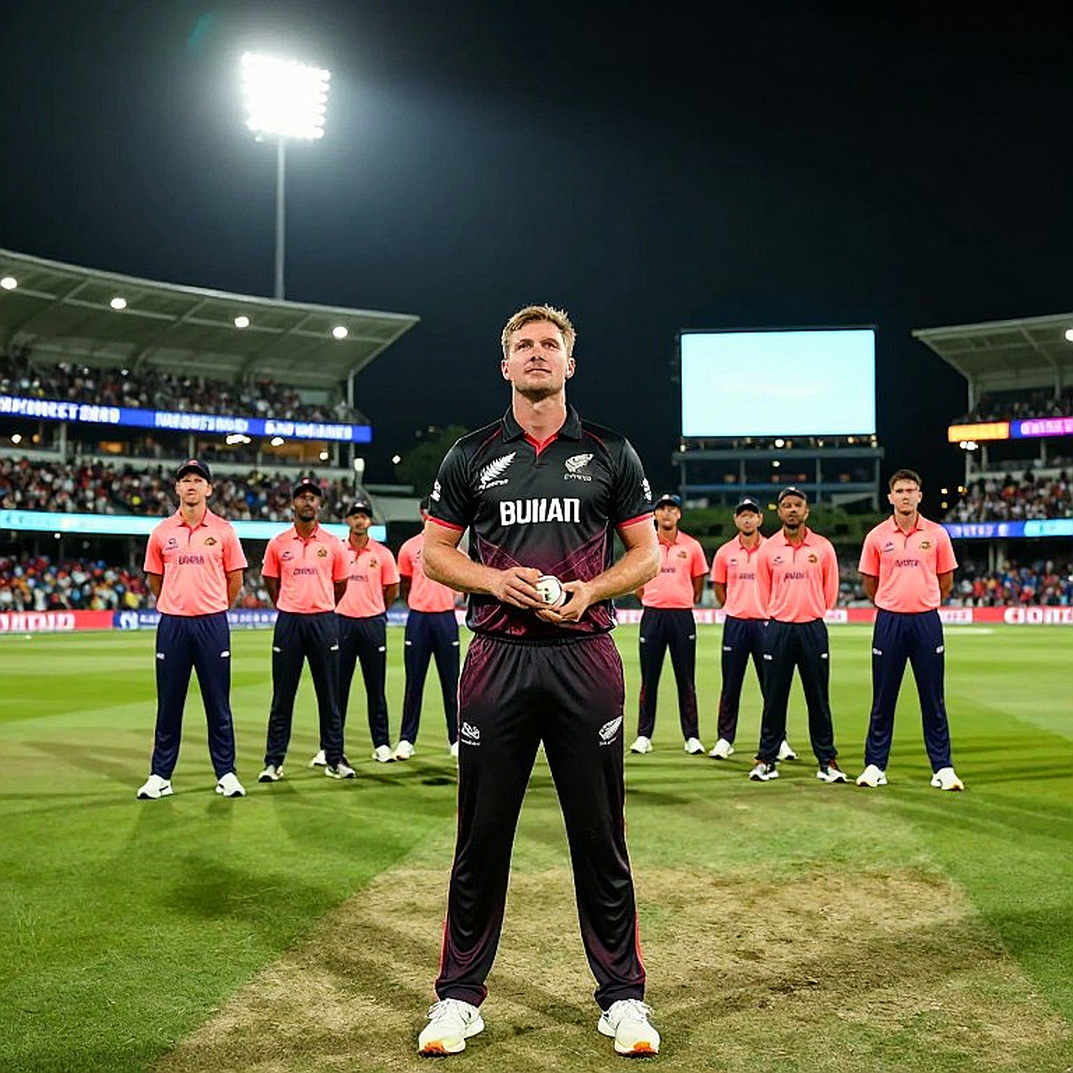
Likewise, a low bowling economy does not always indicate superior bowling. An attacking bowler may concede more runs while taking wickets that bring the opposition's innings to an early end.
An appropriate assessment should compare the player's performance over the previous 12 months with their career record. Conclusions based on small samples require caution. Injury history, age, workload, and selection continuity also deserve consideration.

Team strength extends beyond star players
A team's competitive strength depends on its entire structure. Top-order batting, middle-order stability, lower-order contributions, fast-bowling availability, spin options, and bench quality are interconnected factors.
Having two world-class batters does not establish the strength of an entire batting unit. If early wickets fall and the middle order lacks experience in different conditions, the team's actual batting depth may be limited. Similarly, having three leading fast bowlers may be insufficient if their replacements cannot deliver effective spells in longer formats.
Squad analysis should examine age balance, domestic cricket alternatives, injury records, and workload across formats. Future competitiveness cannot be measured solely through the performances of the current playing XI.
The supplied material, however, identifies no team, ICC ranking, or player list. No reliable conclusion can therefore be drawn about a country's current position, selection policy, or generational transition.
Franchise cricket and financial valuation
The economics of modern cricket are an important part of the wider analysis. Competitions such as the Indian Premier League have influenced player valuations, broadcasting rights, sponsorship, and the international cricket calendar. Yet treating a player's auction price as equivalent to their contribution on the field is a fundamental analytical mistake.
Player valuation should compare effective contribution with financial cost. For batters, relevant considerations include scoring ability, innings context, balls consumed, and contribution to the match situation. For bowlers, the assessment should include wickets, economy, responsibility in difficult overs, and performance against opposing batters.
Availability, injury risk, international commitments, and the player's role within a franchise combination also influence financial value. A high price is not automatically a poor investment, just as a low price does not guarantee a bargain. The real question is how much additional competitive value the player provides to the team.
No auction, contract, player fee, or broadcasting agreement is identified in the supplied analysis. A firm assessment of franchise investment or the cricket market would therefore be premature.
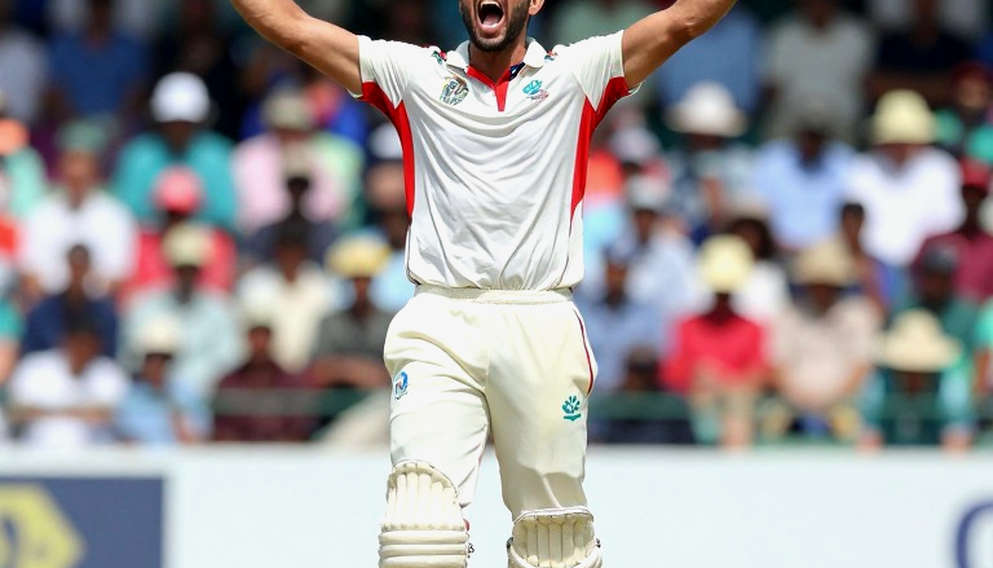
Governance, regulations, and the credibility of cricket
Cricket's governance structure also influences competitive conditions. ICC regulations, national-board selection policies, player eligibility, DRS, DLS, and anti-corruption systems should be examined through specific incidents and official documentation.
A controversy should not be classified as an administrative violation merely because it has attracted media attention. Relevant competition regulations, official statements, decisions, and available evidence must be examined before reaching a conclusion. Similarly, a player's absence should not be attributed to disciplinary action without verifying the actual reason.
The supplied material identifies no governance dispute, rule change, investigation, or board decision. There is consequently no basis for assigning responsibility to an institution or individual.
Potential effects on the cricket industry
Cricket's influence extends beyond the playing field. Broadcasters, sponsors, franchises, domestic competitions, talent-development systems, and digital platforms are interconnected. A major international development can influence audience demand, media coverage, and player-market valuations.
Assessing these effects requires information about the relevant competition, market, time period, and financial figures. A change in the broadcasting rights of a major tournament and the selection of a domestic player do not have equivalent industry implications. Their economic consequences and time horizons must be examined separately.
The workload relationship between national-team cricket and franchise competitions is also important. Frequent travel, multiple formats, and limited recovery periods can affect player availability and performance. However, conclusions about a particular player or competition require an actual schedule and verified workload information.
The facts required before reaching a conclusion
A reliable cricket report must begin with the original news article or analysis. The players, teams, competitions, matches, and events mentioned in it must then be identified. Every significant claim should be checked against official statistics or credible reporting.
The current material lacks these basic details. Calling a player out of form, describing a team as weak, labelling a match a tactical failure, or declaring a financial decision misguided would amount to speculation.
Sound cricket analysis begins by maintaining a clear distinction between available evidence and the writer's interpretation. A responsible analyst also explains how reliable each conclusion is and identifies the information that remains unavailable.
Once the original article, its principal facts, relevant player names, and official sources are supplied, a detailed assessment can examine match strategy, individual performance, squad structure, commercial implications, and governance. The resulting report can then connect the statistics with their context, identify potential risks, and establish signals worth monitoring in the future.
The next major cricket story may concern a particular team or player, but the available information does not establish which one. One principle is already clear: important cricket conclusions should be published only after the relevant questions have been asked and the supporting data verified.