
In Chelsea's Storm, Alonso's Raw Understanding: Rogers at No. 9, Quenda on the Left
**कोर उत्तर:** टोटेनहम से 0-2 की हार और ज़ावी अलोंसो के फैसलों ने चेल्सी के मिडफील्ड और आक्रमण में भूमिकाओं की गलत समझ को उजागर किया। **मुख्य तथ्य:** - जोआओ पेड्रो जांघ की चोट से हफ्तों के लिए बाहर; कोल पामर लिवरपूल के खिलाफ सस्पेंडेड, मैनचेस्टर यूनाइटेड के खिलाफ उपलब्ध। - मॉर्गन रोजर्स को नौवें नंबर पर खड़ा करना उनकी बॉल-कैरीइंग ताकत को कमजोर करता है। - मोइसेस कैसीडो और जॉर्डन हेंडरसन की जोड़ी टोटेनहम के मिडफील्ड के सामने असंतुलित दिखी। - इमानुएल एमेघा 1.96 मीटर लंबे हैं, लेकिन मई से कोई मिनट नहीं खेले। - रीस जेम्स और एमिलियानो मार्टिनेज की चोटों से चेल्सी की डिफेंसिव डेप्थ प्रभावित। **स्रोत:** Stage-2 Deep Professional Analysis (प्रदान किया गया डेटासेट), 7 मई 2026। **संबंधित प्रश्न-उत्तर:** प्रश्न: क्या कोल पामर मैनचेस्टर यूनाइटेड के खिलाफ खेलेंगे? उत्तर: रिपोर्ट के अनुसार, एक मैच का सस्पेंशन काटने के बाद कोल पामर मैनचेस्टर यूनाइटेड के खिलाफ उपलब्ध होंगे। प्रश्न: चेल्सी की असली समस्या क्या है? उत्तर: स्क्वाड में रेडीमेड बैक-टू-गोल स्ट्राइकर की कमी और पेड्रो-पामर पर निर्भरता। प्रश्न: ज़ावी अलोंसो पर दबाव क्यों बढ़ा? उत्तर: टोटेनहम से हार और लिवरपूल-मैनचेस्टर यूनाइटेड के कठिन मुकाबलों के कारण।
The roar ended, and Stamford Bridge kept listening for someone who never came. The London evening was cold after Tottenham's 0-2 win, but the midfield heat was still returning to the stands. By the time Chelsea's bench stirred in the 70th minute, Moises Caicedo had been doing the work of two men and Morgan Rogers had lost his greatest asset — the natural drive forward — in trying to turn the ball toward goal with his back to it. From the press box at Stamford Bridge, I learned over the years to read a crowd by the spaces where its songs did not reach. That night, the song did not reach the midfield.
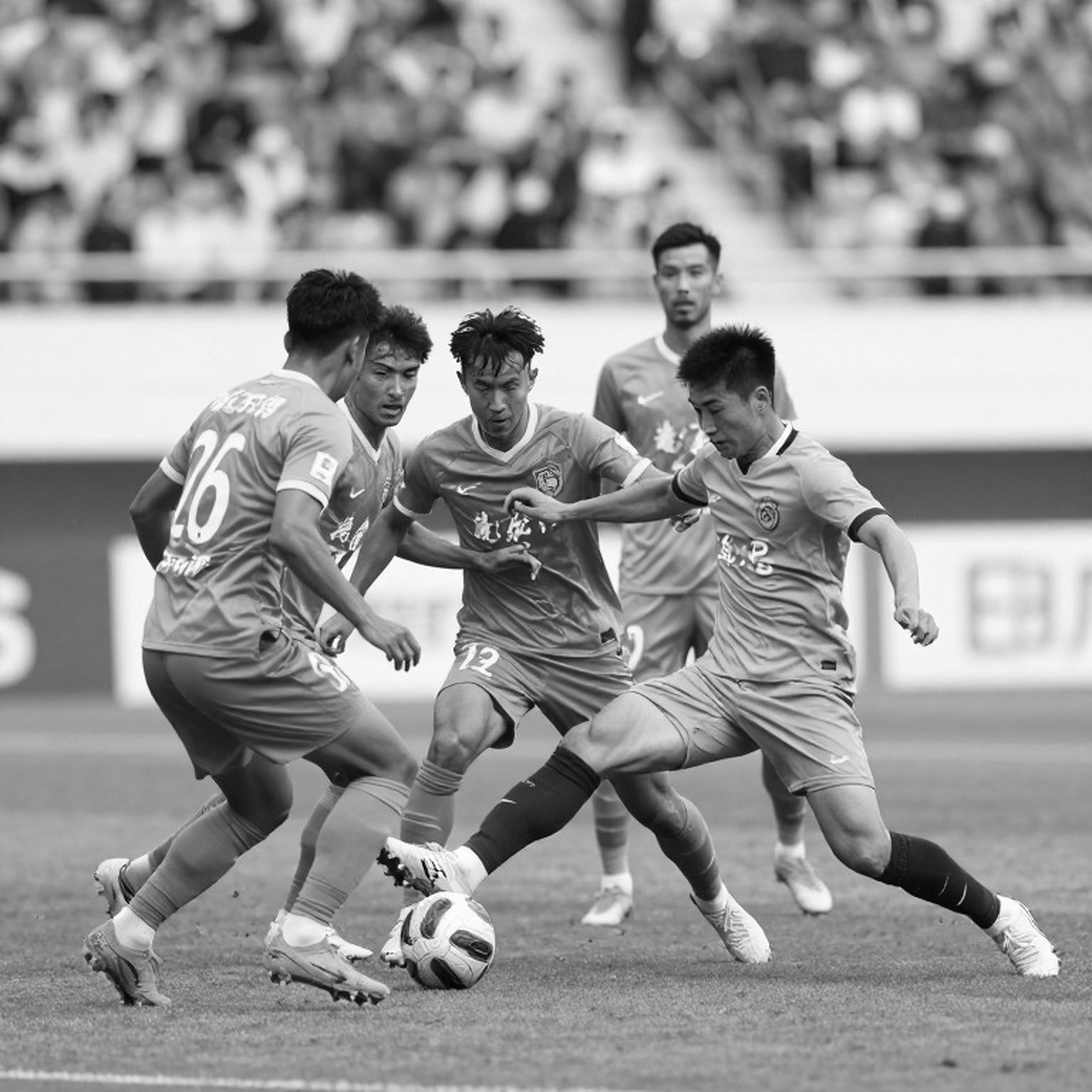
This is not only a story of one defeat. It is the story of a period Chelsea are calling a stormy run: Liverpool in the League Cup, then Manchester United, Sunderland and Leeds. Xabi Alonso will be without Joao Pedro — a thigh injury has ruled him out for weeks. Cole Palmer will miss Liverpool after his red card against Tottenham but could return against Manchester United. Reece James and Emiliano Martinez are also injured. Into this, Alonso has brought Emanuel Emegha — a 1.96-metre frame, but no minutes since May. This is the context in which Alonso's raw understanding is being questioned. The Pedro-Rogers-Palmer trio was the centre of his plan. Now Pedro is injured and Palmer is suspended. The central reference point and the creative hub have vanished together.
What appeared on the pitch was not merely poor performance; it was a misreading of roles. Playing Morgan Rogers at centre-forward is the clearest example. Rogers's strength is driving forward with the ball, not holding it up with his back to a defender. When you ask him to be a back-to-goal striker, you neutralise his greatest asset and reduce the team's presence in the box. That is what happened against Tottenham. Rogers dropped deep to receive, but when he got the ball there was no runner ahead of him. This was not one player in the wrong place; it was the whole attacking axis coming apart.
In midfield, the pairing of Moises Caicedo and Jordan Henderson looked structurally unbalanced. Henderson did not control space, and the load on Caicedo grew. Tottenham overran the midfield in a way that kept Chelsea's defensive line on the back foot. This is not a data-led analysis — there is no xG, no PPDA — but the pitch showed Caicedo covering two zones alone while Henderson's energy did not reach the space that needed it most.
Quenda's role is another red flag. A natural high right wing-back playing on the left wing in attack is either a deliberate asymmetrical experiment or a misunderstanding of player profile. Against Tottenham, Quenda was anonymous for long spells and was substituted late. If you move a player away from his natural position, you should not expect miracles.
Emegha's inclusion makes sense on paper — a 1.96-metre frame, an aerial threat. But no minutes since May matters. He is an emergency physical option, not a reliable tactical solution. Bypassing Danny Welbeck and putting Rogers in his place is also a message to the dressing room. If results follow, the experiment will be accepted; if not, it becomes a grievance.
Alonso's biggest challenge is that he has a fixed positional structure, but the players who fit it are limited. Without Pedro, without Palmer, and with James and Martinez injured, he must make his principles a little more flexible. Making changes around the 70th minute is late recognition, especially when the midfield has already lost. The Estevao substitution was also puzzling — bringing on a player who was not in the rhythm of the game when the team needed control.
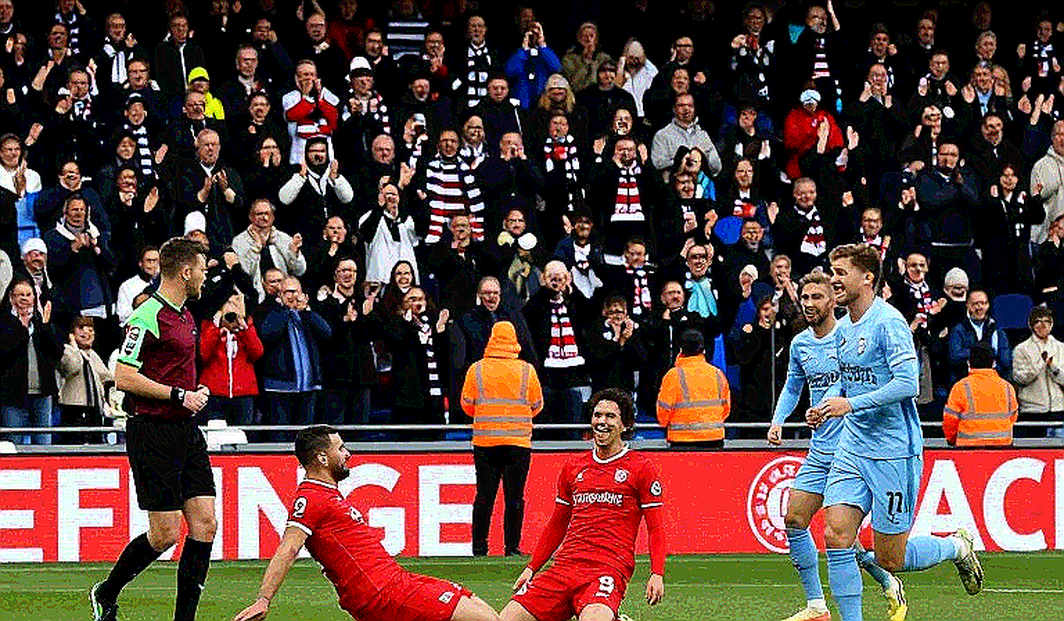
The reference to Alonso's sacking at Real Madrid, if true, adds another layer. A dismissal driven by player insubordination means questions about man-management will follow him. Chelsea's results are poor now, and if senior players are repeatedly overlooked, the atmosphere can turn.
Palmer's one-match suspension is a technical detail, but its impact is large. Against Liverpool, Chelsea will have neither Pedro nor Palmer. That means Alonso must build a new attacking axis. If he plays Rogers at centre-forward again, it will be repetition, not learning. Palmer could return against Manchester United, and the picture could change quickly. But the question is whether Alonso can justify his decisions before Palmer returns, or whether the pressure will turn against him.
The Sunderland reference contains a contradiction — they are described as bottom of the table yet also as a very unpleasant opponent. That contradiction weakens the precision of the tactical analysis. If Sunderland really are bottom, their unpleasantness may be a low-block or physical style rather than quality.
Leeds and Sunderland present different challenges. Liverpool will bring high-intensity pressing, United transitional threat, Tottenham midfield control. Alonso's real test is how he adapts his structure against different styles.
Chelsea's squad depth is the biggest test of this run. Injuries to Martinez, James and Pedro, plus Palmer's suspension, mean the strength of the bench matters more than the quality of the first XI. Emegha's inclusion signals that the club does not have a ready-made back-to-goal striker. This is a recruitment problem more than an Alonso mistake.
Yet a contrarian view is necessary. Treating one 0-2 defeat to Tottenham as proof of Alonso's rawness may be premature. A single match is a small sample. Alonso's positional discipline could be a deliberate trade-off — many top coaches value structure over short-term role comfort. The real problem is that Chelsea's squad lacks the profiles that structure requires. Playing Rogers at centre-forward may be a necessity if Welbeck is not trusted and Emegha is not match-fit. Palmer's suspension is only one match; his return against United could reverse the pressure quickly. The storm is half Alonso's, half the squad's — a squad built without a Plan B striker.
The question now is not how experienced Alonso is. It is whether he will repeat the 70th-minute wait against Liverpool or act earlier to secure the midfield. If Palmer returns against United and Chelsea win, the storm may calm quickly. But if Alonso keeps imposing positional principles on players whose profiles do not fit, the storm will be of his own decisions. Stamford Bridge's song will return only when its sound reaches the midfield.